





Old English Silver Serving Spoons
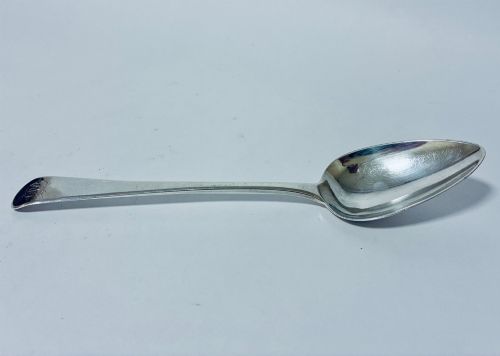
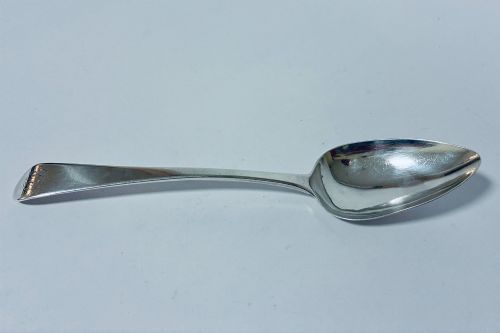
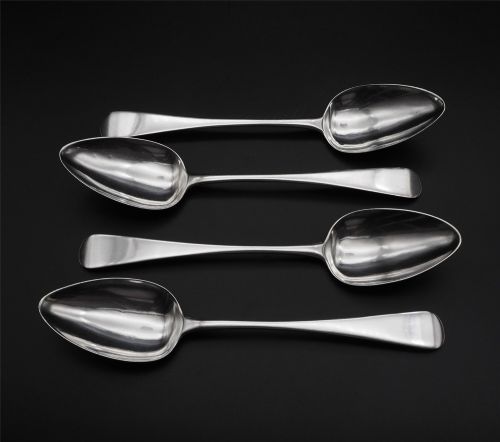
Old english silver serving spoons are substantial pieces of functional dining flatware that bring enduring Georgian character to any table.
Old English Silver Serving Spoons
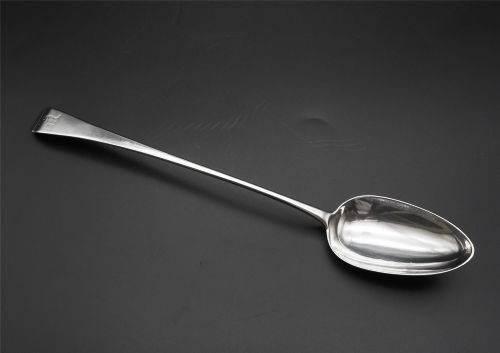
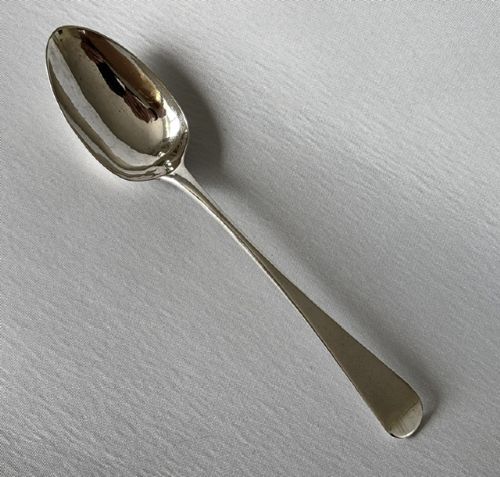
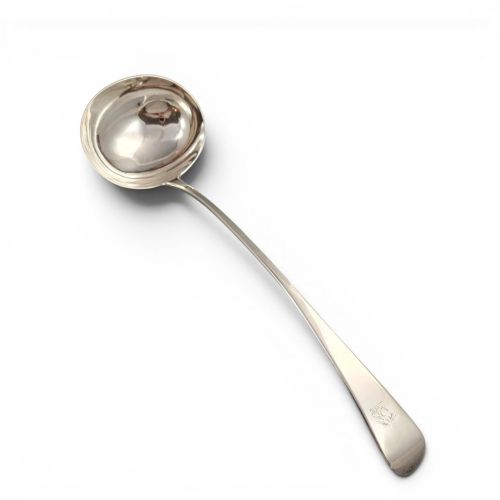
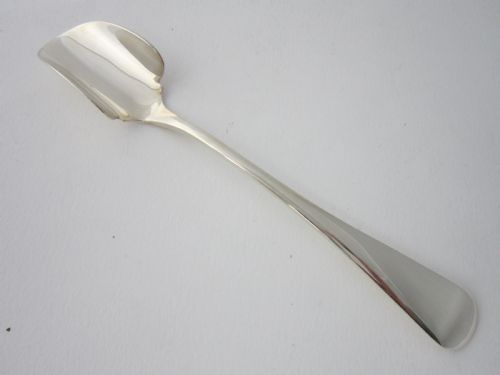
When you search for old english silver serving spoons, you encounter a specialised category of dining flatware spanning the eighteenth century and the early twentieth century. These items include large basting spoons, soup ladles, gravy straining spoons, and cheese or Stilton scoops.
The version you are most likely to meet on this page is the Georgian sterling silver serving spoon, often rendered in the distinct Old English pattern with its tapered, down-turned handle. London hallmarks dominate the offerings, alongside provincial Scottish and Irish examples that showcase regional silversmithing traditions.
Materials and construction
These pieces are manufactured primarily from sterling silver, forged and shaped into classic flatware profiles. Silversmiths utilised traditional hammering and casting techniques to achieve the characteristic weight and balance of the Old English pattern handle.
Specialist items incorporate pierced inserts for straining gravy or specialised scoops for cheese, demonstrating careful metalwork tailored to specific culinary functions. Hallmarks are stamped directly into the silver to record the maker, standard, and assay office.
Old English Silver Serving Spoons Retail Price Guide 2026
Typical asking prices for old english silver serving spoons among the pieces listed under this phrase on Sellingantiques today, from the lower quarter to the upper quarter. They describe what is for sale here now, not the wider market.
Listings feature sterling silver spanning the eighteenth and twentieth centuries, encompassing London, Scottish provincial, and Irish origins.
Assessing quality
Quality in these items rests upon the crispness of the hallmarks, the retention of original bowl shape without excessive thinning from polishing, and the overall gauge of the silver. Superior examples maintain clear maker marks and robust handles that feel substantial in the hand.
Peter & Jonathan Bateman
The Old English Silver Serving Spoons Glossary
- Old English pattern
- A traditional flatware design featuring a plain, down-turned handle terminal with a central ridge on the reverse. This style gained widespread popularity during the late eighteenth century.
- Sterling silver
- A silver alloy containing ninety-two point five percent pure silver and seven point five percent other metals, usually copper. This standard is verified by official hallmarks.
- Basting spoon
- A large spoon utilised in the kitchen or at the table for spooning juices over roasting meat. These examples typically measure considerably longer than standard dining spoons.
- Gravy straining spoon
- A specialised spoon featuring a pierced partition inside the bowl to separate meat juices from fat or solid ingredients. They are characteristic of late eighteenth-century dining services.
- Hallmark
- A series of official marks stamped on precious metal items to guarantee the purity of the silver, the year of manufacture, and the maker or assay office. They provide the primary means of dating antique flatware.
Old English Silver Serving Spoons: Frequently Asked Questions
What distinguishes an old english serving spoon?
The defining feature is the Old English pattern handle, which curves downward away from the user with a rounded terminal. These spoons are also significantly larger than standard table cutlery.
They were designed for serving from large dishes at the dining table rather than for individual use.
How were these spoons used historically?
They served multiple roles in dining and food preparation, including basting roasting meats in the kitchen and serving soup, gravy, or vegetables at the table.
Specialised variants like straining spoons and cheese scoops handled specific courses during formal meals.
How do I care for antique silver spoons?
Regular gentle washing in warm soapy water with a soft cloth maintains the surface without harming the metal. Avoid harsh abrasive dips that can remove desirable patination.
Storing them in anti-tarnish rolls preserves the finish between uses.
Can I use antique silver spoons daily?
Solid silver flatware is durable enough for regular use, provided it is washed by hand rather than placed in an automatic dishwasher. Using them daily develops a pleasing surface wear known as patina.
Care should be taken with delicate pierced straining spoons or antique scoops.
How do I identify the date of a spoon?
Dating relies on the assay office date letter stamped within the hallmark block on the reverse of the stem. Stylistic clues like the shape of the bowl and handle terminal also point to specific eras.
Georgian examples frequently feature crisp hallmarks from London, Dublin, or provincial assay offices.