

Antique Silver Silverware
Antique silver silverware brings together domestic utensils, table services and display pieces shaped from sterling silver across several centuries.
Antique Silver Silverware
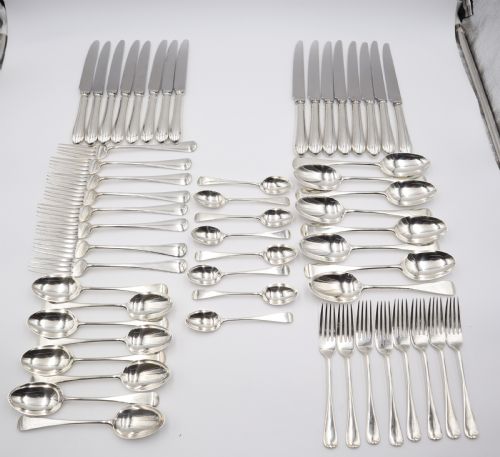
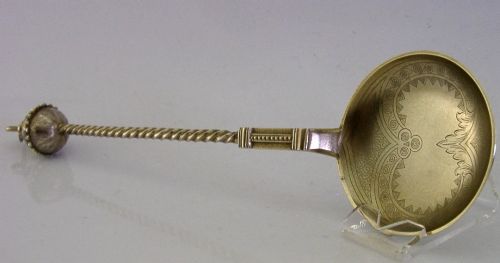
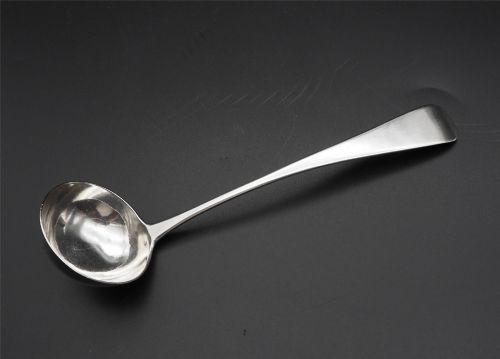
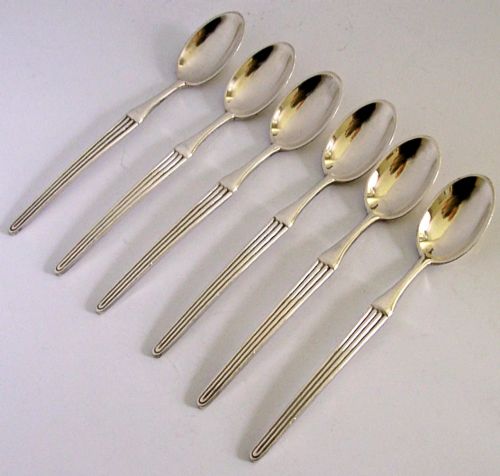
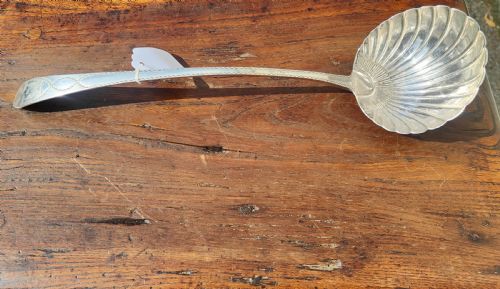
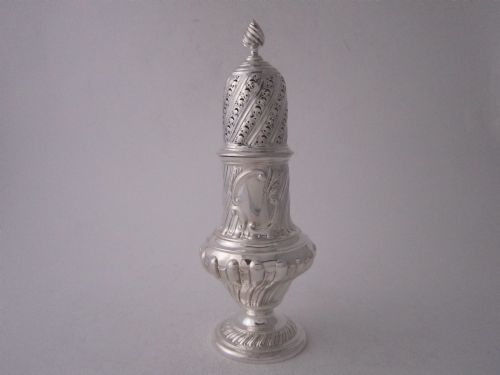
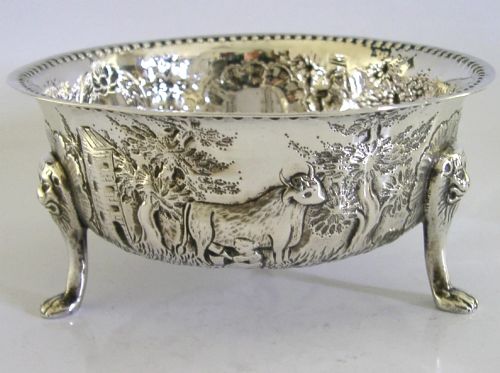
When you search for antique silver silverware, you meet a broad range of functional and decorative domestic objects spanning the eighteenth, nineteenth and early twentieth centuries. The selection includes tableware essentials such as teapots, sugar casters, cream jugs, mustard pots and cased sets of napkin rings alongside serving utensils like ladles, caddy spoons and fish servers.
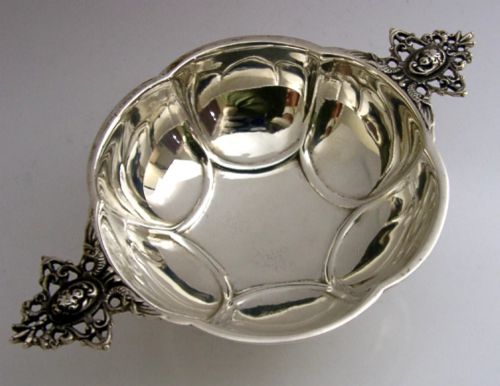
You will encounter pieces originating from British regional silversmiths, including Scottish provincial and Irish workshops, as well as continental and international makers. Domestic bowls, toast racks, christening mugs and complete canteens of cutlery form the core of the items available on this page.
How they were made
Silversmiths worked primarily in sterling silver, solid silver and silver gilt, shaping metal through hammering, casting and raising techniques. Secondary materials such as wood, steel, velvet, silk and agate appear in handles, fitted interiors and specialised cutlery.
Construction methods combined hand-hammering and detailed chasing with cast decorative elements soldered to bodies and rims. Makers applied hallmarks to attest to the standard of the metal and trace the origin and date of manufacture.
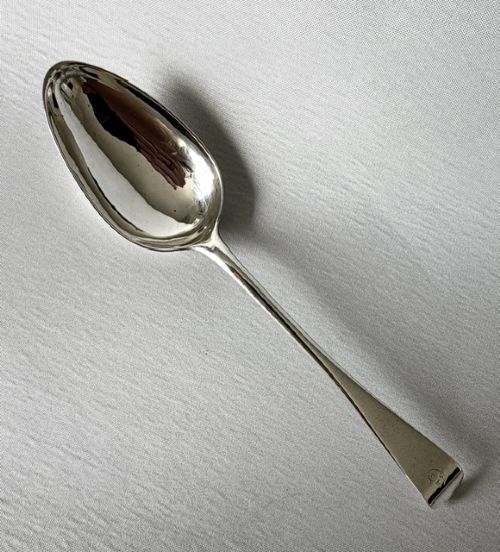
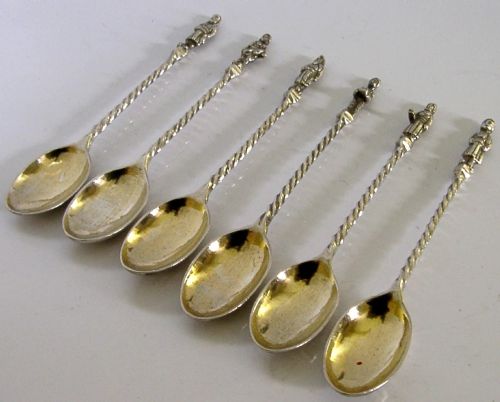
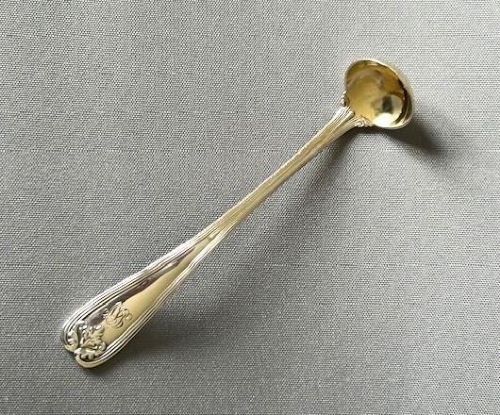
Some spoons arrive bearing private family crests, silently whispering tales of forgotten dinners and nineteenth-century dining room politics.
What varies in quality
The distinction between ordinary production and superior work rests on the clarity of the maker marks, the weight of the silver and the crispness of chased or engraved details. Heavier gauges of metal and substantial construction indicate higher grade domestic items.
Design execution and provenance set the finest examples apart, particularly where named makers or specific family crests are preserved on the piece. Well-balanced proportions and undamaged structural joints determine the standard of surviving tableware.
Bateman Family·Paul Storr·Tiffany
The Antique Silver Silverware Glossary
- Sterling silver
- A silver alloy containing 92.5 percent silver by mass, with other metals adding strength to the material. This standard forms the basis for British hallmarks.
- Silver gilt
- Silver objects that have been coated with a thin layer of gold on the surface. This technique provides the rich appearance of solid gold while utilising silver as the base metal.
- Caddy spoon
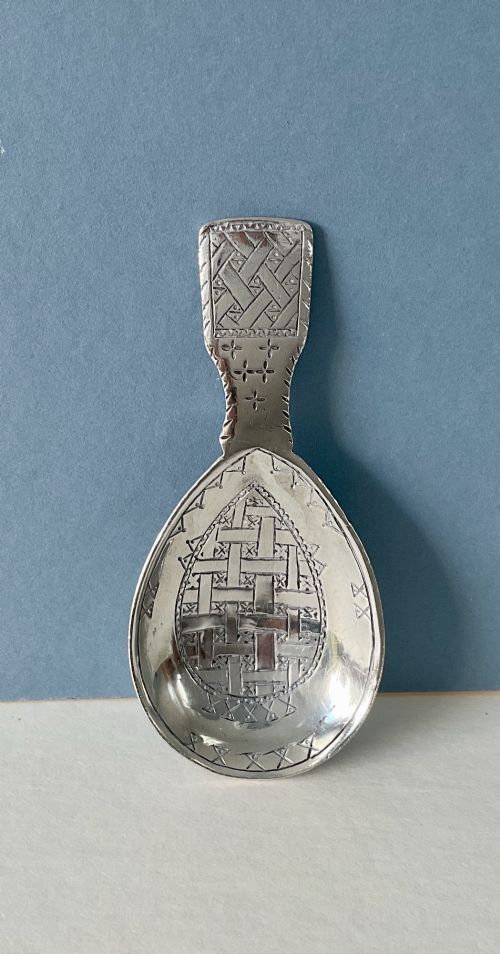
- A short-handled spoon specifically designed for measuring loose tea leaves from a storage caddy. These small utensils often display inventive regional designs and decorative bowls.
- Toast rack
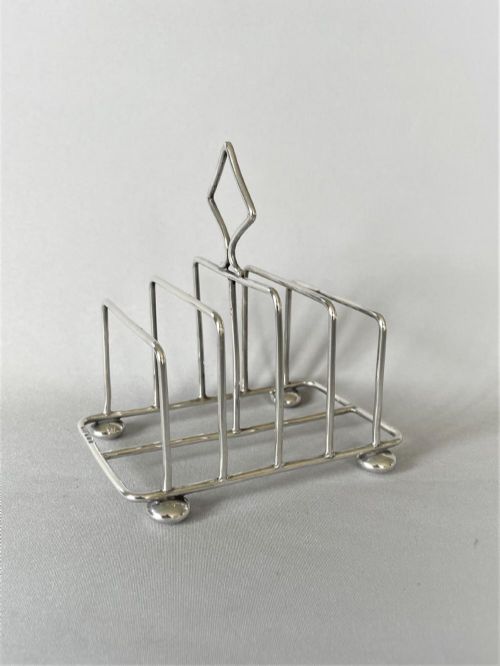
- A small tabletop framework with vertical dividers designed to hold slices of toast upright. This form prevents condensation from softening the bread during breakfast service.
- Hallmark
- A series of stamped symbols applied to precious metals indicating the maker, assay office, standard of purity and year of production. These marks provide the primary evidence for dating antique silverware.
Antique Silver Silverware: Frequently Asked Questions
How do I clean antique silver?
Clean antique silverware gently using a specialised silver cloth and warm soapy water to remove tarnish without abrading the surface. Avoid harsh chemical dips that strip the natural patina accumulated over centuries.
Dry the pieces thoroughly with a soft lint-free cloth after washing. Proper storage in tarnish-resistant fabrics helps preserve the finish between uses.
What is a silver canteens purpose?
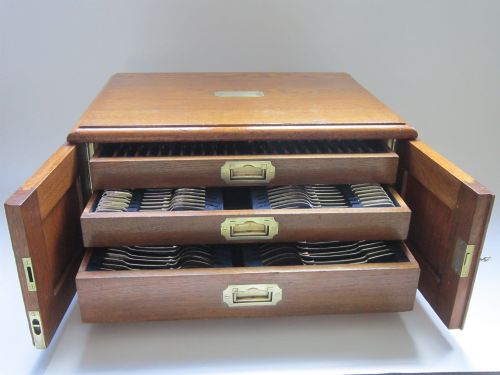
A silver canteen provides a matched set of cutlery housed in a dedicated fitted box or chest for formal dining. These collections ensure uniformity across table settings during large meals.
Canteens frequently include forks, spoons and specialised serving pieces designed for specific courses. The fitted containers protect the contents from damage when not in use.
How do I date antique silver?
Date antique silver by examining the stamped hallmarks and maker marks struck directly onto the metal. These official stamps record the assay office and a specific letter code corresponding to the year of manufacture.
Stylistic indicators such as handle patterns, construction methods and decorative motifs also help narrow down the period. Comparing the marks against established registers confirms the exact production date.
What are sugar casters used for?
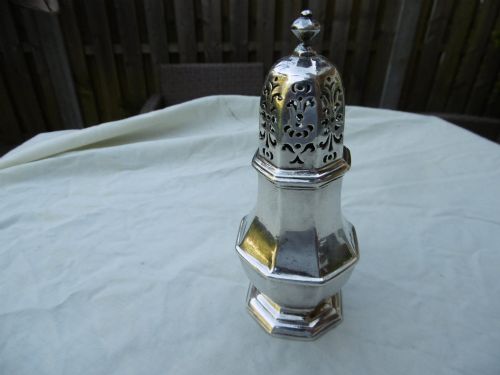
Sugar casters are perforated vessels used to sprinkle powdered or granulated sugar over food and beverages. They were essential items on formal dining and tea tables during the eighteenth and nineteenth centuries.
The pierced lid allows controlled distribution while the bulbous body holds a substantial quantity of sugar. Examples range from simple domestic versions to ornate pedestal designs.
Can I use antique silverware daily?
You can use antique silverware for daily dining provided you handle the pieces with care and wash them by hand. Silver is relatively soft and benefits from gentle treatment to prevent scratching and bending.
Hand washing prevents the harsh detergents and high heat of modern dishwashers from damaging delicate joints and handles. Regular gentle use maintains the lustre of the metal without accelerating wear.