



Silver Salt and Pepper
Silver salt and pepper sets are essential tableware adornments that bring historical character and refinement to any dining arrangement.

Identifying silver salt and pepper
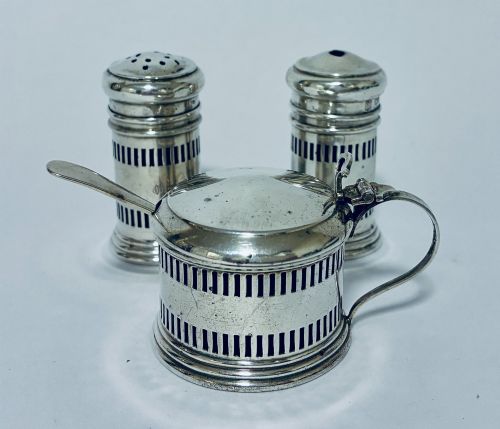
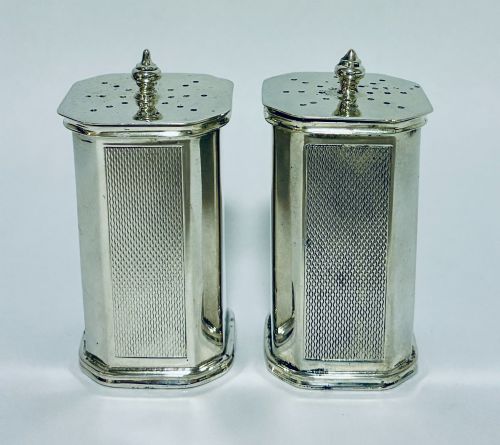
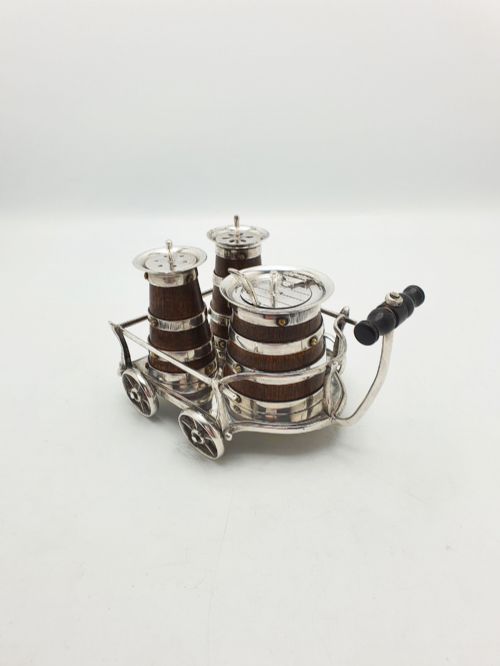
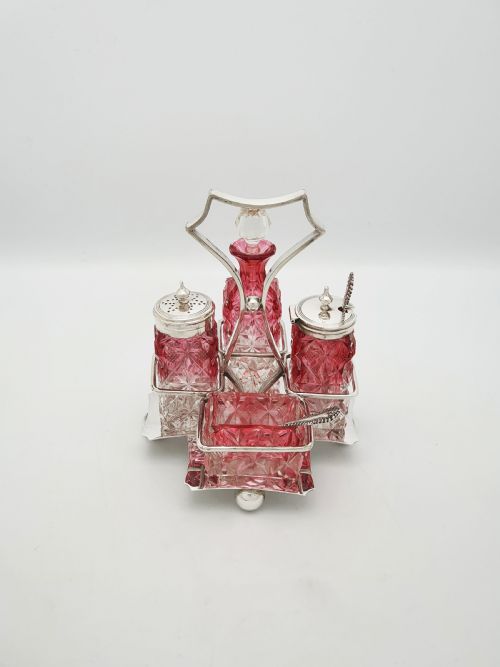
Silver salt and pepper pieces appear across multiple historical periods, including the Georgian, Victorian, Edwardian, and Art Deco eras, presented as individual shakers, matched pairs, or larger cruet sets.
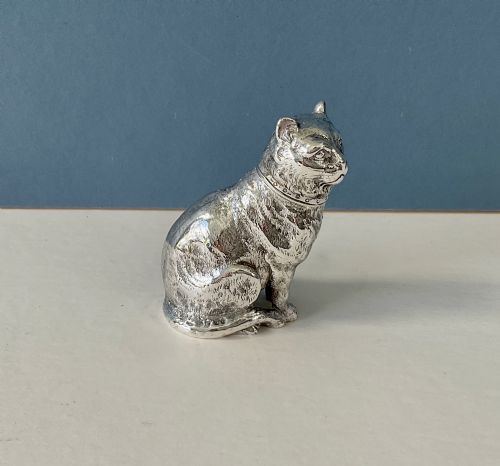
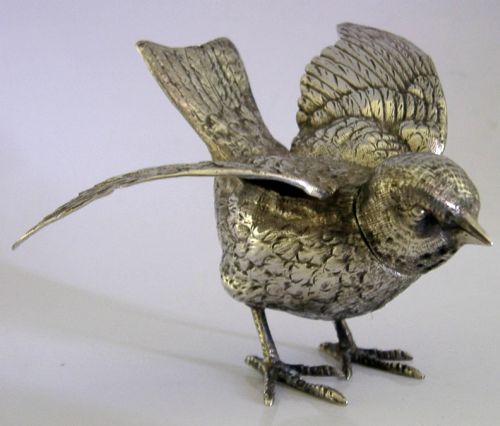
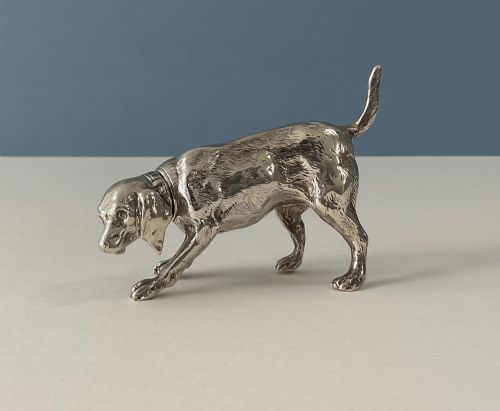
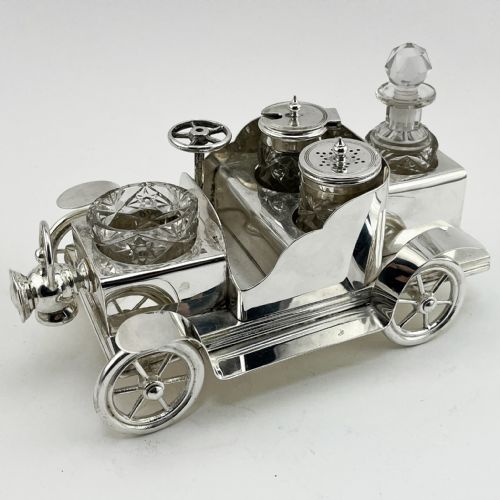
The items range from traditional pepperettes and pedestal shakers to novelty forms shaped like fish, dolphins, terriers, golf themes, and bullets, reflecting the diverse stylistic preferences of past makers.
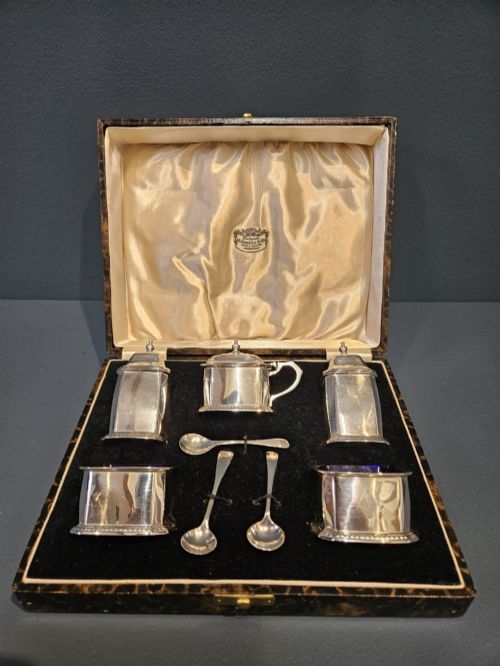
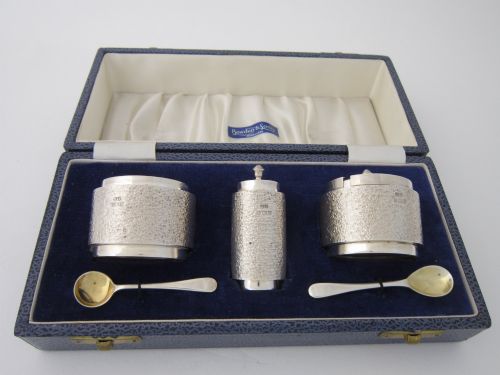
Buyers will most frequently encounter solid sterling silver shakers alongside cased condiment sets comprising glass components paired with hallmarked metal mounts.
Materials and construction
Construction relies heavily on solid sterling silver and silver plating, frequently combined with cut glass, blue glass liners, and protective internal linings of velvet, satin, or other fabric.
Manufacturing methods involve traditional silversmithing techniques, encompassing hallmarked metal components produced in major British centres such as London, Birmingham, Chester, and Sheffield.
Retail Price Guide 2026
Typical UK retail prices for silver salt and pepper, calculated from the Sellingantiques database of over a million retail prices indexed since 2003. This retail price guide relies exclusively on Sellingantiques data; no external sources or auction records are used, so the figures do not describe the wider market.
Judging quality in silver condiment ware
Quality separates standard production wares from superior items through the crispness of the hallmarking, the weight of the solid sterling silver, and the finesse of novelty casting.
Sets retained in their original fitted presentation cases demonstrate greater desirability among collectors than loose components assembled over time.
William Neale·Mappin And Webb·Richard Comyns·Emile Viner
The Silver Salt and Pepper Glossary
- Cruet set
- A matched collection of bottles, castors, or shakers designed to hold condiments for the dining table. These groupings often sit together on a dedicated stand or within a fitted case.
- Hallmark
- An official stamp applied to precious metals indicating purity, origin maker, and the year of assay. British pieces display these marks directly on the silver surface.
- Sterling silver
- An alloy consisting of pure silver combined with small quantities of other metals to increase durability. This standard material forms the foundation of quality antique tableware.
Frequently Asked Questions
What is a silver cruet set?
A silver cruet set is a coordinated assembly of condiment containers designed to hold substances like salt, pepper, and mustard for table service.
These collections often incorporate glass elements alongside hallmarked silver mounts and may include a fitted storage case.
How do I date antique pepper shakers?
Dating antique pepper shakers relies on examining the official hallmarks stamped into the metal, which indicate the assay office and the specific year of production.
Stylistic indicators such as Art Deco geometric lines or Victorian ornamentation also help place the items within their correct historical period.
Are novelty silver shakers rare?
Novelty silver shakers shaped like animals, bullets, or sports themes appear less frequently than standard cylindrical pepperettes.
Their distinct sculptural forms make them particularly sought after by collectors focusing on specialised tableware.
How should I clean silver condiments?
Cleaning antique silver requires gentle polishing using specialised cloths designed to preserve the metal surface and historical hallmarks.
Harsh abrasive cleaners should be avoided to protect the underlying sterling silver and any delicate glass liners.