





1930s Silver Tableware
These 1930s silver tableware pieces bring geometric lines and robust British craftsmanship to the modern dining table.
1930s Silver Tableware
When you search for 1930s silver tableware, you encounter functional dining items produced during the Art Deco period alongside traditional George V and George VI reigns. The selection spans utilitarian serving vessels and smaller table accessories designed for formal dining rooms.
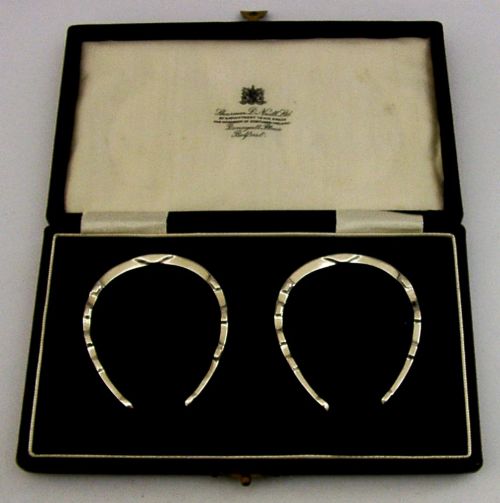
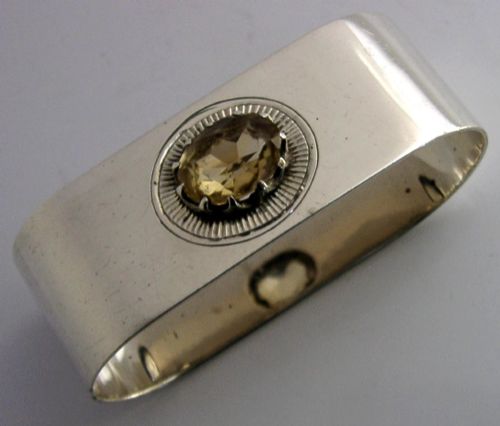
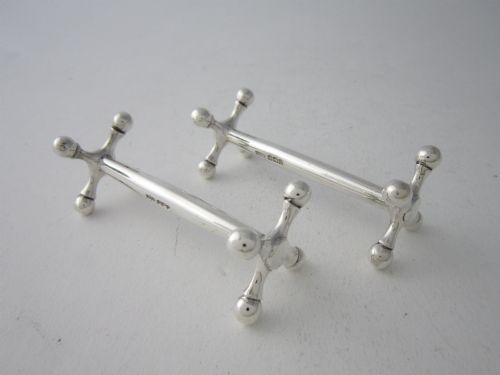
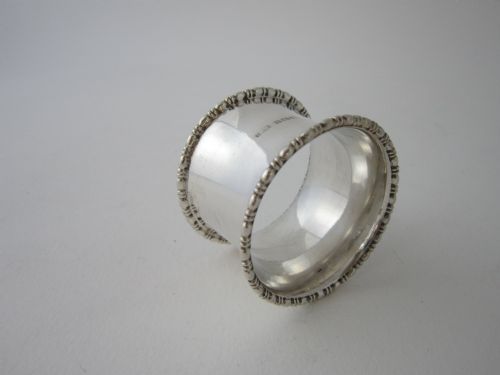
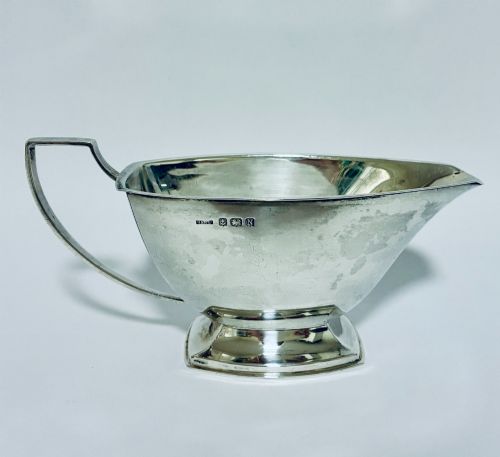
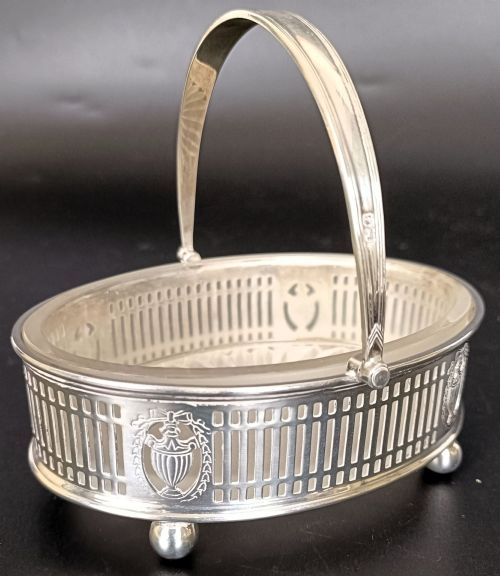
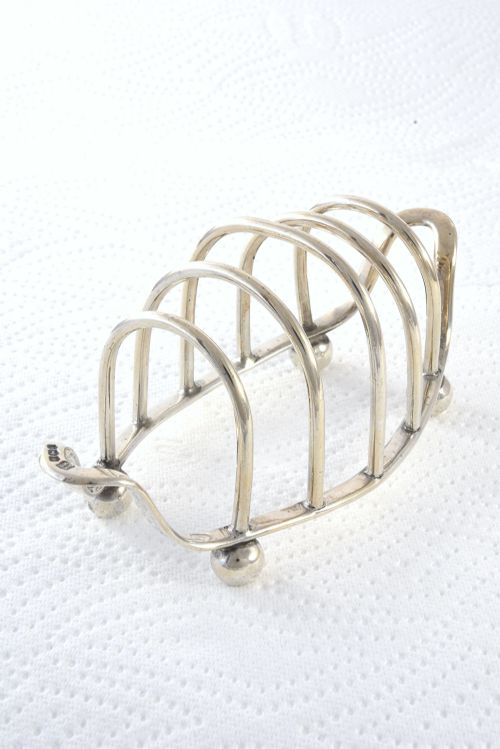
Napkin rings, condiment sets, sauce boats and toast racks form the core of the items available. These pieces range from restrained Neoclassical revival designs to geometric Art Deco forms created in British and European workshops.
Materials and construction
The physical construction relies heavily on solid sterling silver and silver plate, frequently combined with contrasting materials like cobalt glass liners, cut glass, velvet and citrine. Metalsmiths utilised traditional casting and smithing techniques to shape sugar shakers, dessert dishes and sauce boats.
Detailing often involves inset gemstones or contrasting coloured glass inserts housed within pierced silver frames. Makers balanced structural weight with decorative geometry, particularly in pieces originating from the Art Deco era.
Listings include sterling silver, silver plate, glass, velvet, satin, citrine and cobalt glass across the 1920, 1930 and 1940 periods.
Distinguishing quality
Quality in these items is determined by the weight of the metal and the precision of the subsidiary components, such as securely fitted glass liners in salt cellars and dessert dishes. Substantial gauge silver and crisp, deep hallmarks indicate superior production standards.
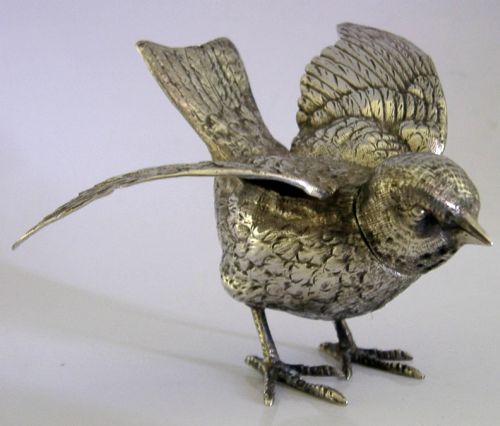
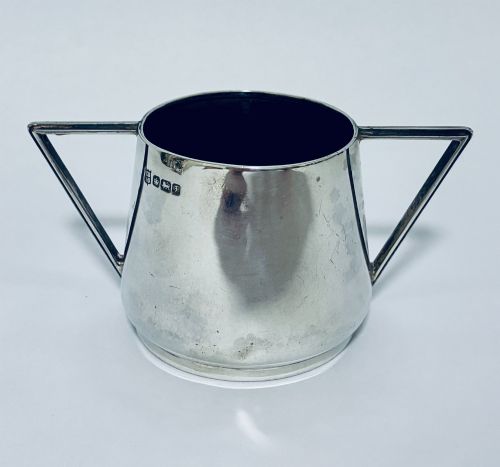
The distinction between standard commercial output and finer workshops lies in the execution of decorative elements like hand-pierced frames, cast animal figures and geometric handles. Maker attribution and complete original sets further elevate the standing of individual pieces.
William Neale·Barker Brothers·Viners·Mappin & Webb·Henry Wilkinson·Christofle Gallia
The 1930s Silver Tableware Glossary
- Sterling silver
- A silver alloy containing 92.5 percent pure silver and 7.5 percent other metals, usually copper, ensuring durability for functional tableware.
- Silver plate
- A base metal foundation coated with a thin layer of pure silver, offering the visual appearance of solid silver at a different production scale.
- Condiment set
- A matched group of small vessels designed to hold salt, pepper and mustard, frequently accompanied by bespoke glass liners and spoons.
- Toast rack
- A table accessory featuring parallel metal loops designed to hold slices of toast upright and prevent condensation.
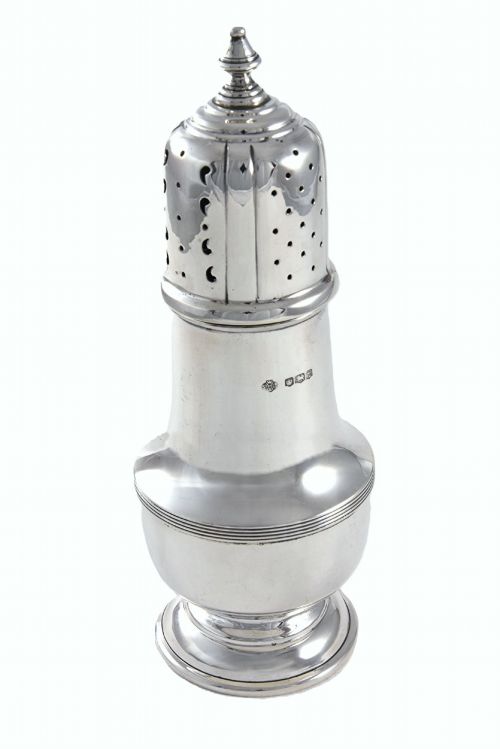
- Sugar caster
- A tall, perforated shaker vessel utilised for scattering caster sugar over desserts or baked goods.
1930s Silver Tableware: Frequently Asked Questions
How do I date these silver items?
British pieces carry hallmarks that include date letters, city assay marks and lion passants indicating sterling standard.
Matching these stamps against official registry records reveals the exact year of manufacture and the town where the item was tested.
Are glass liners original?
Original glass liners fit snugly into the pierced cavities of salt cellars, condiment sets and dessert dishes without excessive movement.
Replacement liners often differ slightly in colour, thickness or cut glass pattern from the original factory specifications.
How do I clean antique silver?
Use a soft microfibre cloth and a reputable specialist silver polish to remove tarnish gently without abrading the surface details.
Avoid submerging items with fitted organic materials like velvet or delicate stones such as citrine in liquid cleaning solutions.
Can I use these items daily?
Solid sterling silver and silver-plated tableware withstand regular use provided they receive proper hand washing and careful storage.
Harsh automatic dishwashers and abrasive scouring pads will damage the surface finish and remove delicate maker marks over time.