

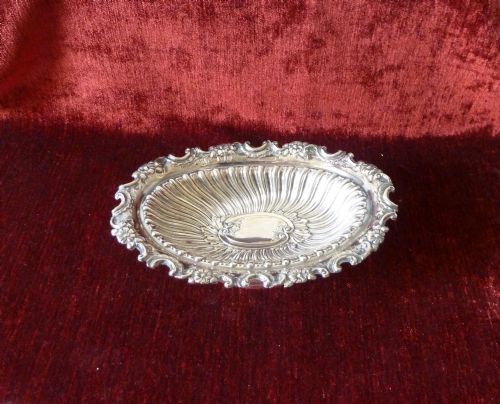
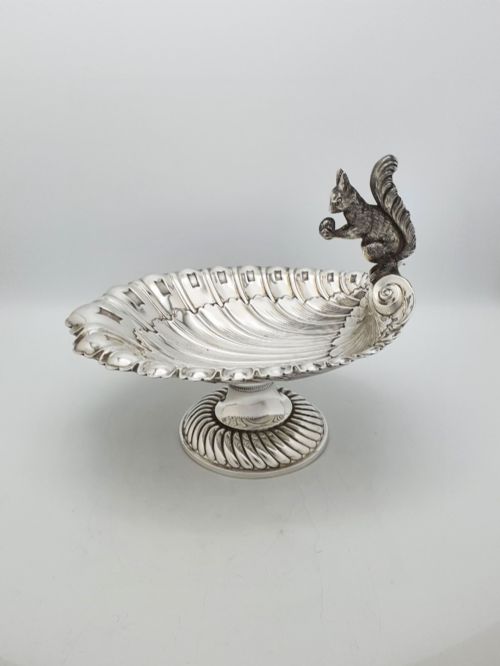
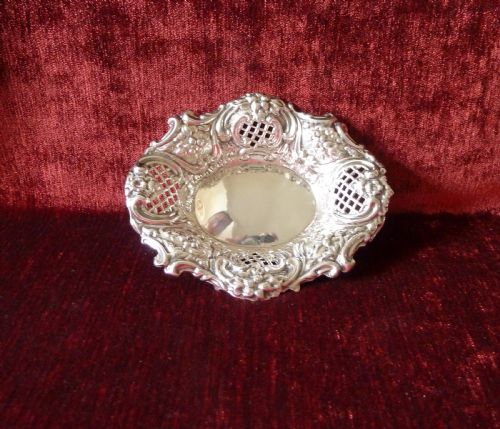
Silver Trinket Bowl
A silver trinket bowl holds small treasures on a dressing table, and these pieces span from Victorian naturalism to mid-century modern forms.
Silver Trinket Bowl
A silver trinket bowl encompasses small dishes, lidded pots, and shallow boxes designed for dressing tables and sideboards. These items appear across periods from the nineteenth century through the mid-twentieth century, including Victorian, Edwardian, and Art Deco eras.
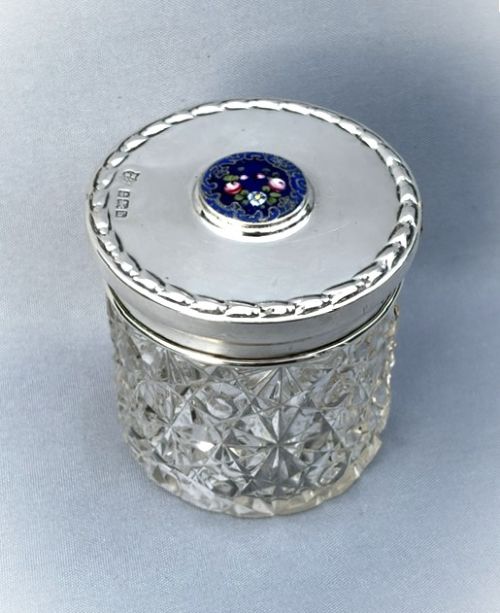
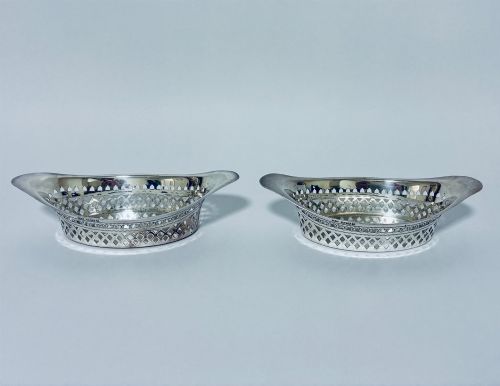
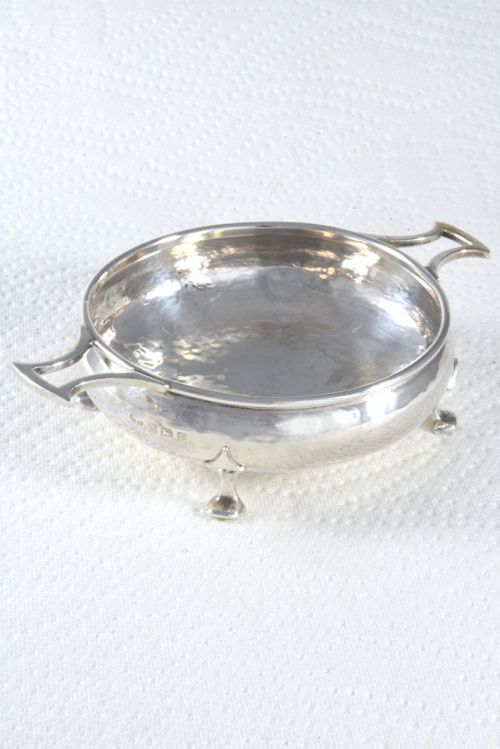
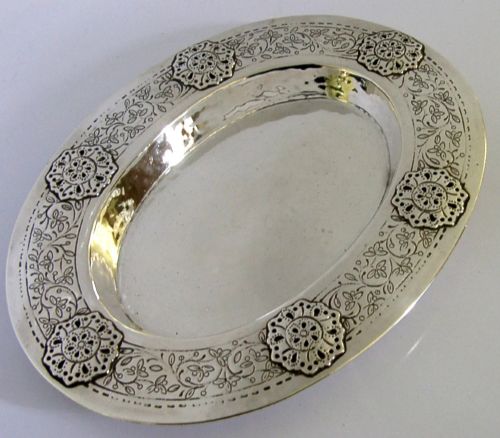
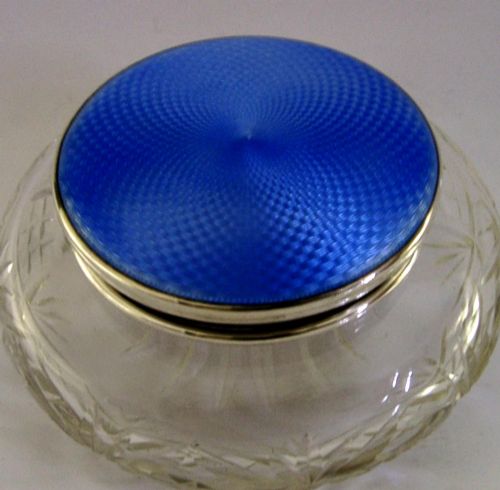
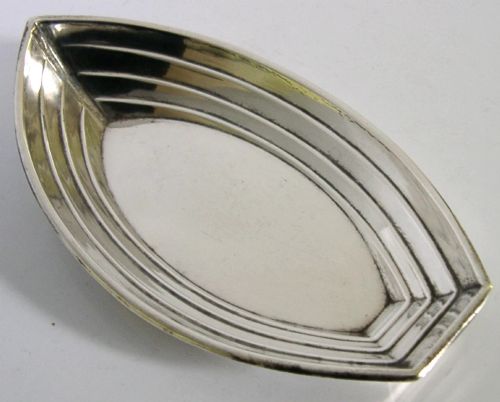
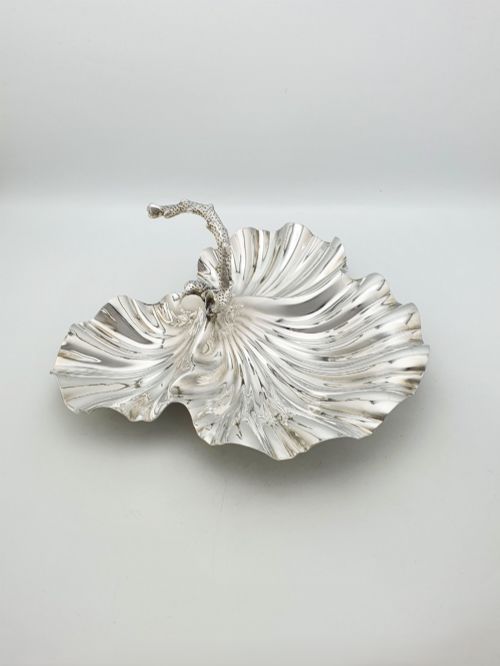
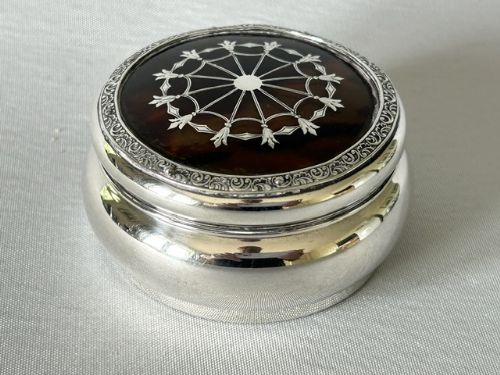
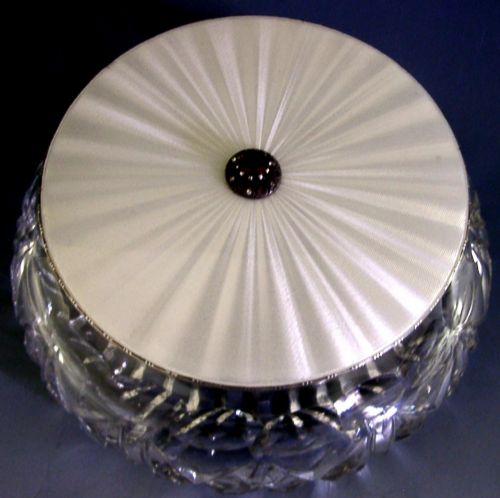
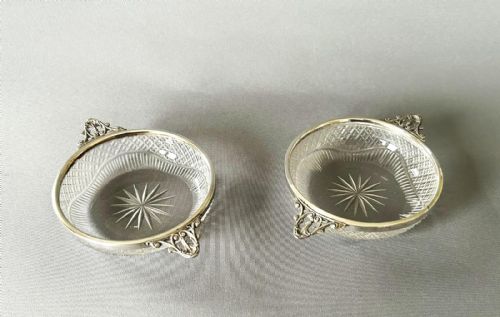
The selections on this page range from plain sterling silver dishes to combination pieces incorporating cut glass, tortoiseshell, and enamel. Forms include bonbon dishes, lidded vanity jars, and novelty shapes such as shells, leaves, and rowing boats.
Makers and assay offices from Britain, Europe, and beyond contributed to these diverse styles, utilising silver plate alongside solid sterling silver. Buyers find both open shallow dishes for pins and lidded pots meant to keep dressing table items secure.
Materials and Craftsmanship
Silversmiths formed these vessels using traditional methods of hammering, casting, and piercing solid sterling silver or silver plate. Many pieces combine metal with cut glass, rock crystal, or cranberry glass bodies to create texture and weight.
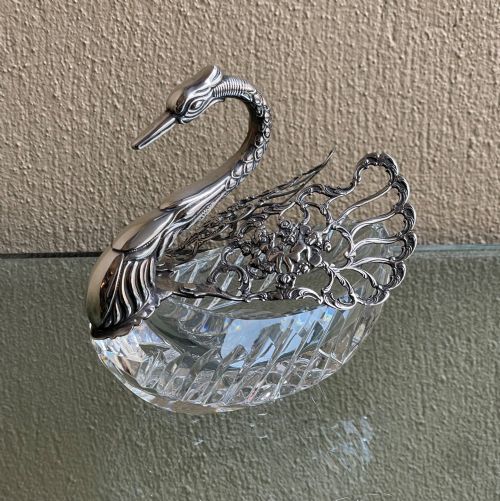
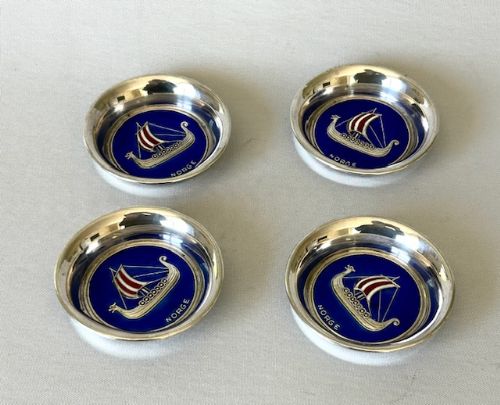
Surface decoration frequently involves hand-painted enamel, blue or pink enamel accents, and detailed tortoiseshell with pique work. Handles and rims often display naturalistic motifs like coral, leaves, or animal figures such as squirrels and swans.
Listings feature items spanning the Victorian, Edwardian, and Art Deco periods, created in sterling silver, silver plate, glass, and enamel.
Factors of Quality
Quality rests in the crispness of the chasing, the thickness of the silver gauge, and the integration of secondary materials like glass and enamel. Finer examples show undamaged enamel work, secure hinges on lidded boxes, and clear assay hallmarks.
Weight and balance distinguish standard production items from exceptional work, particularly when glass vessels are heavy and thick-walled. Pierced silver requires precision cutting that remains sharp and even across the entire pattern.
Liberty & Co·Wallace·Asprey & Co·Walker & Hall·Henry Williamson Ltd·William Comyns·William Padley·James Hennell·WMF
The Silver Trinket Bowl Glossary
- Sterling silver
- An alloy containing 92.5 percent silver by mass, with the remainder being other metals usually copper. This standard composition appears widely in British hallmarks.
- Bonbon dish
- A small, decorative bowl intended for holding sweets or small confectionery. These often feature pierced or openwork designs raised on small feet.
- Pique work
- A method of decorating tortoiseshell or ivory with tiny points of gold or silver. Craftsmen press heated metal pins into the material to form delicate patterns.
- Vermeil
- Sterling silver plated with a thin layer of gold. This technique gives objects a warm golden appearance while retaining a silver base.
- Assay office
- A body that tests the purity of precious metals and stamps items with official hallmarks. Towns such as Birmingham, London, and Edinburgh operated distinct offices.
Silver Trinket Bowl: Frequently Asked Questions
What were silver trinket bowls used for?
These vessels originally sat upon dressing tables and sideboards to hold small personal items. Owners kept rings, pins, trinkets, and sweets inside them.
Lidded versions protected delicate items from dust, while open dishes offered quick access to daily accessories.
How do I identify the date of a silver bowl?
British pieces typically feature hallmarks that indicate the assay office, the maker, and a date letter. These small stamped symbols reveal the exact year the item was tested and certified.
Stylistic clues like Edwardian proportions or Art Deco geometric enamel also point toward specific decades.
Are these bowls made entirely of silver?
Many examples consist of solid sterling silver or silver plate, but a large portion combine metal with other substances. Cut glass, rock crystal, tortoiseshell, and enamel frequently form the body or lid of the piece.
Descriptions specify whether an item is solid silver, plated, or paired with glass.
How should I clean a silver trinket bowl?
Gentle cleaning with a specialised silver cloth preserves the metal without removing desired patination. Avoid harsh abrasive dips, especially on pieces with enamel, tortoiseshell, or glass components.
Store them away from direct sunlight and damp environments to protect delicate surface decorations.