
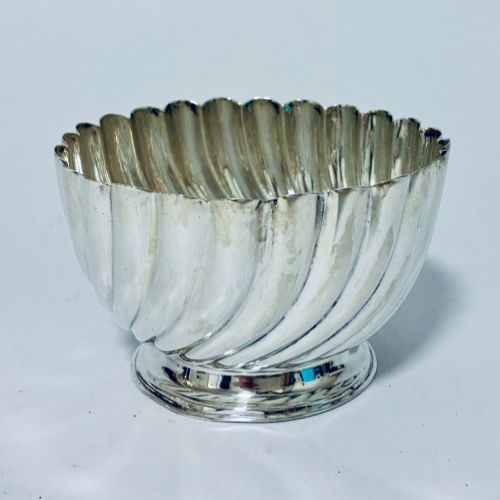
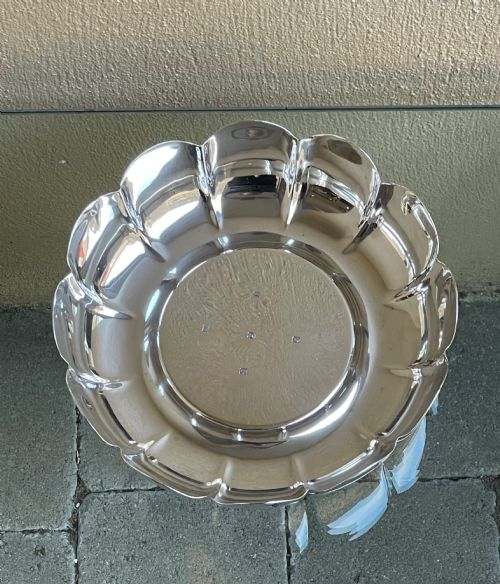
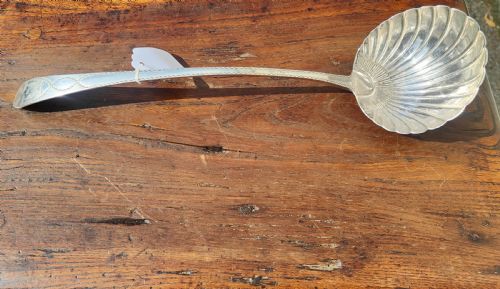
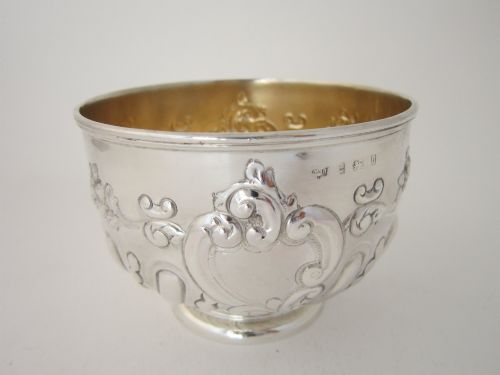
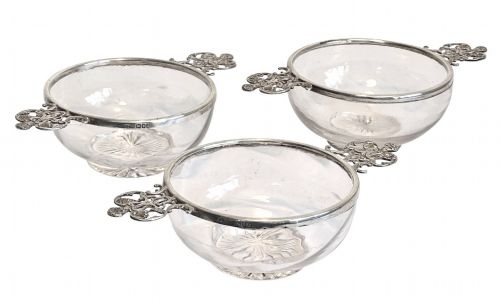
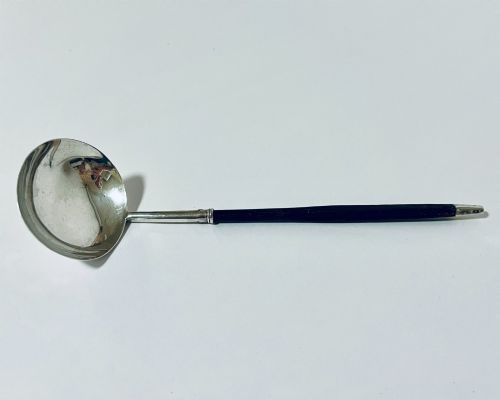
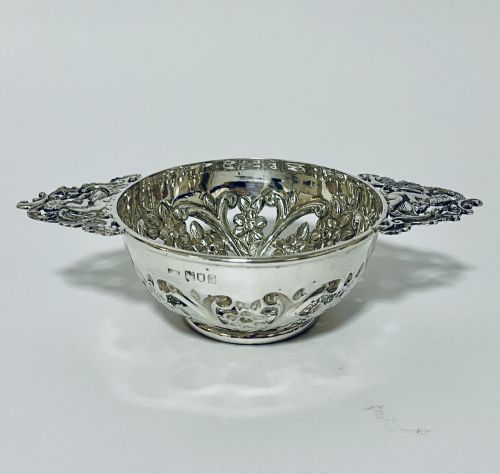

Silver Tableware Bowl
These silver tableware bowl pieces bring period elegance to the table, offering both decorative presence and historic utility for modern dining.
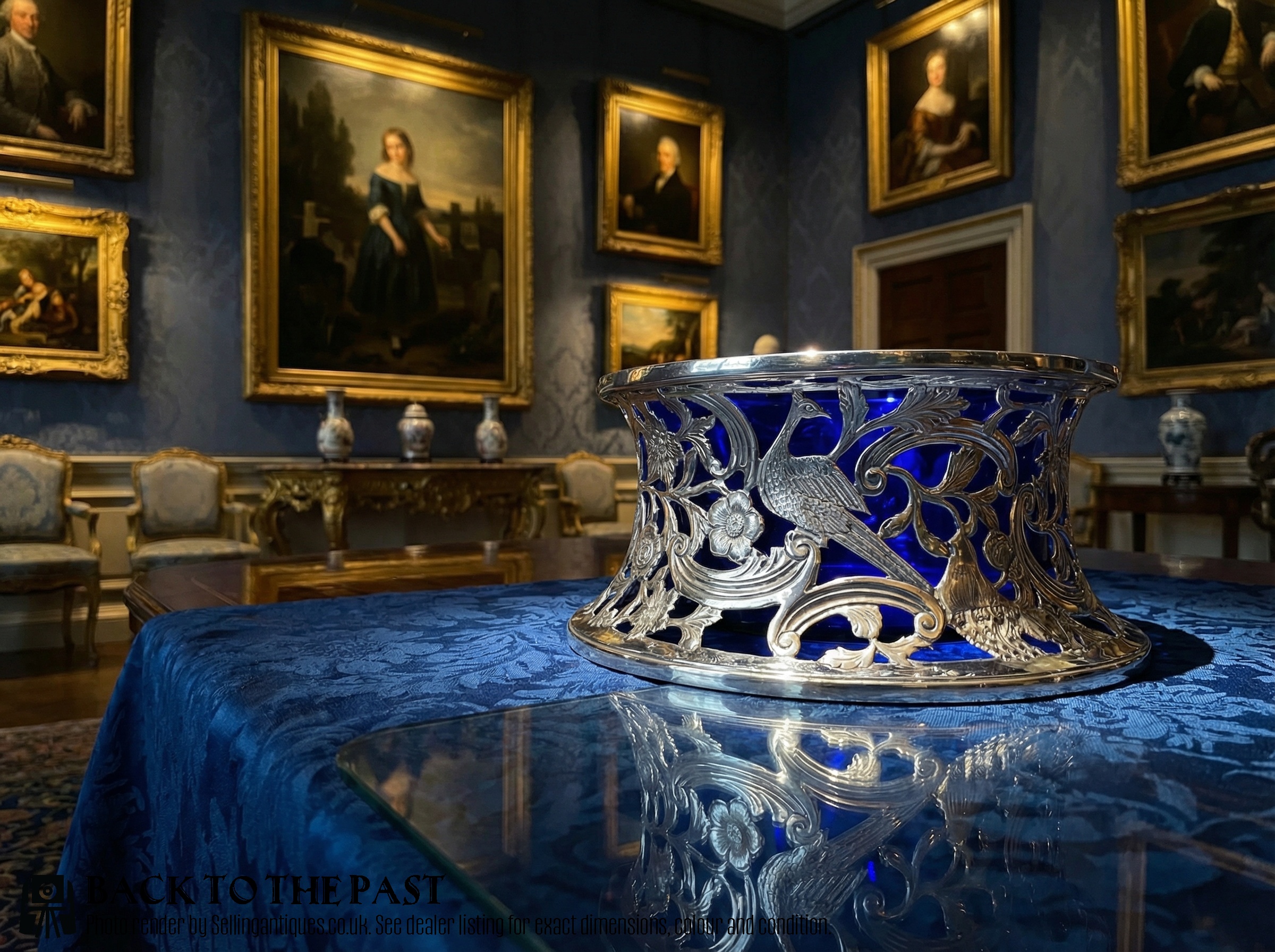
Silver Tableware Bowl
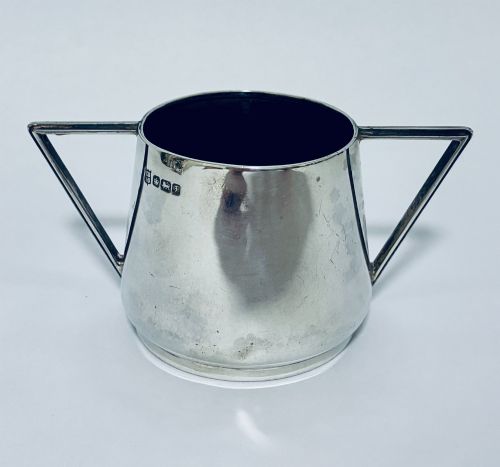
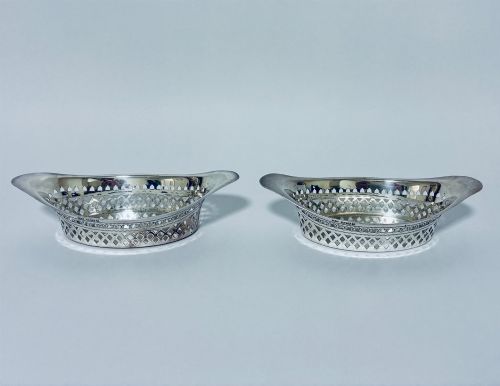
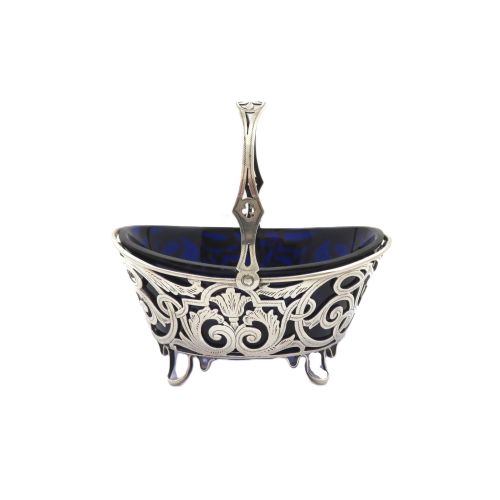
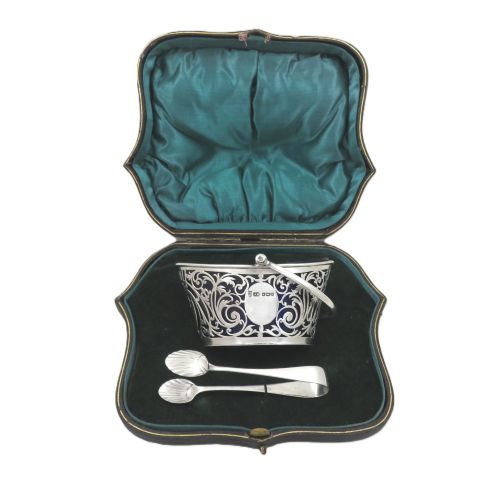
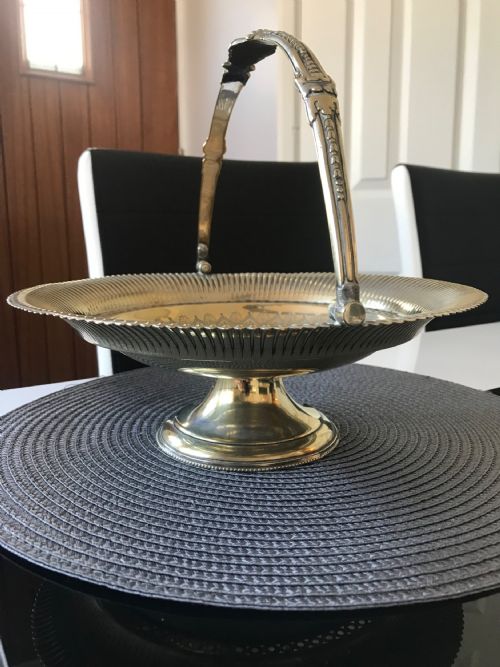
A silver tableware bowl encompasses various functional dining vessels, ranging from sugar baskets and butter dishes to bonbon dishes and larger serving bowls. Buyers searching this phrase encounter forms spanning the Georgian, Victorian, and Edwardian eras, alongside later Art Deco designs.
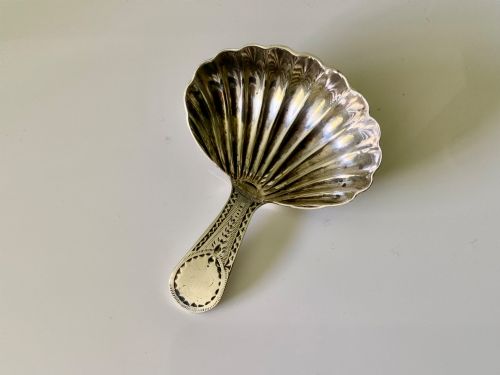
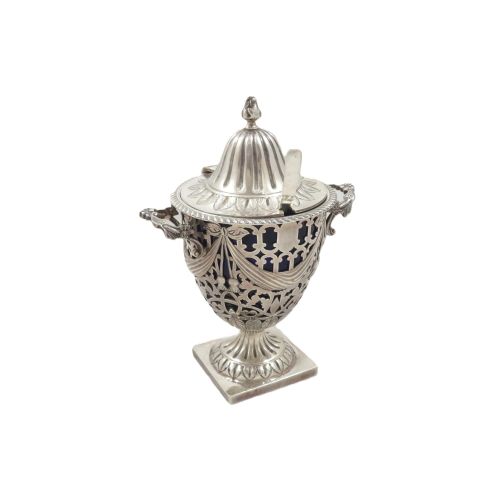
The pieces often incorporate specialised vessels like strawberry dishes, sweetmeat baskets, and quaichs, alongside matching spoons and liners. Many examples integrate contrasting materials such as glass liners, wooden elements, or velvet interiors to complement the metal structure.
Originating predominantly from British and Irish workshops, these items reflect the dining customs of the eighteenth, nineteenth, and early twentieth centuries. The selection balances practical serving pieces with ornate decorative baskets meant for display on the sideboard.
Materials and construction methods
Items in this category are fashioned primarily from solid sterling silver or silver plate, utilising foundational metals like copper in older Sheffield plated items and later electroplated nickel silver. Master silversmiths employed techniques such as piercing, casting, and repoussé to shape the metal into intricate baskets and bowls.
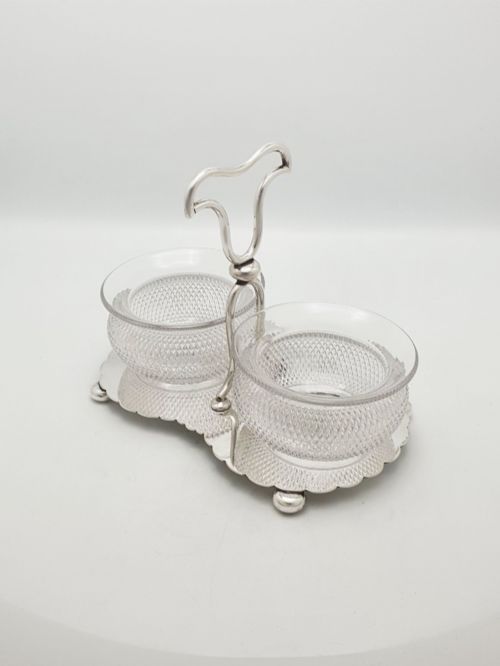
Glass and ceramic components frequently accompany the silver framework, seen in fitted condiment sets, cranberry glass bowls, and majolica salad servers. Gilding was also applied to the interior surfaces of specific berry spoons and bowls to protect the silver from acidic fruits.
Listings feature items spanning from the eighteenth century through the Art Deco period of the 1920s.
Assessing craftsmanship and condition
Quality in these items rests upon the crispness of the hand-chased decoration, the weight of the silver, and the structural integrity of pierced galleries and handles. Pieces featuring cast elements and fully legible hallmarks demonstrate superior original manufacture.
The survival of original glass liners, matched spoons, and fitted presentation cases elevates the desirability of a piece. Preserved original plating on nineteenth-century items and minimal wear to engraved surface details further distinguish finer examples.
William Comyns·The Goldsmiths & Silversmiths·Michael Smith
The Silver Tableware Bowl Glossary
- Sterling silver
- A silver alloy containing 92.5 percent pure silver and 7.5 percent other metals, typically copper, used widely for British tableware.
- Old Sheffield plate
- An early method of fusing a thin sheet of sterling silver to a thicker copper base, common in pieces from the eighteenth and early nineteenth centuries.
- Bonbon dish
- A small ornamental bowl specifically designed for serving sweets, bonbons, or nuts during formal dining occasions.
- Quaich
- A traditional two-handled drinking vessel originating in Scotland, occasionally utilised as a shallow decorative bowl in later periods.
- Porringer
- A small, shallow bowl with one or two horizontal flat handles, historically used for porage, broth, or bleeding basins.
- Pierced work
- A decorative technique involving the cutting or piercing of patterns through the metal wall of a basket or bowl to create openwork designs.
Silver Tableware Bowl: Frequently Asked Questions
What is a silver sugar basket used for?
Sugar baskets served to hold lump sugar on the tea table during the Georgian and Victorian eras, often accompanied by matching sugar tongs.
Guests would use the tongs to transfer sugar cubes into their tea cups from these central tabletop vessels.
How do I clean antique silver bowls?
Antique silver requires gentle cleaning with a specialised non-abrasive silver polish and a soft cloth to protect the underlying metal and any engraved details.
Harsh chemical dips should be avoided, particularly on pieces with applied gilding, glass inserts, or delicate pierced work.
Can I use these silver bowls daily?
Many solid silver and plated bowls remain robust enough for regular use, provided they are hand washed promptly after serving acidic foods.
Items featuring fragile glass liners or delicate antique plating benefit from careful handling and occasional rather than daily service.
How do I identify the date of a silver bowl?
British silver items typically feature hallmarks stamped into the metal, indicating the assay office, standard of silver, and a date letter corresponding to the year of manufacture.
Stylistic cues such as Neoclassical handles or Art Deco geometric forms further help narrow down the period when hallmarks are absent or worn.