





Cobalt Blue Silver Bowl
A cobalt blue silver bowl combines deep-toned glass with precious metalwork, offering striking visual contrast for the modern dining table.
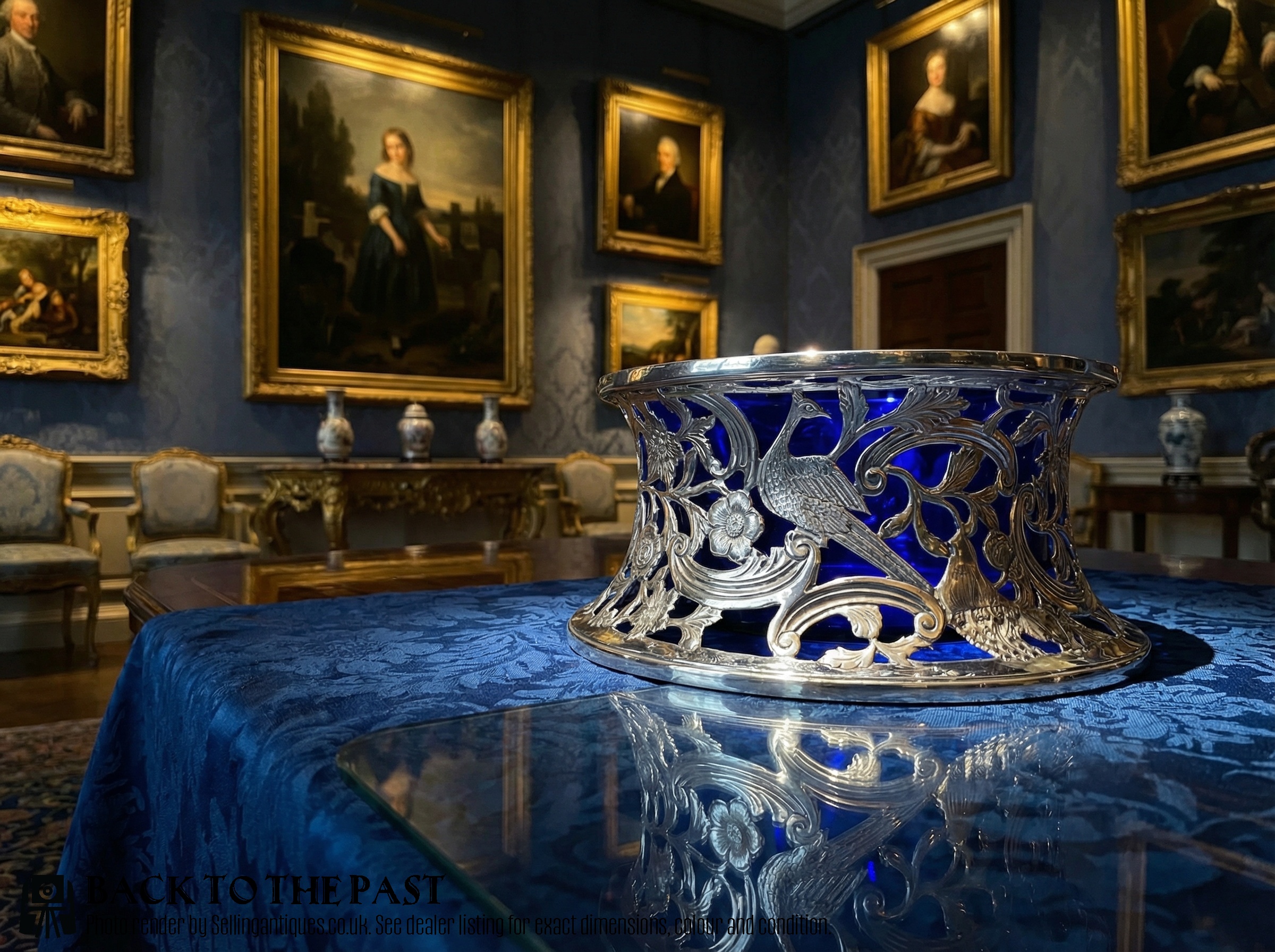
Cobalt Blue Silver Bowl
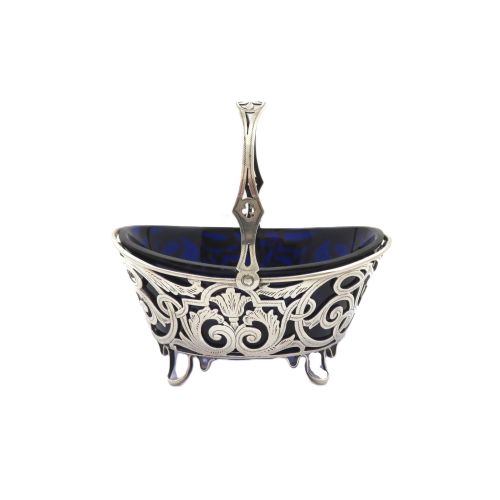
When you search for a cobalt blue silver bowl, you encounter a refined group of tableware designed primarily for sugar, fruit, and condiments. The selections on this page span from the eighteenth century through the Edwardian era, taking forms such as pierced sugar baskets, open salt cellars, and large centrepieces.
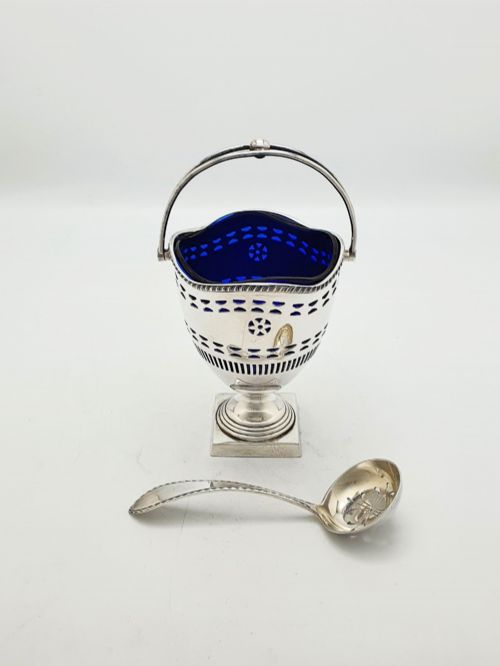
Vessels from the Victorian and Edwardian periods frequently pair sterling silver frames with cobalt glass liners. Earlier examples from the eighteenth century demonstrate pierced silverwork enclosing removable glass inserts for the dining table.
How they were made
Makers combined blown or moulded cobalt glass with sterling silver, silver plate, or lower-purity options such as eight-hundred silver. Piercing and casting techniques shaped the precious metal mounts, creating openwork lattices that exposed the rich blue glass beneath.
Ceramic bodies also appear alongside metal components, as seen in pieces originating from potteries like Doulton. Artisans secured glass liners within hinged or fixed metal handles, often incorporating cast floral motifs.
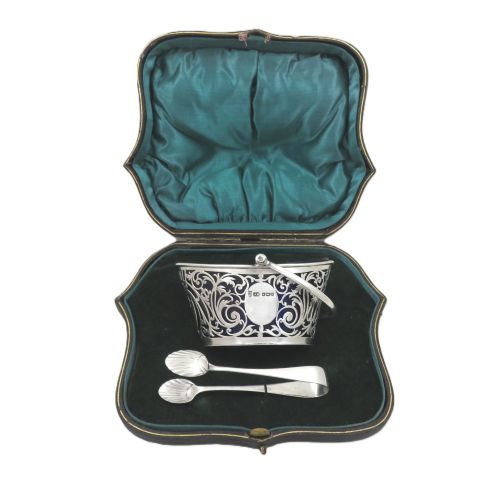
Some antique sugar baskets come tucked inside their original velvet-lined presentation cases, preserved safely from the Victorian dining room.
What varies in quality
The distinction between standard items and superior examples lies in the weight of the metal and the intricacy of the piercing. Heavier gauge sterling silver and finely cast handles demonstrate greater skill than lighter silver-plated alternatives.
The clarity and depth of the cobalt glass further differentiate pieces, alongside the original presence of matching liners and fitted presentation cases.
Aldridge & Green·Doulton Burslem·Doulton Lambeth
The Cobalt Blue Silver Bowl Glossary
- Cobalt glass
- A deep blue glass coloured by the addition of cobalt oxide during manufacture. It provides a striking contrast when paired with silver mounts.
- Sugar basket
- A small footed vessel with a swing handle, used on the tea table to hold lump sugar. They frequently feature pierced metalwork and coloured glass liners.
- Salt cellar
- A small open bowl used for holding loose salt at the dining table. These are often found in matched sets with small spoons.
- Dish ring
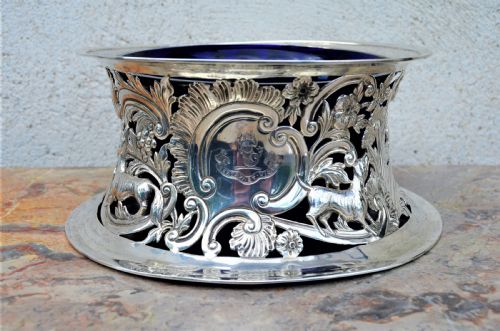
- A spool-shaped stand, also known as a potato ring, used to elevate bowls and dishes on the dining table. They originated in Ireland and are heavily pierced.
- Silver plate
- A base metal coated with a thin layer of silver through electroplating or older techniques. It offers the appearance of solid silver at a different cost.
Cobalt Blue Silver Bowl: Frequently Asked Questions
What are cobalt blue silver bowls used for?
These vessels served various functional roles on the dining and tea table, holding sugar, salt, or fruit. The glass liner protected the metal from corrosive substances.
Today, collectors utilise them as decorative focal points, occasional dishes, or centrepieces for floral arrangements.
How do I care for cobalt glass and silver?
Wash the glass liner separately in warm soapy water, avoiding harsh abrasives that might scratch the surface. Polish the silver mount with a dedicated cloth while taking care to keep polish away from the glass.
Store the items in a dry environment to prevent tarnish accumulation on the silver components.
Are the glass liners removable?
Most glass liners lift out easily from the surrounding silver or plated metal framework. This design facilitated cleaning after use on the dining table.
When handling pieces, check whether the liner is original to the metal mount, as replacements are common.
How can I tell Georgian pieces from Victorian ones?
Eighteenth-century examples often display hand-pierced neoclassical patterns and crisp maker marks specific to that era. Victorian and Edwardian items tend to feature heavier cast floral handles and machine-assisted manufacturing marks.
Examining the hallmarks stamped on the silver provides the most reliable guide to the exact period of manufacture.