
Antique Solid Silver Rings
These antique solid silver rings are primarily tableware pieces and napkin bands carrying the weight of Georgian, Victorian, and Edwardian dining tables.
Antique Solid Silver Rings
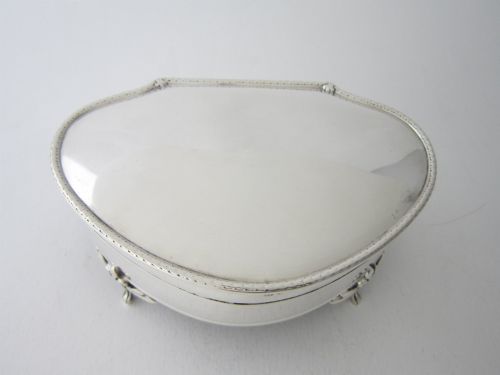
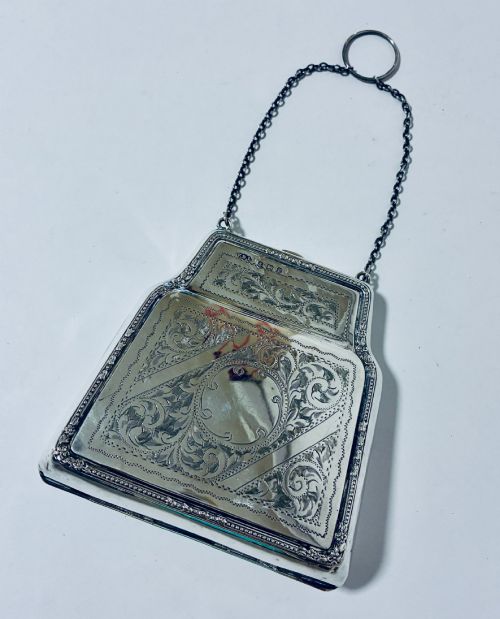
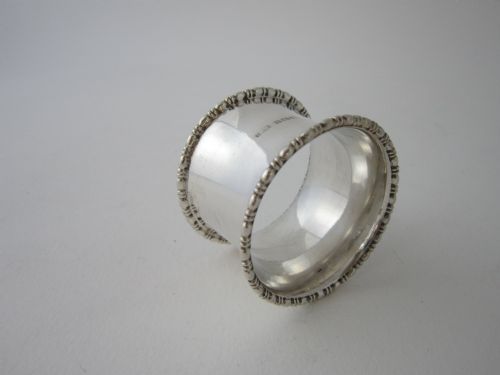
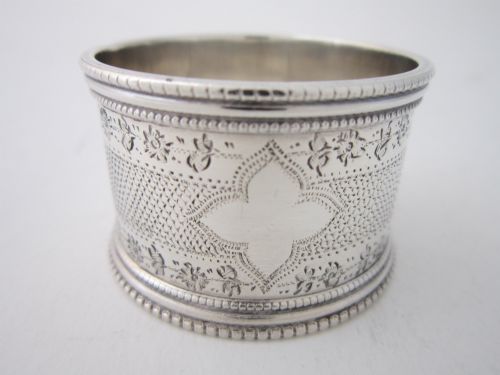
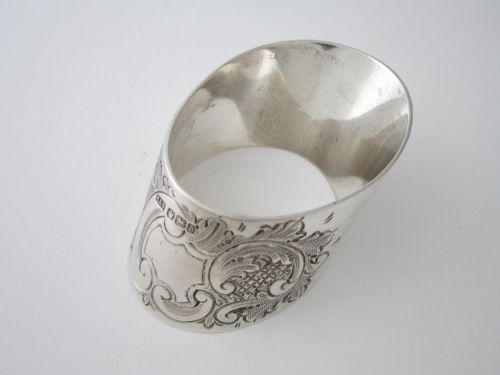
When searching for antique solid silver rings, buyers will encounter a selection dominated by napkin rings alongside occasional trinket boxes, purses, and tableware items. These pieces span the Georgian, Victorian, Edwardian, and George V periods, reflecting the shifting domestic habits and dining customs of their times.
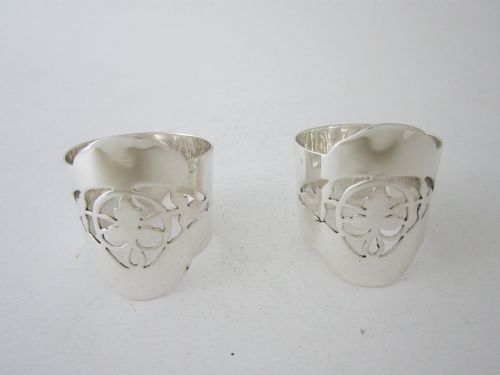
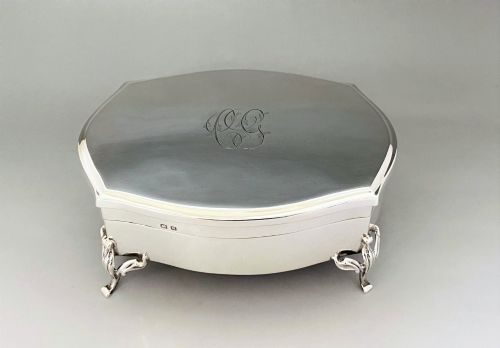
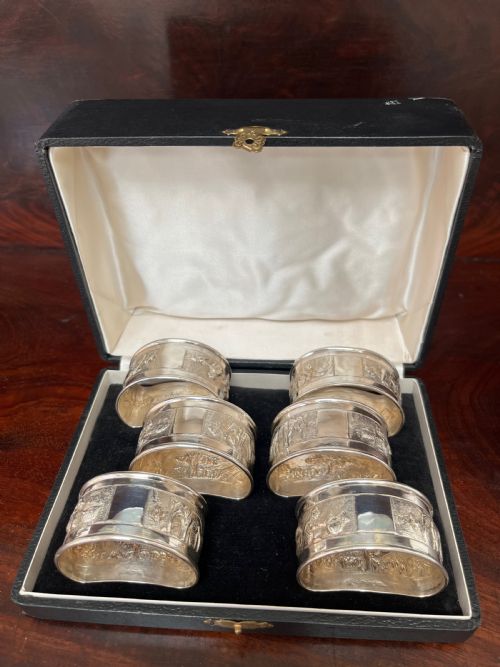
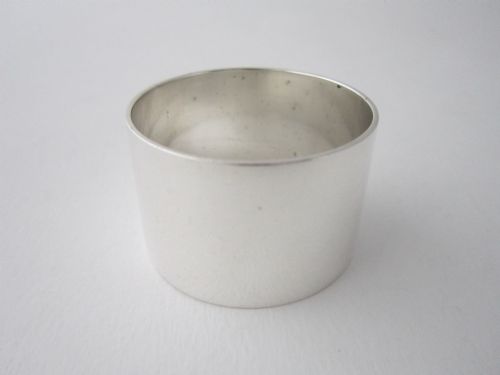
Napkin rings form the core of this category, appearing either as single heavy examples, matched pairs, or larger fitted cased sets. Alongside these practical dining accessories, the selections include small decorative dishes and dressing table containers lined with silk or velvet.
How they were made
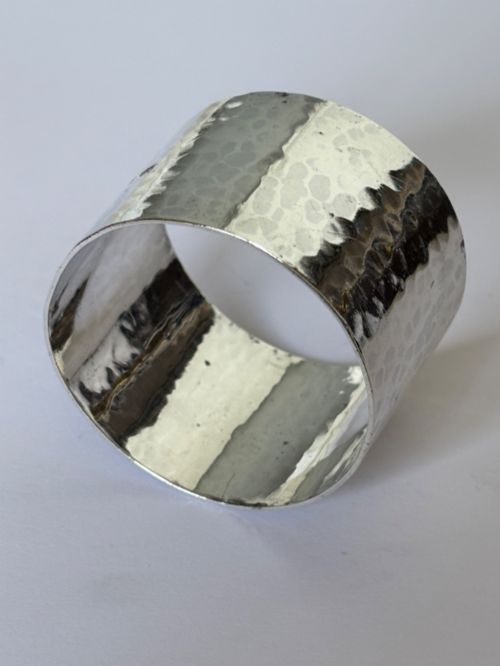
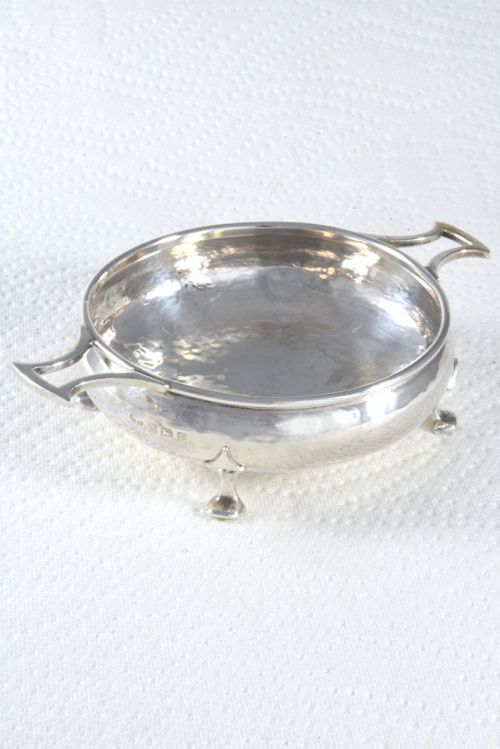
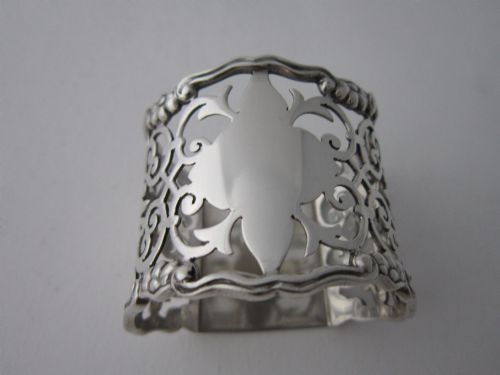
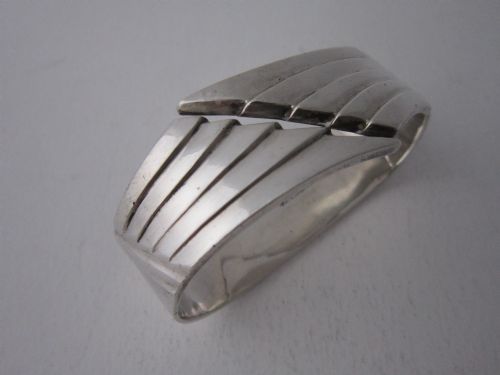
Silversmiths shaped sterling silver into cylindrical bands and hollowware forms using traditional hammering, piercing, and embossing techniques. Many examples display the distinct hand-beaten marks of the Arts and Crafts movement or crisp machine-pressed geometric motifs from the Art Deco era.
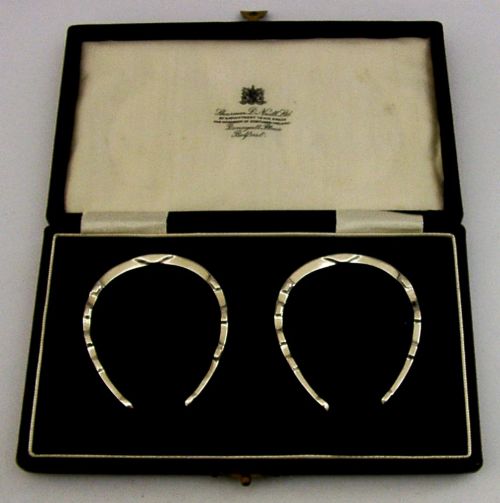
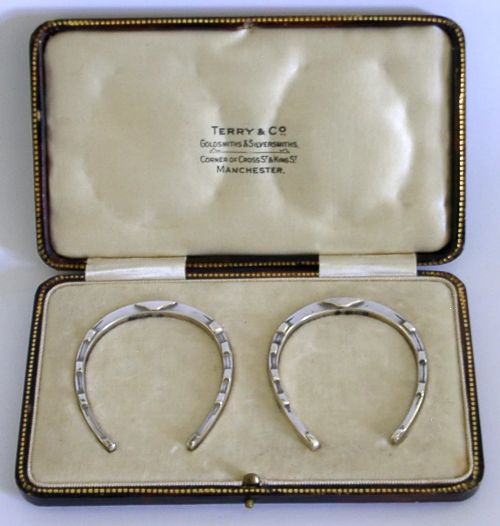
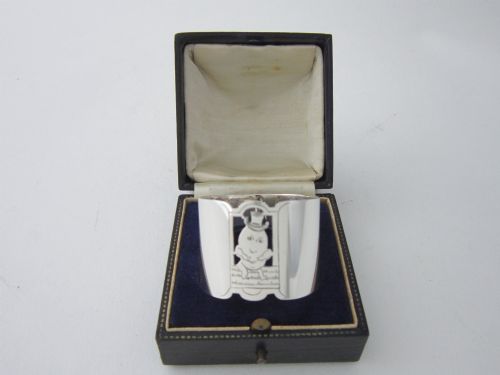
Makers often housed these silver items in fitted cases lined with silk, satin, velvet, leather, or leatherette, preserving the metal and enhancing their presentation.
Listings feature sterling silver napkin rings spanning from the late Victorian period through the Art Deco era of the 1930s.
What varies in quality
Quality rests upon the gauge of the sterling silver, separating flimsy pressed sheets from substantial heavy-weight metal that retains its structural integrity. Finer pieces demonstrate crisp, deep relief work in motifs such as horse shoes or cherub reliefs, rather than shallow stamping.
The presence of original fitted boxes lined with silk or velvet distinguishes better preserved sets from loose individual items collected over time.
Albert Edward Jones·C.T. Burrows and Sons·Tiffany and Co·Mappin and Webb·Cartier
The Antique Solid Silver Rings Glossary
- Sterling silver
- An alloy containing 92.5 percent silver and 7.5 percent other metals, usually copper, chosen for durability. This standard metal forms the foundation of most pieces in this category.
- Hallmark
- A series of official marks stamped on precious metals indicating the maker, assay office, and year of testing. These tiny impressions provide verifiable proof of origin and date.
- Hollowware
- Tableware items such as bowls, cups, and napkin rings formed from sheet metal rather than cast solid. This method keeps objects light enough for daily use while maintaining a substantial appearance.
- Pierced work
- A decorative technique where metal is pierced and cut through to create openwork patterns and designs. This method lightened heavy pieces and added intricate visual texture.
- Repousse
- Metalworking technique where the design is hammered into relief from the reverse side. This creates raised ornamental patterns on boxes and napkin bands.
Antique Solid Silver Rings: Frequently Asked Questions
How do I clean antique silver napkin rings?
Use a soft microfiber cloth with a dedicated silver polish to remove tarnish gently without wearing down raised details or hallmarks. Avoid harsh chemical dips that strip away the natural dark patina accumulated in recessed areas over decades.
Store clean pieces away from direct sunlight and damp environments, ideally inside their original fitted cases or lined compartments to slow future oxidation.
Were napkin rings engraved with initials?
Many dining pieces feature personalized monograms, crests, or family ciphers hand-engraved onto smooth blank shields or cartouches. This practice identified individual family members at communal dining tables during the Victorian and Edwardian eras.
Such historic engravings add personal provenance to the item rather than detracting from its collectible appeal.
How can I date my silver ring?
Locate the small stamped hallmarks on the outer or inner surface of the metal band to read the specific assay office mark and date letter. Each British assay office used distinctive alphabetical cycles corresponding to exact years of manufacture.
Style indicators such as Art Nouveau curves or heavy George V proportions further help narrow down the production decade.
Can I still use these for dinner parties?
These historic tableware pieces are robust enough for modern dining use, provided they receive gentle hand washing with mild soap after meals. Sterling silver possesses natural antibacterial properties suited for everyday contact with linen napkins.
Ensure delicate pierced designs or hinged boxes are handled with care to prevent accidental bending or structural stress.