


Repousse Silver Dish Ring
These repousse silver dish ring pieces bring distinctive form and historic metalwork straight to your table.
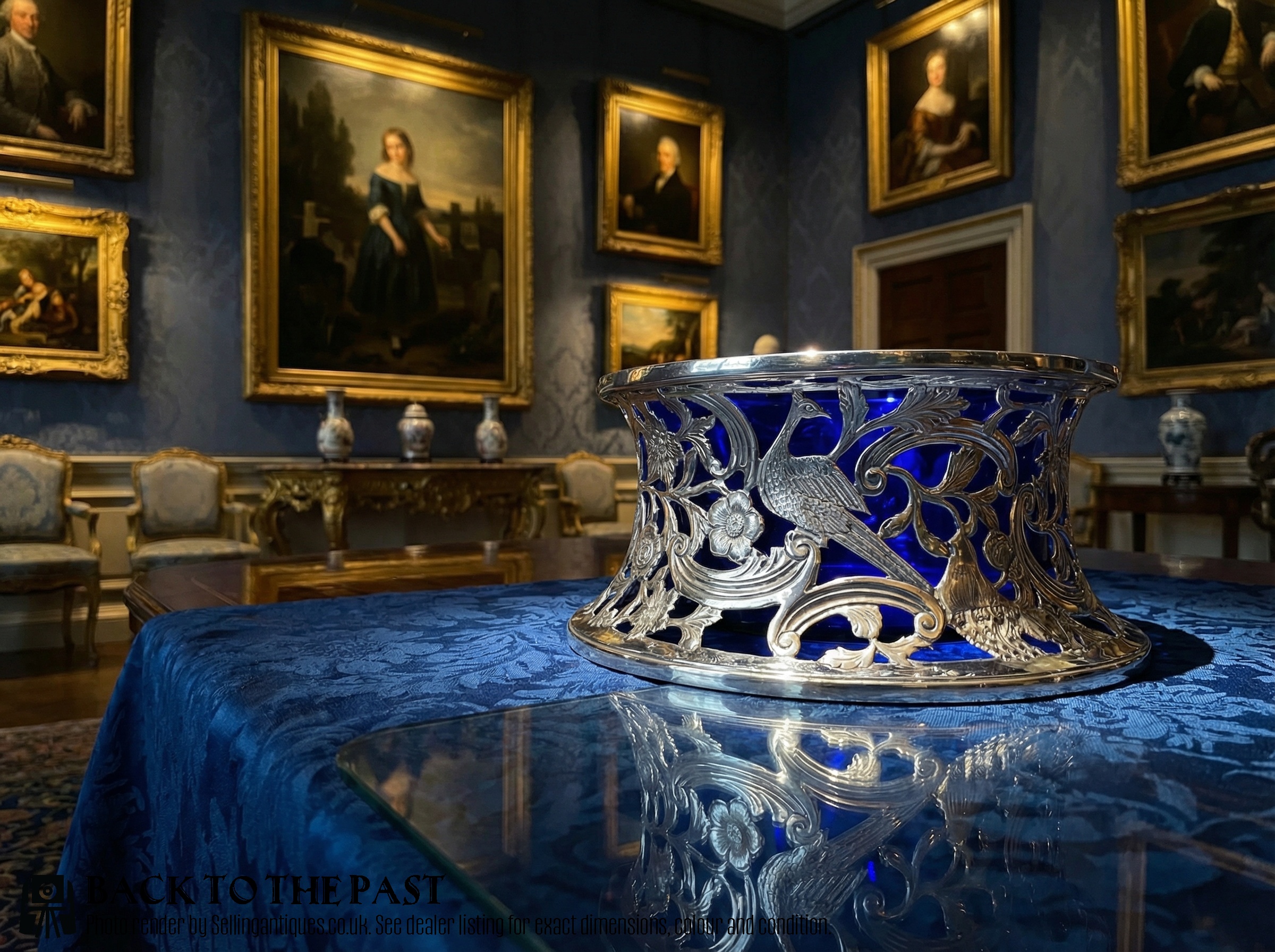
Repousse Silver Dish Ring
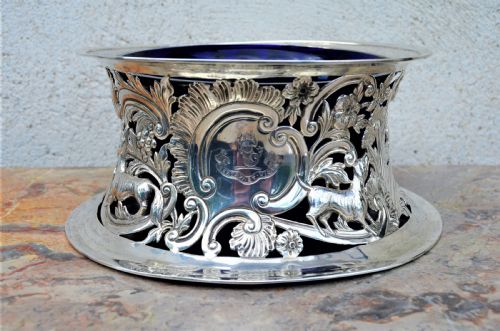
A repousse silver dish ring is a decorative stand designed to elevate bowls and dishes on the dining table, originating in historical forms like the Irish dish ring or potato ring. You will most frequently encounter Edwardian and Victorian iterations when browsing this category.
The objects seen here span styles such as Georgian Revival and 19th Century French alongside British Edwardian and Victorian periods. They often share display space with related tableware and small silver vessels like trinket boxes and wine tasters.
How they were made
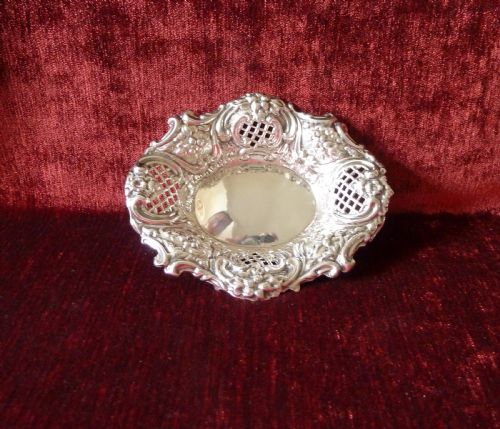
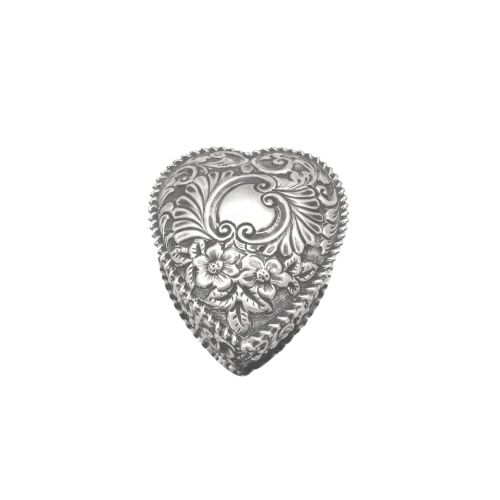
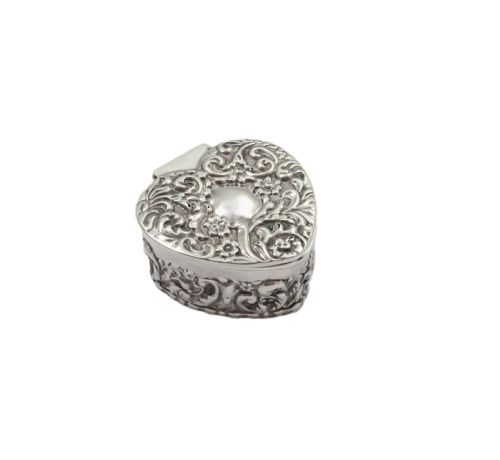
Makers shaped these pieces from sterling silver and standard silver using traditional metalworking techniques. The characteristic decoration relies on repousse work, pressing and hammering the metal from the reverse side to form raised relief designs.
Relief motifs such as cherubs frequently emerge from the surface ornamentation, showcasing the dexterity of silversmiths working during the late nineteenth and early twentieth centuries.
Listings in this category span the Victorian and Edwardian periods, featuring sterling silver construction alongside related forms like trinket boxes and wine tasters.
What varies in quality
Quality rests in the crispness and depth of the repousse relief work, where deeply chased motifs demonstrate superior hand skills by the silversmith. Softer or shallower surface patterns indicate a less meticulous execution.
The weight of the solid silver and the clarity of assay office hallmarks contribute significantly to the standing of an individual piece. Defined maker marks and distinct regional symbols elevate the character of the item.
James Hennell·William Neale And Sons
The Repousse Silver Dish Ring Glossary
- Repousse
- A metalworking technique where the artisan hammers and pushes the design from the reverse side to create a raised relief on the front. This method defines the ornamented surface of dish rings and trinket boxes.
- Sterling Silver
- An alloy consisting of pure silver and other metals, usually copper, standardised for durability and fineness. Most British table silver utilises this specific standard.
- Dish Ring
- A hollow, spool-shaped stand historically placed on the dining table to protect surfaces from hot dishes or to hold bowls. They are also known as potato rings.
- Hallmark
- An official stamp applied by an assay office indicating the purity of the metal, the place of origin, and the year of testing. These marks help date pieces accurately to periods such as the Edwardian era.
Repousse Silver Dish Ring: Frequently Asked Questions
What is a repousse silver dish ring used for?
These rings served primarily as decorative stands on dining tables to support bowls or dishes. They held fruit or hot serving vessels, keeping them elevated above the polished wood of the table.
Over time, many of these pieces transitioned into purely decorative display items within the home. Their intricate pierced and hammered designs made them focal points for sideboards and cabinets.
How do I date a silver dish ring?
Dating relies heavily upon the stamped assay hallmarks found on the silver. These official marks indicate the specific assay office and the year the piece was tested.
Stylistic cues such as Georgian Revival motifs or Edwardian manufacturing traits also assist in narrowing down the era of production.
Are dish rings the same as potato rings?
Yes, dish rings are frequently referred to as potato rings due to their historical use in Ireland holding potato bowls at the table. Both terms describe the same spool-shaped hollow vessels.
The form evolved across the eighteenth century and saw revivals well into the Victorian and Edwardian periods.
How should I clean antique silver dish rings?
Cleaning requires a soft microfibre cloth and a mild, non-abrasive silver polish formulated for antiques. Vigorous scrubbing should be avoided to protect the delicate raised repousse relief work.
Preserving the natural patina is often preferred by collectors, so light dusting and minimal polishing maintain the historic character best.