




Silver Decorative Bowl
A silver decorative bowl brings weight and gleam to a room, shifting easily from Edwardian ceremony to Art Deco restraint.

Understanding silver decorative bowls
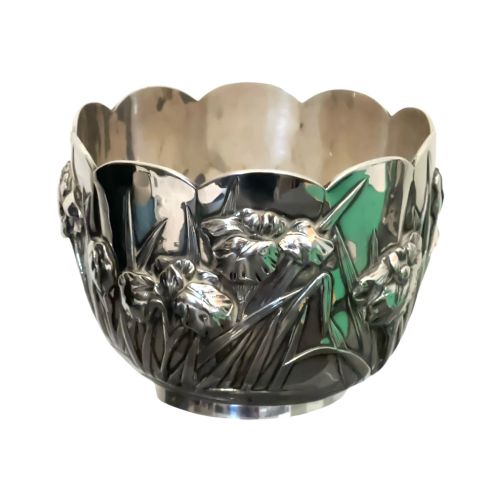
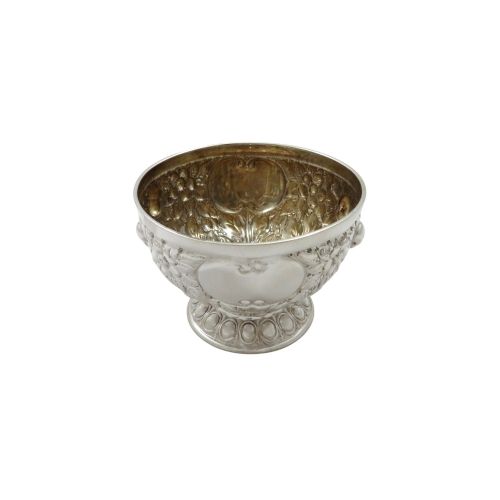
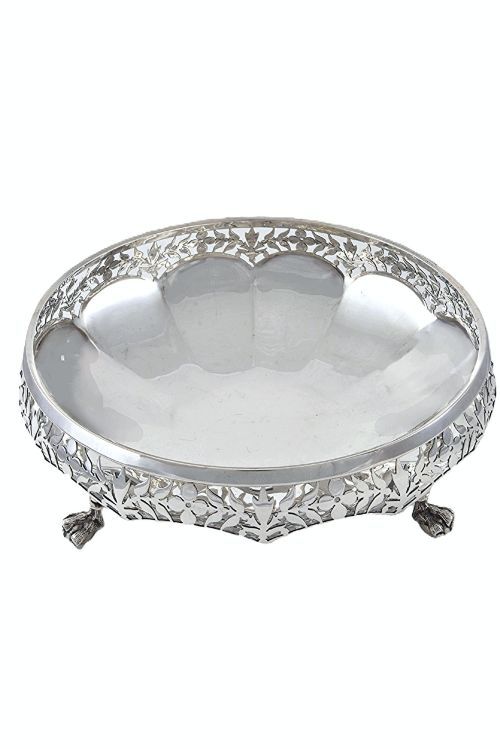
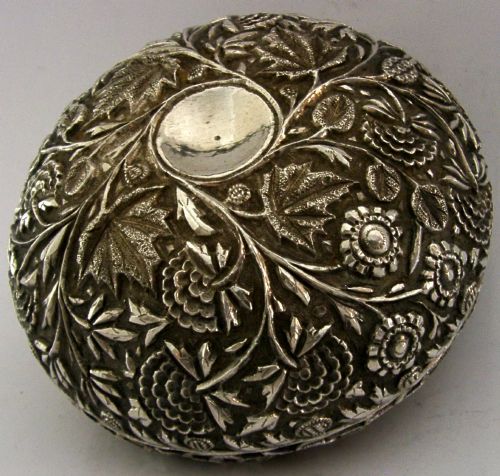
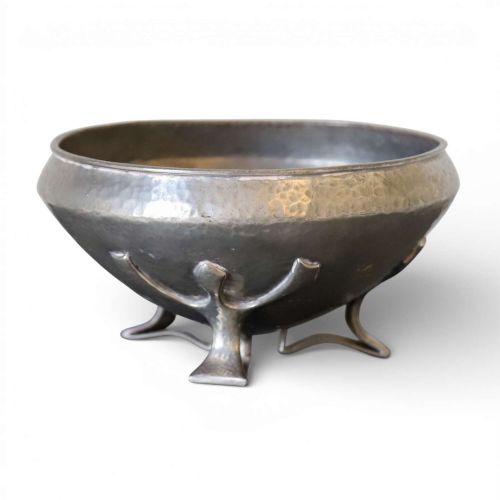
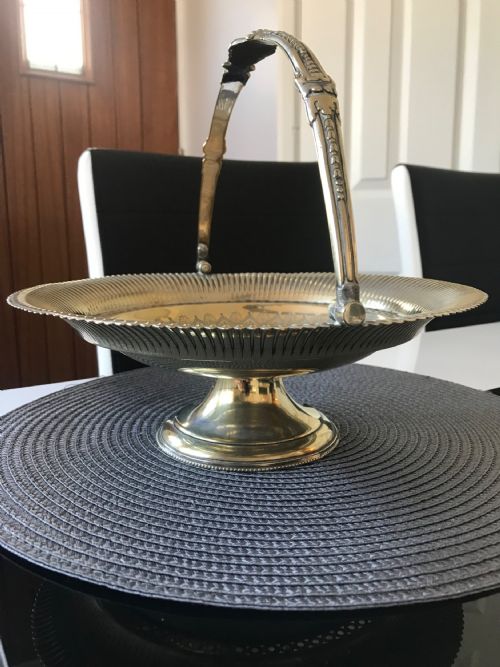
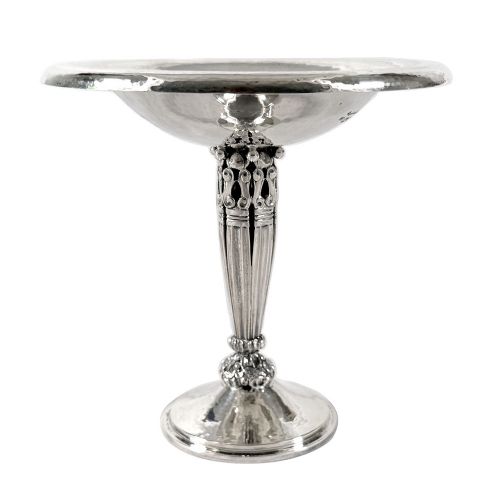
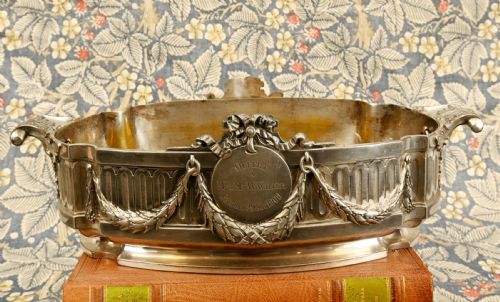
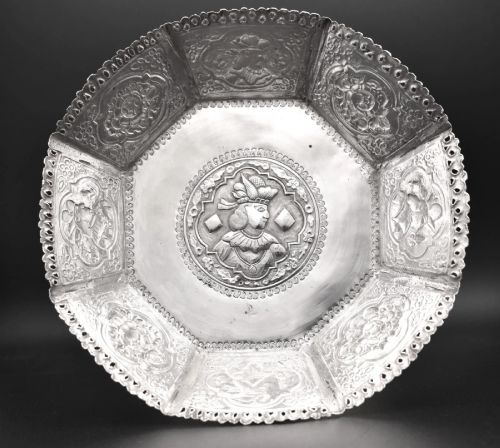
A silver decorative bowl spans several distinct forms on this page, including tazzas, planters, handled trophy pieces, and low dishes. The selection leans heavily toward nineteenth century and Edwardian pieces, alongside occasional 1930 examples.
Makers ranged from individual silversmiths to major firms like Tiffany and Company, producing items intended for display, dining, or presentation. Buyers encounter everything from small twin-handled vessels to large centrepieces paired with glass liners or oak mounts.
The styles shift across the decades, moving from Victorian and Neo-Classical ornamentation to Scandinavian Revival and clean Art Deco lines. These objects reflect the changing tastes of households that valued polished metal for formal tables and mantelpieces.
Materials and construction methods
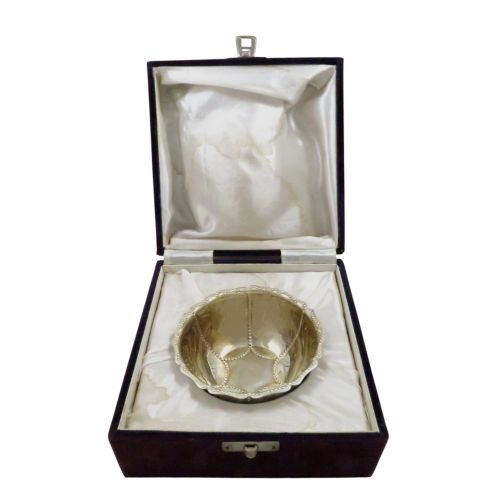
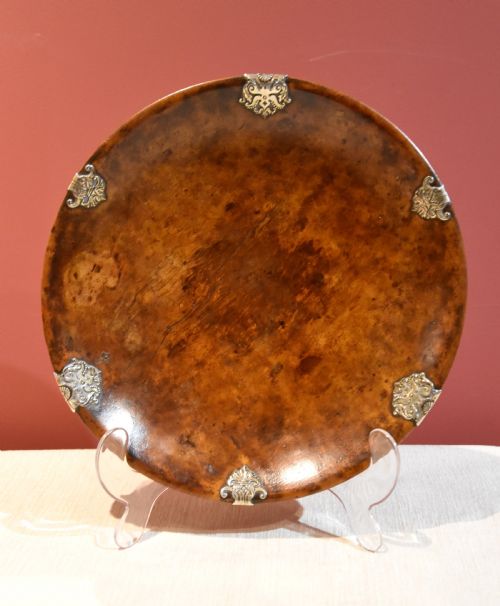
Makers relied on sterling silver and silver plate, sometimes combining the metalwork with ruby glass liners, satin, leatherette cases, or English oak mounts. Construction methods involved casting, hammering, and assembly by skilled silversmiths working within established workshops.
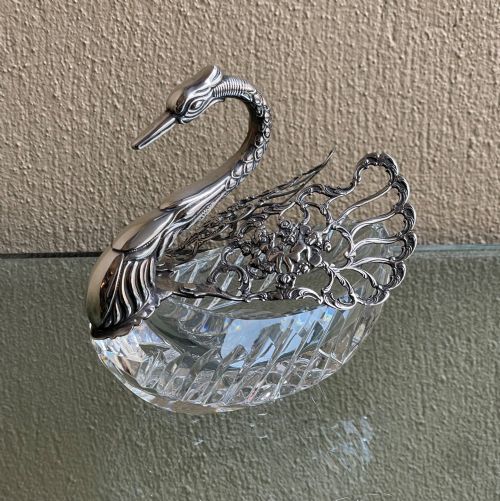
Details such as cast swan handles, nautical motifs, and Masonic engraving demonstrate the high level of craftsmanship applied to these utilitarian and display objects. Surfaces were often polished to a high shine or finished with subtle textural contrasts.
Retail Price Guide 2026
Typical UK retail prices for silver decorative bowl, calculated from the Sellingantiques database of over a million retail prices indexed since 2003. This retail price guide relies exclusively on Sellingantiques data; no external sources or auction records are used, so the figures do not describe the wider market.
Listings feature sterling silver and silver plate alongside mixed materials including satin, leatherette, and ruby glass.
Distinctions in quality
Quality rests in the crispness of the casting, the weight of the metal, and the integrity of any secondary materials like glass or wood. Pieces bearing the mark of notable makers command greater attention due to the precision of their design and execution.
The refinement of decorative motifs, from Neo-Classical swags to Art Deco geometric planes, separates standard commercial items from exceptional works of silver smithing. Balance and proportion within the form dictate the visual success of each bowl.
Charles Boyton·Tiffany and Company
The Silver Decorative Bowl Glossary
- Sterling silver
- A standard alloy consisting of ninety-two point five percent silver by mass, with the remainder being other metals such as copper. This composition provides durability while maintaining a bright metallic lustre.
- Silver plate
- A layer of silver applied to a base metal core, such as copper or nickel brass. This technique allowed makers to produce large decorative pieces at a more accessible cost.
- Tazza
- A small, stemmed cup or shallow bowl raised on a foot, commonly used for serving fruit or sweets on formal dining tables. The elevated form creates a distinct vertical presence.
- Jardiniere
- An ornamental pot or stand designed to hold growing plants or floral arrangements. These vessels often served as large centrepieces on dining tables.
- Neo-Classical
- A style inspired by the classical art and architecture of ancient Greece and Rome, characterised by symmetry, straight lines, and classical motifs. It appears frequently in nineteenth-century decorative metalwork.
Frequently Asked Questions
What were silver decorative bowls used for?
These bowls served multiple functions in period homes, ranging from dining table centrepieces for fruit and flowers to presentation pieces for societies and clubs. Some items held specialised inserts like glass liners for sauces or plants.
Over time, their roles shifted from practical dining accessories to purely decorative objects displayed on sideboards, mantels, and tables to catch the light.
How do I care for a silver bowl?
Regular dusting with a soft, lint-free cloth helps prevent dust accumulation on polished surfaces. When tarnishing occurs, use a reputable silver polish applied gently with a sponge, avoiding excessive rubbing on engraved details.
Store pieces away from direct sunlight and damp environments, and keep them separate from rubber or certain plastics that can accelerate tarnishing of the metal.
How can I tell a Victorian bowl from an Edwardian one?
Victorian pieces often feature heavier ornamentation, elaborate cast handles, and detailed Neo-Classical or naturalistic motifs. The craftsmanship reflects the industrial and artistic confidence of the nineteenth century.
Edwardian items tend toward lighter, more restrained designs or specific commemorative themes, such as Masonic presentation pieces, reflecting the tastes of the early twentieth century.
What is the difference between sterling and silver plate?
Sterling silver is solid metal meeting a strict purity standard, typically marked with hallmarks indicating its composition and origin. It carries greater intrinsic value and develops a deep patina over generations of handling and cleaning.
Silver plate consists of a thin coating of silver over a base metal foundation. It allowed Victorian and Edwardian manufacturers to produce grand decorative items like large centrepieces and planters at a fraction of the cost.