
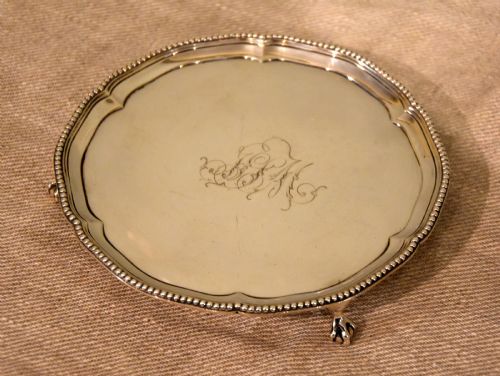
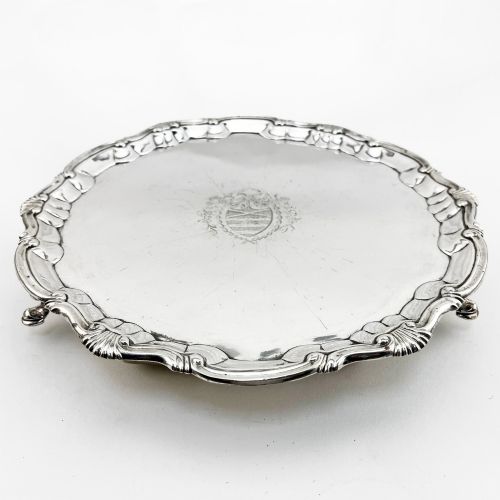

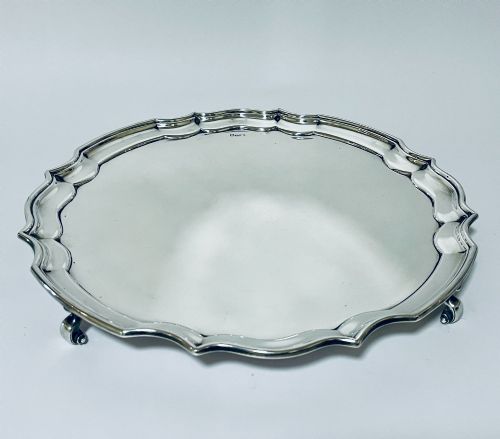
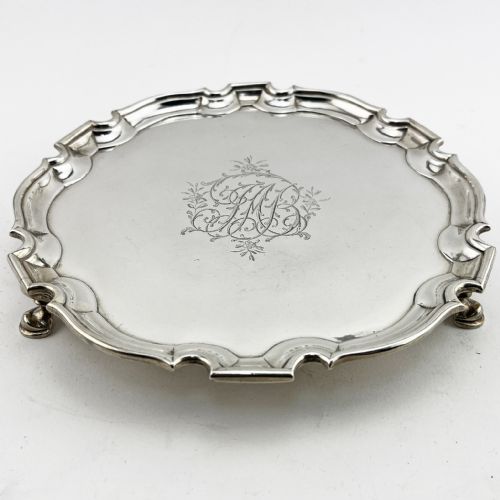
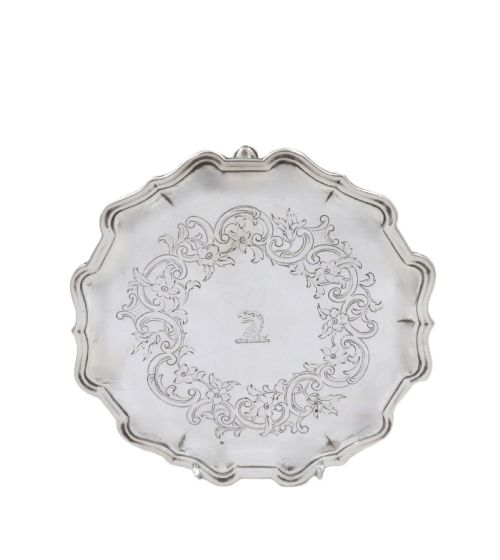


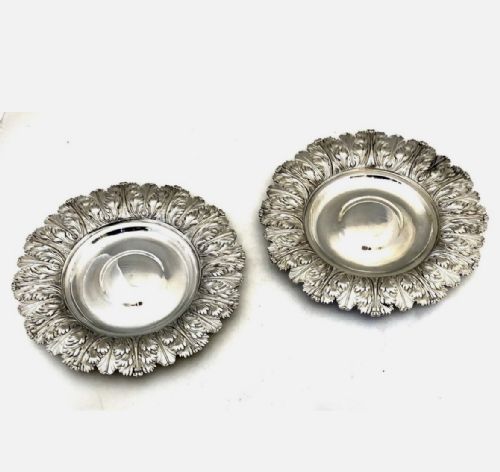


Georgian Sterling Silver Waiter
A georgian sterling silver waiter is a small serving tray crafted in precious metal, offering refined elegance for drinks and cards.
Georgian Sterling Silver Waiter
When searching for a georgian sterling silver waiter, collectors examine small silver trays and salvers originating from the eighteenth and nineteenth centuries. These pieces appear in various forms including card trays, teapot stands, and alms dishes made in sterling silver.
The versions most commonly met on this page span the Georgian period alongside George III and George IV styles, often featuring origins from English, Irish, Scottish, and Sheffield makers. Such items function as historical serving pieces suitable for display and daily use.
How They Were Made
Silversmiths utilised sterling silver to shape these trays, employing traditional hammering and casting techniques to achieve the desired form. Assay office hallmarks stamped into the metal recorded the year, city, and standard of silver purity.
Details such as raised borders, shaped rims, and engraved surfaces demonstrate the manual skill applied by period craftsmen. Workshops utilised casting for feet and handles, attaching them securely to the main body of the tray.
Listings feature sterling silver items spanning the Georgian era and the nineteenth century, including specific pieces from Sheffield, Scottish, and Irish makers.
What Varies in Quality
The distinction between standard pieces and finer examples rests upon the heaviness of the gauge of silver and the crispness of the chasing or engraving. Pieces bearing clear hallmarks and the mark of a known maker command greater attention from collectors.
Proportion, balance, and the elegance of the supporting feet further separate ordinary domestic items from superior studio productions. Surface preservation and the absence of clumsy repairs dictate the overall integrity of a waiter.
S.C. Younge and Co.·William Garrard·Samuel Hennell·James Fray·Paul Storr
The Georgian Sterling Silver Waiter Glossary
- Waiter
- A small silver tray used for serving glasses, letters, or visiting cards. These pieces typically rest upon small feet.
- Salver
- A flat plate or tray of precious metal used for serving food or drink. The term often applies to larger examples of similar form.
- Hallmark
- An official stamp applied by an assay office to indicate the metal standard, origin year, and maker. This mark verifies the authenticity of silver items.
- Paten
- A small plate used in ecclesiastical contexts, occasionally sharing form with secular card trays and dishes. These items appear in early silver collections.
- Alms dish
- A metal basin used for collecting offerings in a church setting. Such vessels often display detailed chased decoration.
Georgian Sterling Silver Waiter: Frequently Asked Questions
What is a georgian sterling silver waiter used for?
These small silver trays served refreshments, such as wine and tea cups, in wealthy households.
They also held visiting cards and letters presented by servants in formal entryways.
How do I identify a Georgian piece?
Examine the stamped hallmarks on the underside to find assay office symbols and date letters corresponding to the reigns of the Georges.
Style indicators include proportions and decorative motifs typical of eighteenth and early nineteenth century design.
Can I use these trays today?
Sterling silver stands up well to careful daily use when cleaned with appropriate non-abrasive polishes.
Many owners utilise them on sideboards or desks to hold small everyday items.
What differentiates a waiter from a salver?
Waiters generally refer to smaller trays designed for handheld service or card presentation.
Salvers often describe larger display trays meant to remain stationary on a table or sideboard.