


Georgian Silver Centrepiece
A georgian silver centrepiece brings grand dining to the table, combining weighty sterling silver or old sheffield plate with cut glass.
Georgian Silver Centrepiece
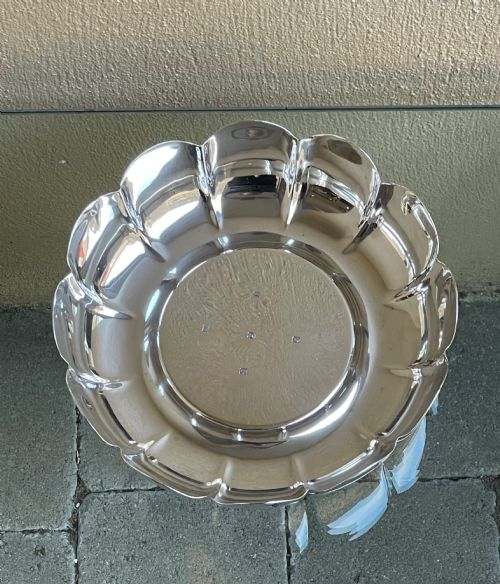
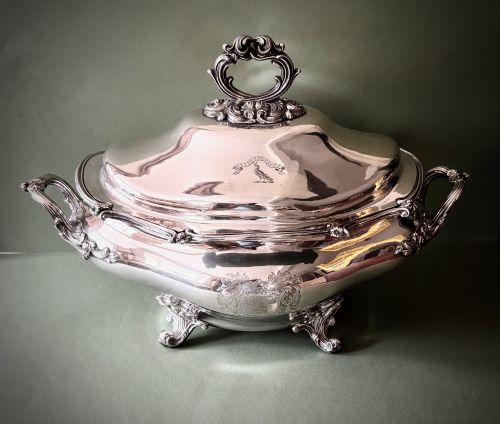
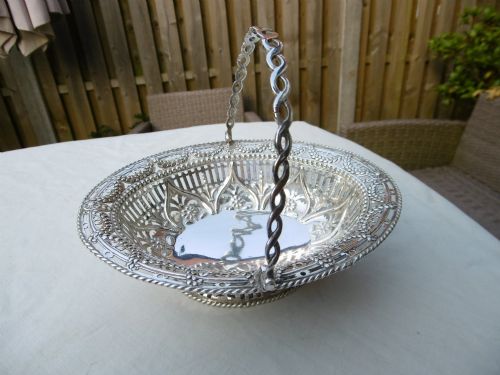
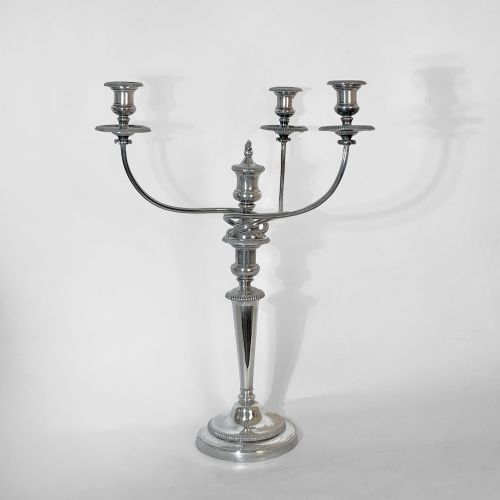
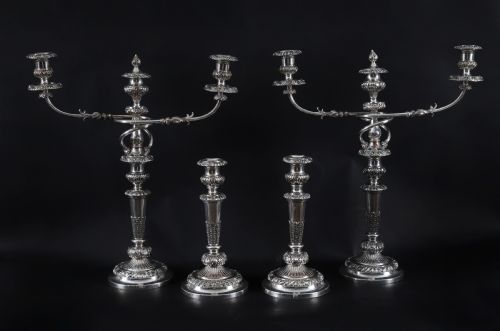
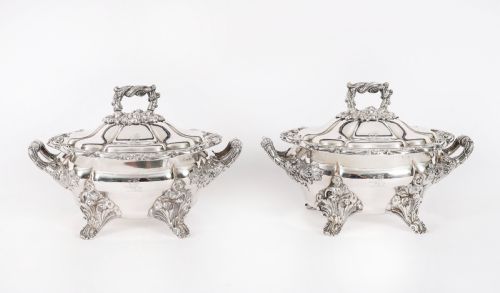
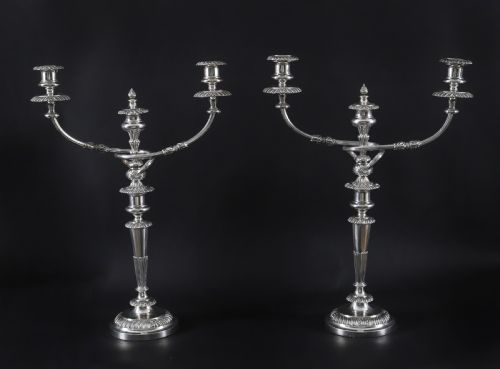
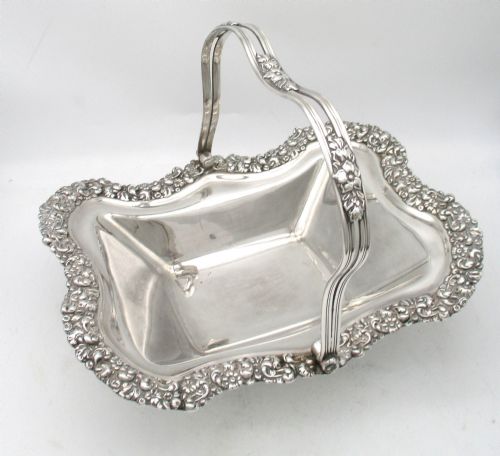
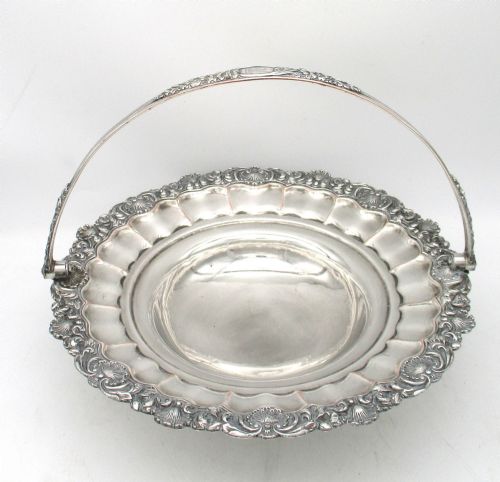
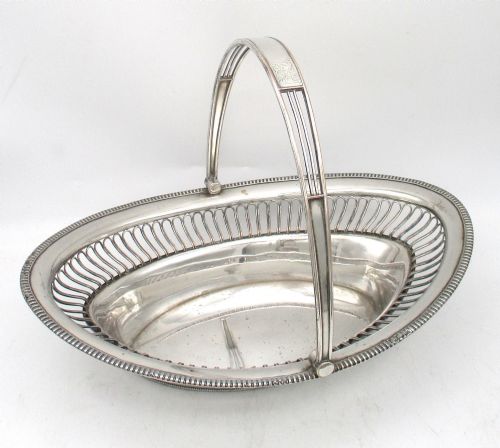
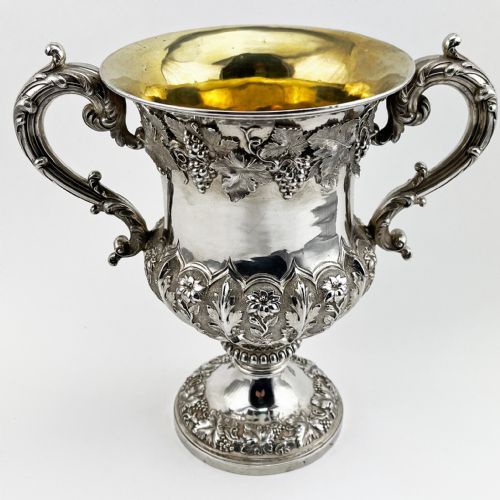
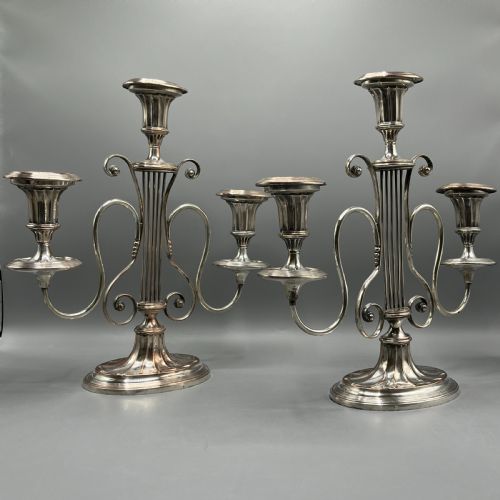
A georgian silver centrepiece covers a diverse group of large table items designed to sit in the middle of a dining table. The pieces found here range from elaborate multi-light candelabra and massive tureens to swing-handled bread baskets, wine coolers, and cruet sets.
The objects span multiple periods and styles, with genuine eighteenth and nineteenth-century pieces sitting alongside later revivals from the twentieth century. Old Sheffield plate and sterling silver form the backbone of these selections, often paired with cut or cobalt glass and copper elements.
Buyers will encounter grand suites, individual platters, and towering epergnes that reflect formal dining customs of the georgian era and beyond. Each surviving piece demonstrates the heavy metalwork and decorative styles associated with George III, Regency, and William IV periods.
How They Were Made
Makers utilised sterling silver and old sheffield plate, fusing copper and silver layers together to create durable yet lustrous table objects. Wirework techniques, pierced lattice designs, and cast mounts required skilled manual labour from silversmiths and platers.
Candelabra and epergnes often combined multiple branches, removable nozzles, and weighted bases to maintain balance on dining tables. Details such as gilt interiors, known as vermeil, and hand-cut glass inserts added rich colour contrasts to the polished metal surfaces.
Listings feature sterling silver, old sheffield plate, and copper items spanning from the eighteenth century through to twentieth-century revivals.
What Varies in Quality
The crispness of chased and pierced decoration separates standard items from exceptional examples. Deeper hand-engraving and well-defined rococo or adam style motifs indicate superior workshop output.
Original matching components, such as correct cut glass inserts and complete sets of bottles in cruet frames, elevate the integrity of a piece. The thickness of the silver layer on sheffield plate items also dictates long-term durability and resistance to base metal showing through.
Matthew Boulton·John Hunt·Samuel Herbert·George Fox·John Walton·James Dixon And Sons
The Georgian Silver Centrepiece Glossary
- Old Sheffield Plate
- A composite material made by fusing a thin sheet of silver to a thicker copper core. This technique was widely used before electroplating became common in the nineteenth century.
- Epergne
- A large ornamental centrepiece featuring a central dish or basket surrounded by smaller hanging baskets or arms for sweetmeats and fruit. They dominated formal dining tables during the georgian period.
- Vermeil
- Sterling silver coated with a thin layer of gold. It provides a rich yellow finish often seen on the interior of baskets and pedestal dishes.
- Tureen
- A deep covered dish used for serving soups, sauces, or vegetables. These items often feature decorative handles and rest on matching trays or feet.
- Cruet Set
- A matched collection of glass bottles fitted into a metal frame for holding condiments, oil, and vinegar at the table.
Georgian Silver Centrepiece: Frequently Asked Questions
What is a georgian silver centrepiece used for?
These large items served practical and decorative functions on formal dining tables during the eighteenth and nineteenth centuries. They held food, sauces, fruit, or provided illumination through mounted candles.
Over time, their roles shifted from active dining service to decorative centrepieces for sideboard display and interior decoration in formal rooms.
How do I clean old sheffield plate?
Old sheffield plate requires gentle cleaning with non-abrasive silver polishes to protect the thin outer layer of silver. Scrubbing too hard can expose the underlying copper base.
Using soft cloths and dedicated silver cleaning agents preserves the original patina and highlights the detailed wirework or engraved crests.
How can I tell the period of a candelabrum?
Stylistic indicators such as neoclassical motifs, rococo scrolls, or wirework construction help identify the manufacturing era. Maker marks and hallmarks stamped on the metal provide precise dates and origins.
Construction methods, including how the branches attach to the central column, also point toward specific manufacturing decades between the eighteenth and twentieth centuries.
Are these pieces suitable for daily use?
While sturdy enough for occasional display and careful use, antique silver and plated items require thoughtful handling. Acidic foods should not be left in silver or plated vessels for extended periods.
Hand washing with mild soap and immediate drying keeps the metal surfaces stable without risking damage to historic joints and soldered components.