


Floral Silver Centrepiece
These floral silver centrepiece designs bring Victorian and Edwardian tables to life with elaborate botanical motifs.
Floral Silver Centrepiece
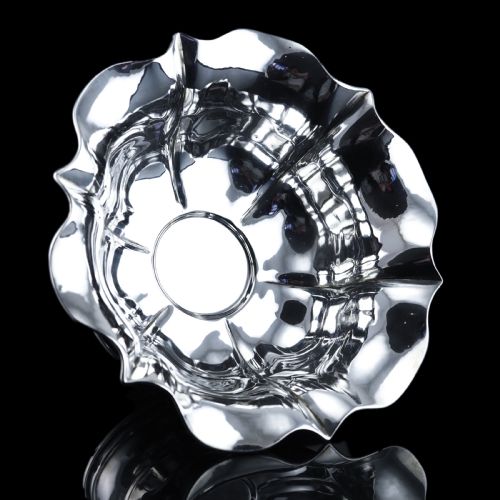
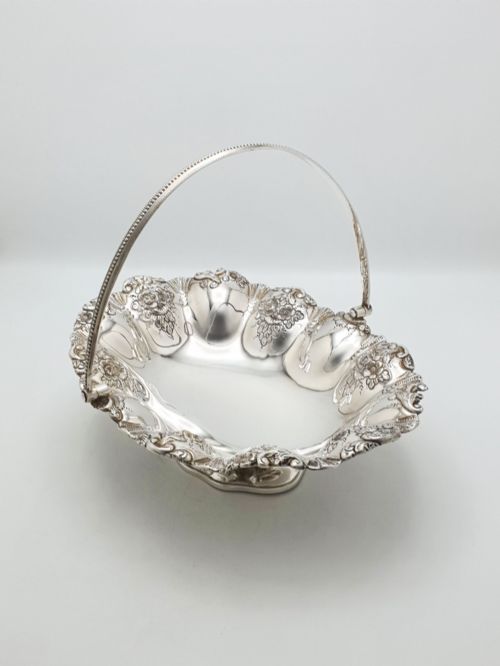
A floral silver centrepiece forms the dramatic focal point of a formal table setting, drawing the eye with intricate botanical forms and gleaming metallic surfaces. When you search for a floral silver centrepiece, you encounter a variety of forms ranging from deep decorative bowls and baskets to platters and epergnes.
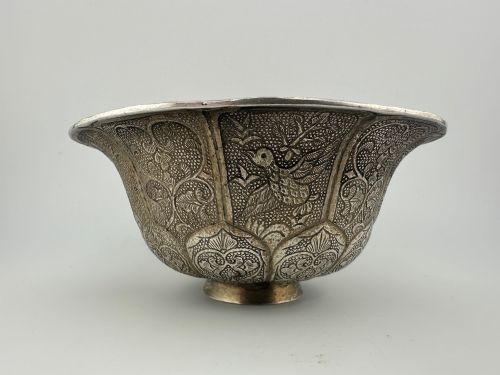
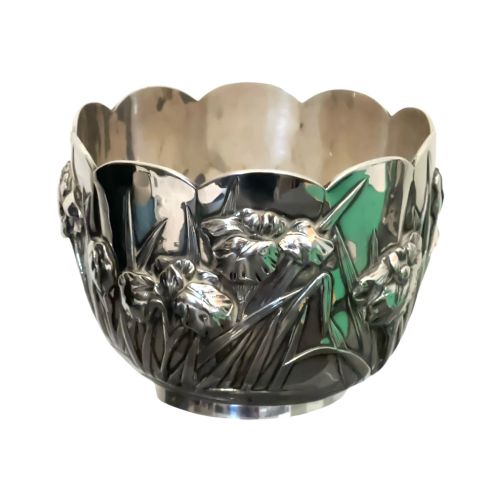
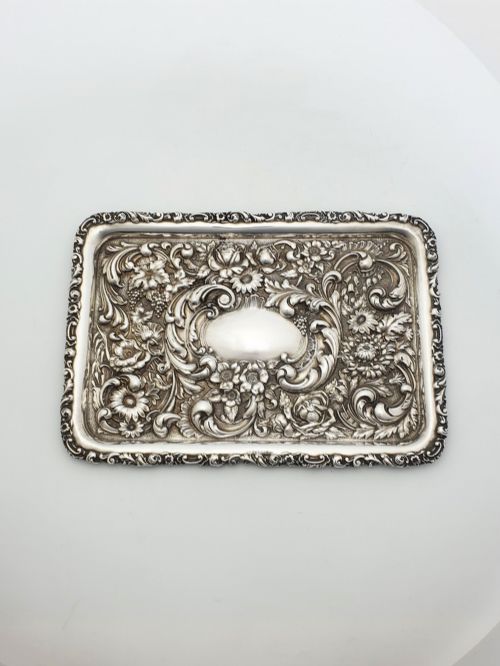
The pieces appearing on this page span the Victorian, Edwardian, and early twentieth-century periods, showcasing distinct regional interpretations from British workshops to Chinese Export and Austro-Hungarian makers. Bowls and trays dominate the selection, frequently enhanced by repoussé floral rims or engraved botanical scenes.
Materials and Techniques
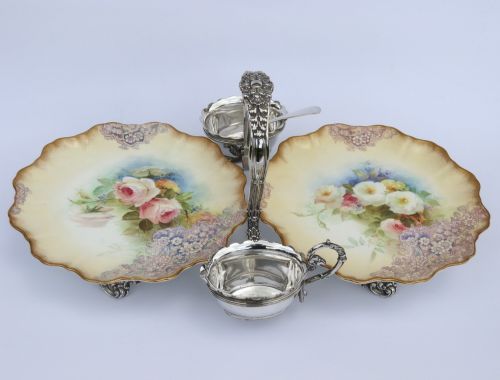
Silversmiths utilised sterling silver, solid silver, and silver plate over base metals, shaping the material through hammering, casting, and spinning. Many items incorporate glass or porcelain elements, such as iridescent glass vases or hand-painted Doulton Burslem plates paired with silver-plated dessert sets.
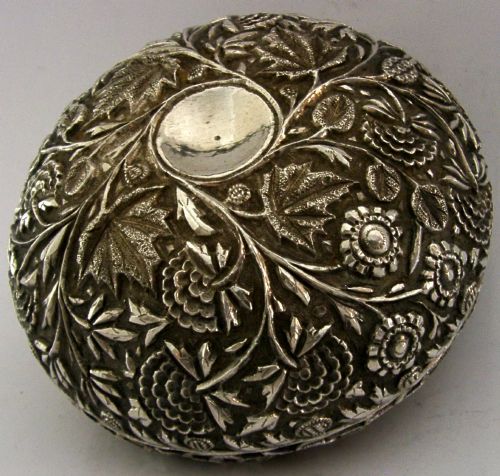
Repoussé and chasing techniques define the surface decoration, pushing and punching the metal from reverse and front to create raised floral motifs, birds, and scrolls. Etching and engraving add fine detail to trays and serving dishes, while white metal and nickel silver provide alternative bases for Asian and continental export pieces.
Early twentieth-century dining rooms relied on these glittering bowls to bounce candlelight into guests' eyes, ensuring nobody dozed off during the roast.
Assessing Quality and Execution
Depth and clarity of the repoussé work separate exceptional pieces from simpler press-moulded items, with hand-chased botanical details showing distinct individual tool marks rather than uniform machine repetition. The weight and gauge of the silver or silver plate dictate the physical substance of the object and its resistance to denting over decades of use.
The integration of mixed materials, such as combining high-grade sterling silver with iridescent Loetz glass or hand-painted porcelain, demonstrates ambitious design and superior workshop collaboration. Maker marks and hallmarks provide further distinction, identifying established firms like Walker and Hall alongside specialised regional silversmiths.
Walker and Hall·Loetz Witwe·Doulton Burslem
The Floral Silver Centrepiece Glossary
- Repoussé
- A metalworking technique where the artisan hammers the design from the reverse side to create a raised relief pattern on the front. This method creates the tactile floral and bird decorations seen on Victorian and Edwardian bowls.
- Sterling silver
- An alloy consisting of pure silver and other metals, usually copper, meeting a specific standard of purity. Items bearing this designation contain a high proportion of precious metal.
- Silver plate
- A manufacturing process where a thin layer of silver is bonded to a base metal such as copper, nickel silver, or white metal. This technique offered an accessible alternative to solid silver for large dining table accessories.
- Epergne
- An elaborate table centrepiece featuring a central bowl or basket surrounded by multiple smaller arms, dishes, or vases. Pearlescent glass and silver versions are typical of the Edwardian era.
- Chasing
- The complementary technique to repoussé, executed from the front side to refine details, push back background metal, and sharpen the contours of floral motifs.
Floral Silver Centrepiece: Frequently Asked Questions
How were centrepieces used on dining tables?
Dining hosts utilised these large decorative items to anchor the visual composition of formal tables, often filling bowls with fresh flowers, fruit, or floating blossoms. They sat prominently in the middle of the dining arrangement during extended dinner parties.
Over time, their roles shifted from practical service vessels for desserts and fruit to purely decorative display objects that highlighted the craftsmanship of the silversmith.
How do I care for silver centrepieces?
Regular, gentle dusting with a soft microfibre cloth prevents the accumulation of particulate matter on intricate repoussé surfaces and engraved recesses. When tarnish develops, use a specialised silver polish formulated to protect delicate platings and solid metal alike.
Avoid harsh abrasive cleaners or prolonged immersion in chemical dips, particularly on pieces that combine silver with fragile glass or hand-painted porcelain components.
What defines Edwardian centrepiece style?
Edwardian pieces favour lighter, airier interpretations of historical motifs, drawing heavily on Rococo revival scrolls alongside naturalistic floral garlands. The era embraces pearlescent glass, openwork silver baskets, and slender epergnes designed to reflect gas and electric dining room lighting.
Craftsmen balanced ornate repoussé borders with smooth, polished centres, creating items that felt less heavy than their Victorian predecessors while maintaining formal elegance.
How can I distinguish solid silver from plated items?
Examine the piece closely for official hallmark stamps, which on British and Austro-Hungarian items typically indicate sterling or solid silver standards. The absence of hallmarks combined with base metal showing through worn high points usually points toward silver plate.
Weight, temperature to the touch, and the specific ring of the metal also offer clues, though hallmarks remain the most reliable indicator of composition.