




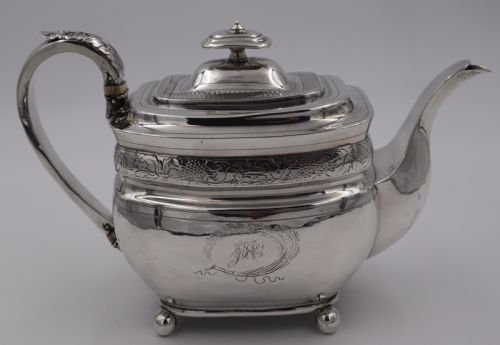


Newcastle Sterling Silver
Newcastle sterling silver brings robust provincial character to the table, offering sturdy vessels and flatware forged far from London workshops.
Newcastle Sterling Silver
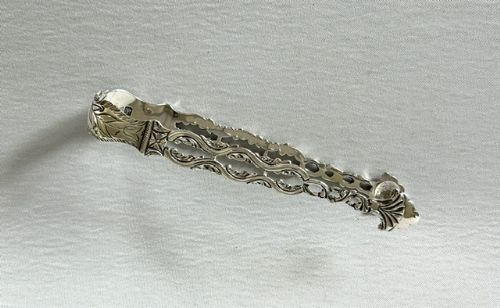
When you search for newcastle sterling silver, you encounter substantial provincial plate, hollowware, and flatware spanning the Georgian and Victorian eras. These items include tea pots, tankards, coffee pots, and sugar tongs bearing the distinct hallmarks of the northern assay office.
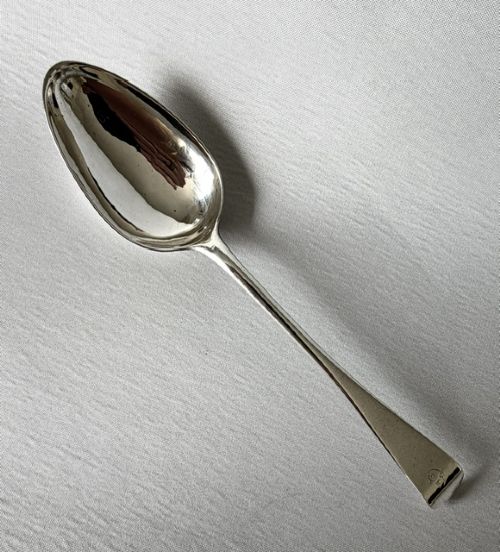
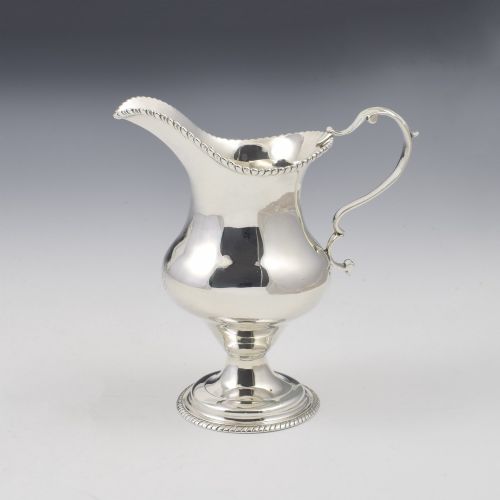
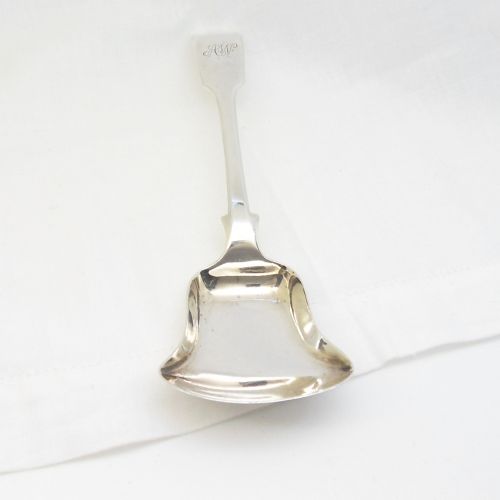
The objects appearing on this page range from early eighteenth-century tankards down to mid-nineteenth-century flatware and christening mugs. Teapots, serving spoons, and cream jugs dominate the selection, reflecting the domestic habits of wealthy northern households.
How they were made
The silversmiths shaped these solid sterling silver pieces through hammering, casting, and piercing. Heavy items such as tankards and coffee pots required thick sheets of metal raised on a stake, whilst smaller items like sugar tongs utilised cast and pierced components.
Wood occasionally appeared in association with metal work, notably in insulated handle sockets on teapots and coffee pots. Engraving frequently decorated surfaces with family crests and floral motifs.
Newcastle Sterling Silver Retail Price Guide 2026
Typical asking prices for newcastle sterling silver among the pieces listed under this phrase on Sellingantiques today, from the lower quarter to the upper quarter. They describe what is for sale here now, not the wider market.
An eighteenth-century silversmith once managed to pierce a pair of silver tongs so delicately they resemble lace rather than metal.
What varies in quality
Quality rests upon the crispness of the town mark and maker's stamp, alongside the overall gauge of the silver. Thicker metal resists denting and retains the original sharpness of chased or engraved detailing.
The proportion and balance of hollowware, such as presentation cups and tankards, distinguish superior workshops from standard provincial production. Well-preserved maker marks increase historical clarity.
Stalker and Mitchison·John Walton·George Murray
The Newcastle Sterling Silver Glossary
- Assay office
- The official body responsible for testing the purity of precious metals and stamping them with hallmarks. Newcastle maintained its own active assay office for provincial silversmiths.
- Hallmark
- A series of official marks stamped onto silver articles to guarantee the metal standard. These typically include the town mark, maker's mark, and date letter.
- Provincial silver
- Plate manufactured and marked outside of London, such as in Newcastle. Collectors value these pieces for their regional distinctiveness.
- Hollowware
- Vessels such as tankards, teapots, coffee pots, and jugs designed to hold liquids or dry goods. They require advanced metalsmithing techniques to raise from a flat sheet.
- Cast silver
- Molten silver poured into a mould to form solid decorative elements like sugar tongs or handle mounts. This method allows for intricate pierced designs.
Newcastle Sterling Silver: Frequently Asked Questions
How do I identify Newcastle silver?
Look for the three-castle mark, which serves as the principal town mark for Newcastle upon the assay office stamps.
Additional stamps usually accompany this symbol, including the maker's initials and standard sterling marks.
What periods are common for these pieces?
Georgian and Victorian items form the bulk of surviving examples, running from the mid-eighteenth century through the nineteenth century.
Earlier pieces from the seventeen-fifties sit alongside mid-Victorian spoons and christening mugs.
How should I clean antique silver?
Wash pieces gently in warm soapy water using a soft cloth, avoiding harsh abrasive dips that strip the natural patina.
Dry the metal thoroughly with a soft towel to prevent water spots on the surface.
Were these items used daily?
Many hollowware vessels and flatware items saw regular service at dining and tea tables in northern households.
Tankards and presentation cups also served functional roles before entering display collections.