



Silver Tea Pot
A silver tea pot brings tactile weight and enduring craftsmanship to the table, uniting centuries of domestic ritual with solid metalwork.
What the pieces are
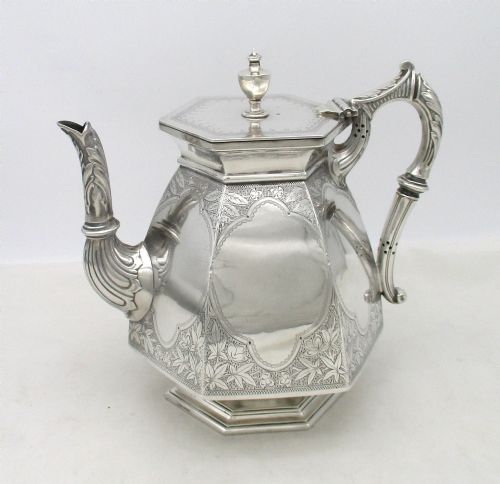
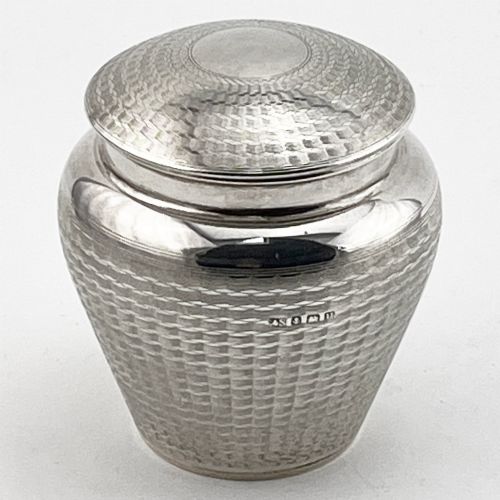
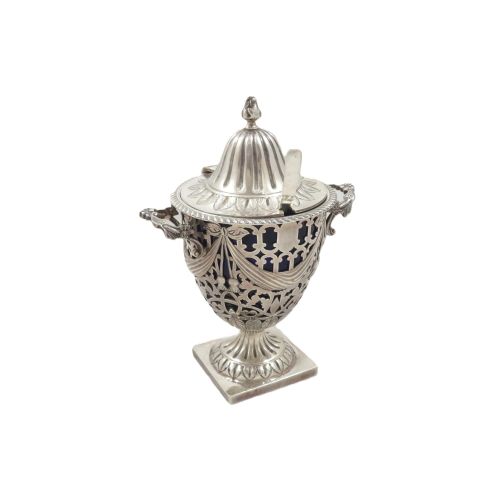
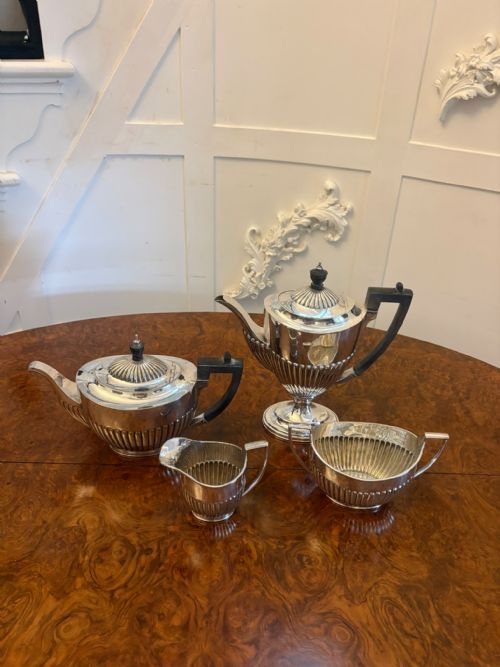
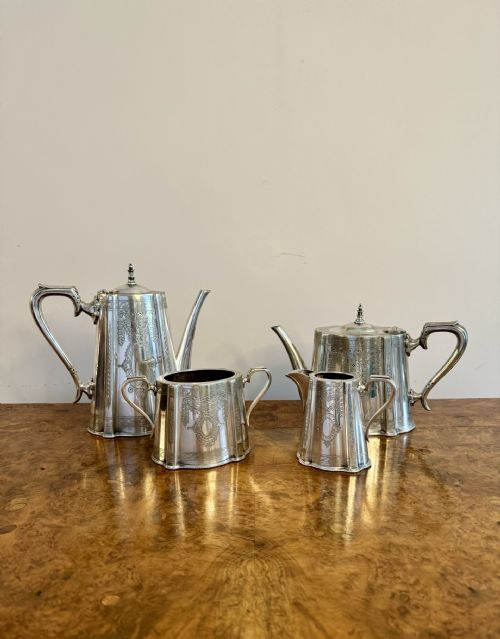
When you search for a silver tea pot, you encounter items shaped by generations of silversmiths, primarily originating from the Georgian and Victorian eras alongside later twentieth-century examples. The selection spans standard teapots and related accessories such as stands, trays, and hot water pots.
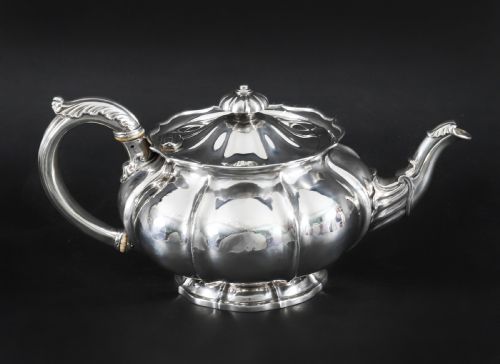
Most pieces you meet on this page hail from the Georgian period, including specific George III and William IV iterations, often fashioned in sterling silver. These forms range from bright-cut engraved bodies to melon shapes adorned with acanthus design, reflecting distinct historical aesthetics.
Alongside purely silver vessels, the evidence includes related tea wares involving glass and wood or bone elements, demonstrating the variety of service pieces historically paired with the central pot.
How they were made
Makers fashioned these vessels primarily from solid sterling silver, hammering, casting, and soldering the metal into complex hollowware forms like melon shapes and octagonal profiles. Silversmiths utilised techniques such as bright-cut engraving to decorate the exterior surfaces with crisp geometric or floral patterns.
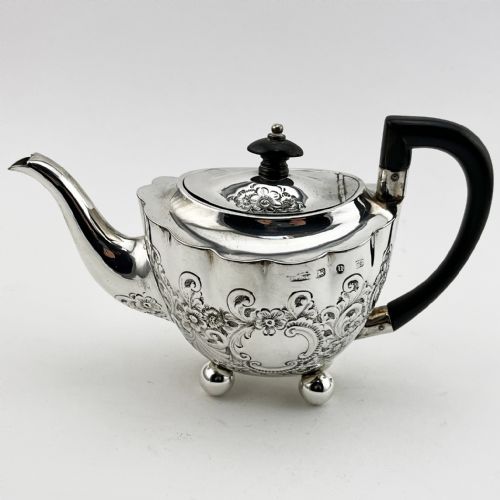
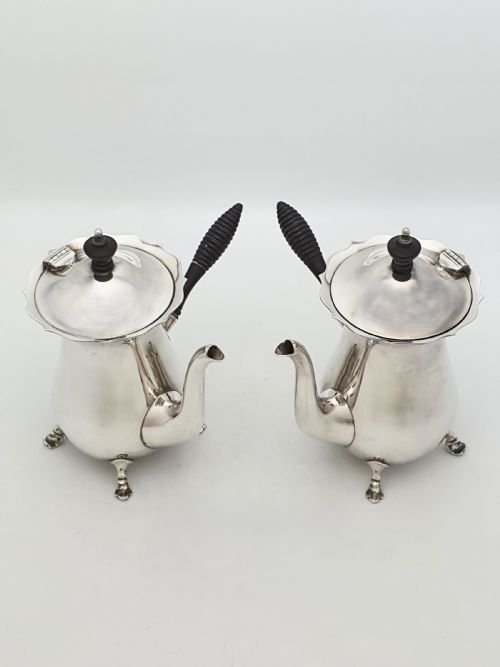
Handles and finials frequently incorporated insulating materials such as wood or bone to prevent heat transfer during use, combining practical necessity with aesthetic contrast against the shining metal body.
Retail Price Guide 2026
Typical UK retail prices for silver tea pot, calculated from the Sellingantiques database of over a million retail prices indexed since 2003. This retail price guide relies exclusively on Sellingantiques data; no external sources or auction records are used, so the figures do not describe the wider market.
Tea drinkers historically employed ornate glass stands mounted in sterling silver to protect fine tabletops from hot spouts and drips.
What varies in quality
The distinction between ordinary and exceptional examples rests upon the ambition of the design and the reputation of the maker's mark stamped into the metal. Master silversmiths working for prominent firms or independently produced pieces with superior weight, crisper hand-chased ornamentation, and harmonious proportions.
Subtleties in execution, such as the sculptural quality of a coronet-like finial or the precision of bright-cut engraving, separate utilitarian vessels from works of genuine silversmithing art.
Paul Storr·Robert Hennell II·Peter and Anne Bateman·Hester Bateman·Martin Hall And Co·Daniel Pontifex·Mappin And Webb
The Silver Tea Pot Glossary
- Sterling silver
- A silver alloy containing substantial pure silver by mass, forming the primary material for high-grade antique tea wares.
- Bright-cut
- An engraving technique utilising faceted cuts to create brilliant reflective patterns across the surface of the metal.
- Finial
- The small decorative knob attached to the lid of the teapot, often shaped as a coronet or cast ornament.
- Hollowware
- Tableware items such as teapots, jugs, and vessels constructed from sheet metal or cast components forming a hollow interior.
- Assay mark
- Official stamps indicating the standard of silver purity, the town of testing, and the date letter assigned to the piece.
Frequently Asked Questions
How do I date a silver tea pot?
You date a silver tea pot by examining the hallmarked assay office marks, maker stamps, and chronological date letters stamped directly onto the metal surface.
Comparing these official registry stamps against historical records reveals the exact year and city of manufacture.
Were these teapots used daily?
Historical silver tea pots served as central fixtures in domestic tea service during the Georgian, Victorian, and later periods.
Their substantial metal construction was intended for regular household hospitality rather than mere display.
What is the difference between George III and Victorian styles?
George III styles frequently display restrained elegance, bright-cut engraving, and classical geometric or vase-like proportions.
Victorian pieces often lean towards heavier, ornate forms, including Louis XV rococo revival motifs and deeply chased acanthus leaf designs.
Why do some teapots have wooden handles?
Makers incorporated wood or bone into handles and lid insulators to prevent heat from transferring to the user's hand while pouring hot tea.
This practical addition also created a pleasing visual contrast against the polished sterling silver body.