



George III Teapot
A george iii teapot brings the elegance of the Georgian tea table straight to hand, offering substantial silver and copper vessels crafted for daily service.
George III Teapot
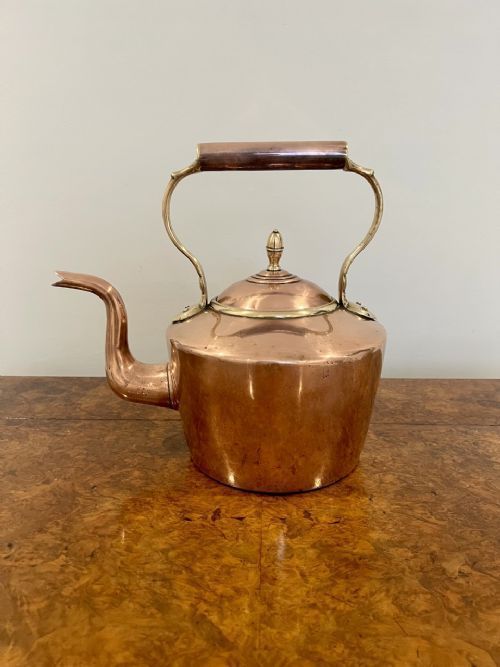
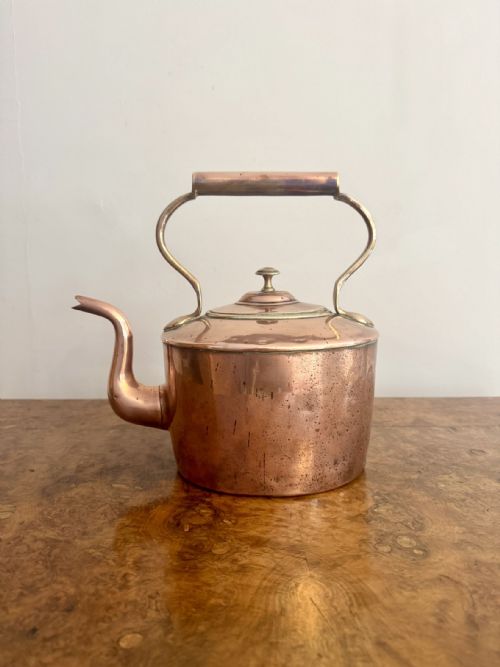
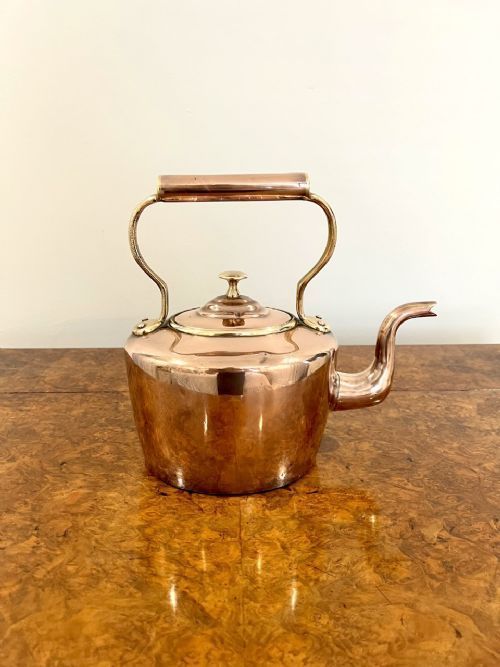
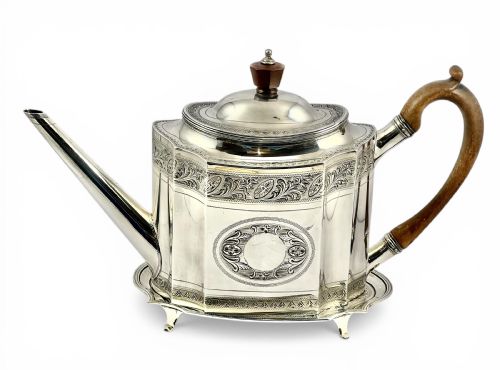
When you search for a george iii teapot, you encounter domestic vessels produced during the Georgian period, predominantly taking the form of silver teapots, copper kettles, and matching stands. These pieces reflect the ritual of tea drinking that dominated the era, shaped in oval and standard forms designed to sit upon the table or hearth.
The most common examples on this page are substantial copper kettles dated around 1800 alongside sterling silver teapots carrying London hallmarks. Alongside these stand individual teapot stands, coffee pots, and occasional ceramic pieces by makers such as New Hall.
Makers fashioned these items in styles ranging from straightforward Georgian utility to Neoclassical and Regency designs. Buyers select them both for their historic material presence and their continued utility in traditional settings.
How they were made
Silversmiths and coppersmiths constructed these objects using sterling silver, copper, and brass, occasionally incorporating pear wood handles for insulation against heat. Metalworkers hammered and shaped sheets into oval forms and raised bodies, integrating bright cut engraving and chased decoration across the surfaces.
Makers marked their output with provincial and London hallmarks, recording assay office towns and makers' initials. Polished copper bodies often feature brass accents, while silver pieces utilise silver gilt details and secure hinged lids.
Materials recorded across these listings include copper, brass, sterling silver, wood, and silver gilt deployed in Georgian and Regency styles.
What varies in quality
The distinction between standard examples and top tier pieces rests on the crispness of the bright cut engraving and the integrity of the original maker's marks. Superior items retain well-balanced proportions in oval forms and feature intact wooden handles without replacement parts.
Weight and gauge of the metal define the substantial feel of a piece, separating domestic utility wares from finer presentation items. Surviving matching components, such as a teapot paired with its original stand, elevate the coherence of the set.
Robert Hennell I·Benjamin Smith·Henry Chawner·Hester Bateman·Peter and Anne Bateman·William Burwash·John Emes·James Mince·Solomon Royes and John East Dix·New Hall
The George III Teapot Glossary
- Bright cut
- An engraving technique utilising faceted cuts to create brilliant geometric and floral patterns that catch the light. This decoration appears frequently on silver teapots from the period.
- Hallmark
- An official stamp applied by an assay office to indicate metal purity, maker, and year of testing. London and provincial marks provide precise dating for silver vessels.
- Silver gilt
- Sterling silver coated with a thin layer of gold on the interior or exterior surfaces. This technique adds richness of colour and protects the base metal.
- Teapot stand
- A small elevated tray designed to protect wooden furniture from the heat of a metal teapot. These stands mirror the oval or geometric form of the main vessel.
- Provincial silver
- Items assayed outside London in regional centres such as Newcastle. These pieces demonstrate distinct regional maker marks and local silversmithing traditions.
George III Teapot: Frequently Asked Questions
Are these teapots safe to use for daily tea?
Many silver teapots and copper kettles remain structurally sound and capable of boiling water or serving tea after proper cleaning. Collectors often evaluate the interior condition and handle security before regular use.
Silver requires gentle washing without harsh abrasives to preserve the historic surface and any silver gilt interiors. Copper kettles need interior tinnning inspection if intended for actual beverage preparation.
How do I identify a genuine period piece?
Examine the object for clear hallmarks, maker initials, and construction methods consistent with late eighteenth and early nineteenth century metalwork. Hand-beaten copper seams and crisp bright cut engraving point toward authentic period production.
Compare the form and weight against documented examples from makers like Hester Bateman or Robert Hennell. Consistent patina and appropriate wear patterns further confirm the age of the metal.
What is the purpose of a teapot stand?
Teapot stands were placed beneath hot metal teapots to protect polished wooden tables from heat damage and condensation rings. They mirror the shape and decorative motifs of the matching teapot.
Finding a teapot paired with its original stand creates a complete serving set that collectors particularly value. These stands utilise the same silver or Sheffield plate construction as the main vessel.
How should I clean antique silver and copper?
Maintain silver surfaces using a mild, non-abrasive polish applied softly to avoid wearing down hallmarks or bright cut engraving. Regular dusting prevents tarnish buildup without removing the desirable historic patina.
Clean copper and brass with appropriate metal cleaners designed to lift oxidation while retaining the warm tone of the metal. Avoid submerging items with wooden handles in water to protect the organic material.