



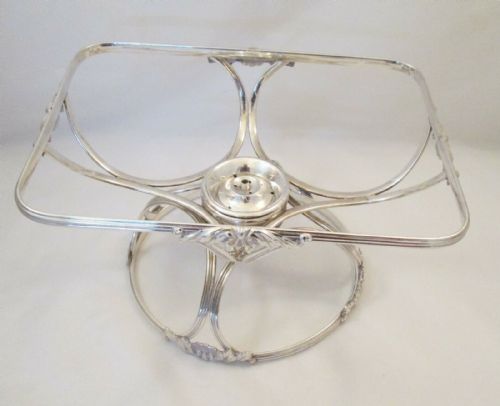


Antique Silver Trivet
These antique silver trivets bring practical elegance to the table, offering sturdy protection for hot dishes and teapots while displaying period craftsmanship.
Antique Silver Trivet
When you search for an antique silver trivet, you are looking at functional table furniture designed to elevate teapots, dishes, and serving vessels above the surface of the dining table. The pieces found here span several centuries, including Georgian, Victorian, and early twentieth-century designs.
You are most likely to meet solid sterling silver and silver-plated examples, often paired with materials such as glass, wood, porcelain, and mirrored surfaces. Forms range from simple teapot stands and coasters to extending serving dish stands, dish rings, and table plateaux.
How they were made
Maker workshops utilised traditional metalworking techniques to shape sterling silver and silver plate into sturdy frames and decorative mounts. These metal elements were frequently combined with turned wood, cut glass, ceramic inserts, or mirrored glass plates.
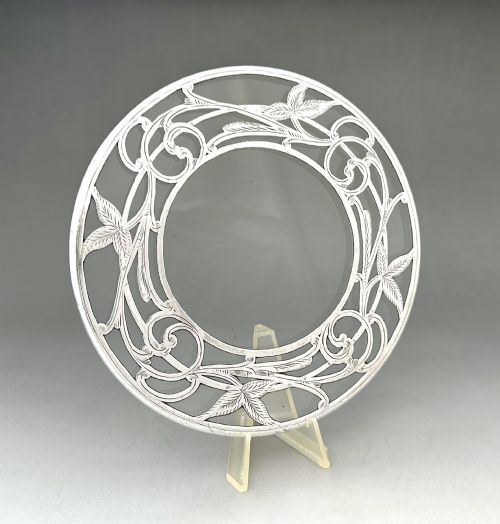
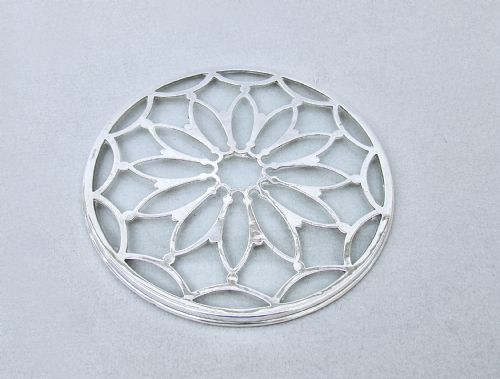
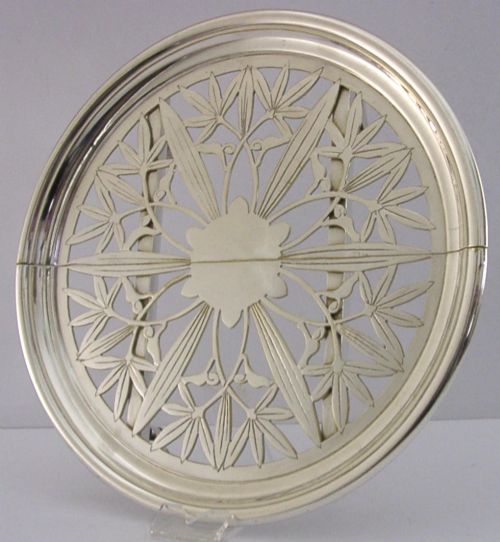
Detailed ornamentation reflects the prevailing styles of each era, incorporating Georgian lines, Victorian weight, Edwardian neoclassical motifs, Art Nouveau curves, and Art Deco geometry.
Antique Silver Trivet Retail Price Guide 2026
Typical asking prices for silver trivet among the pieces listed under this phrase on Sellingantiques today, from the lower quarter to the upper quarter. They describe what is for sale here now, not the wider market.
Listings feature items from the Georgian period up through the Art Deco era, incorporating sterling silver, silver plate, glass, wood, and porcelain.
What varies in quality
The distinction between ordinary and exceptional pieces lies in the crispness of the metalwork and the quality of the integrated materials. Heavier gauges of silver or thick silver plate demonstrate superior durability and sustained brilliance.
Design complexity and maker reputation also determine distinction, with well-executed mounts, balanced proportions, and intact secondary materials such as original glass mirror inserts holding greater interest.
Harrods Ltd·Christofle·Elkington·Barker Bros
The Antique Silver Trivet Glossary
- Sterling silver
- A silver alloy containing 92.5 percent pure silver and 7.5 percent other metals, usually copper, chosen for strength. This standard is frequently denoted by traditional hallmarks on British pieces.
- Silver plate
- A base metal foundation coated with a thin layer of silver through mechanical or electrochemical processes. This technique allowed makers to produce impressive serving pieces at a lower cost than solid silver.
- Dish ring
- A pierced or openwork cylindrical stand, often spool-shaped, traditionally placed on the dining table to support hot dishes. Irish examples frequently feature elaborate repoussé ornamentation.
- Table plateau
- A flat mirrored or wooden stand placed in the centre of the table to hold decorative ornaments or serving pieces. The reflective surface enhances the appearance of silver and glass objects placed upon it.
- Dish cross
- An adjustable metal frame equipped with spirit burners, designed to keep serving dishes warm over the table. These pieces often feature pivoting arms and extendable supports.
Antique Silver Trivet: Frequently Asked Questions
How were antique silver trivets used?
These pieces served to elevate hot teapots, kettles, and serving dishes away from polished wooden dining tables, preventing heat and moisture damage. They also acted as decorative central stands for tableware.
Larger versions with burners or extending arms were used to keep food warm throughout lengthy meals, combining practical utility with formal presentation.
What is the difference between a trivet and a coaster?
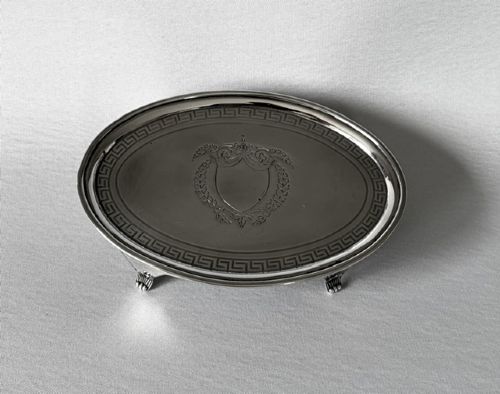
Trivets generally feature legs or feet to raise hot vessels well clear of the table surface, often incorporating open frames or heat-resistant inserts. Coasters tend to be flatter discs designed primarily to hold bottles, decanters, or smaller dishes.
In practice, many antique listings group these related tabletop accessories together due to overlapping forms and uses.
How do I care for antique silver and plated items?
Regular, gentle cleaning with a soft cloth and dedicated silver polish removes tarnish without wearing away thin plating or fine engraved details. Avoid abrasive cleaners or harsh chemical dips that can damage integrated materials like wood or glass.
Store pieces in dry environments away from direct sunlight and dampness to minimise the recurrence of heavy tarnish.
How can I tell the period of a piece?
Stylistic clues such as decorative motifs, manufacturing techniques, and material combinations provide the clearest indication of age. Georgian pieces often display classic restraint, while Victorian and Edwardian items feature heavier ornamentation or neoclassical revival details.
Maker marks, registration numbers, and official hallmarks stamped into the metal offer precise dating evidence for many British and European examples.