




Georgian Sterling Silver Tray
A georgian sterling silver tray brings substantial weight and refined silverwork to a room, functioning as a centrepiece or serving vessel.
Georgian Sterling Silver Tray
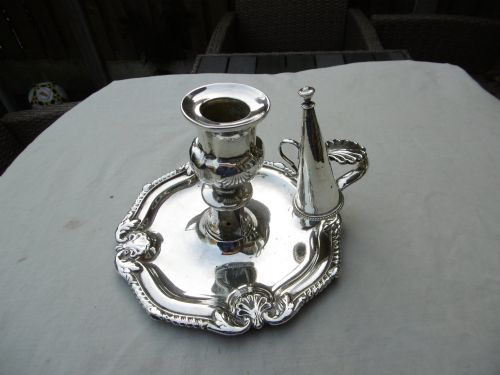
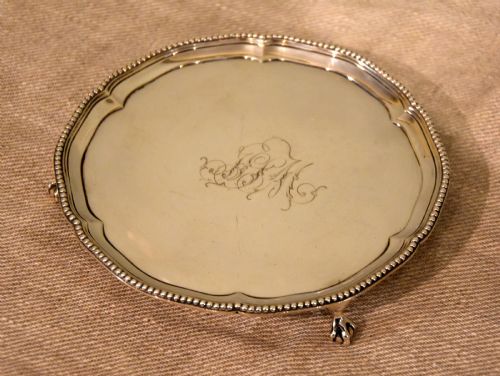
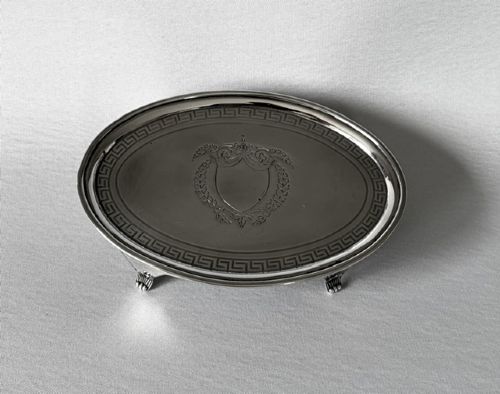
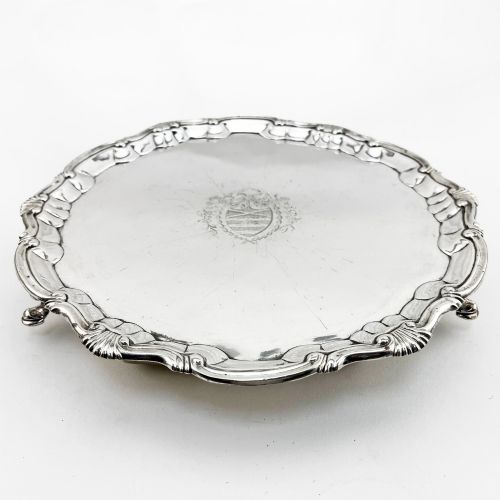
A georgian sterling silver tray encompasses a wide range of forms from the eighteenth and nineteenth centuries, including salvers, card trays, bread baskets, and teapot stands.
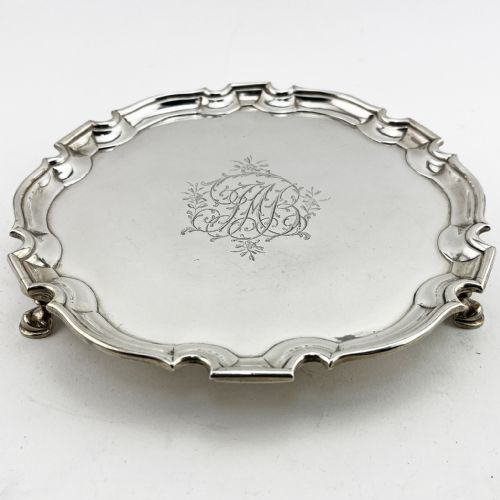
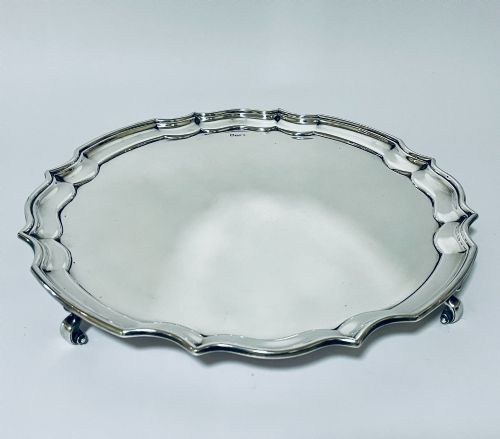
Salvers stand upon small feet and serve as display or serving vessels, while smaller card trays accommodate visiting cards or correspondence.
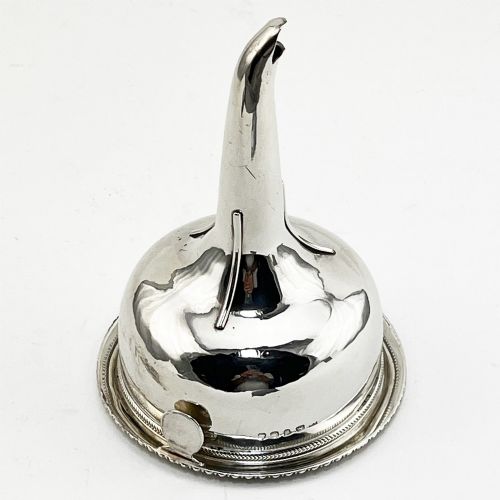
Teapot stands and wine funnels provide specialised table service, reflecting the dining customs of the period.
Originating largely from English, Irish, and Scottish workshops, these pieces showcase the distinct assay office marks of London, Dublin, Edinburgh, York, and Newcastle.
Materials and Construction
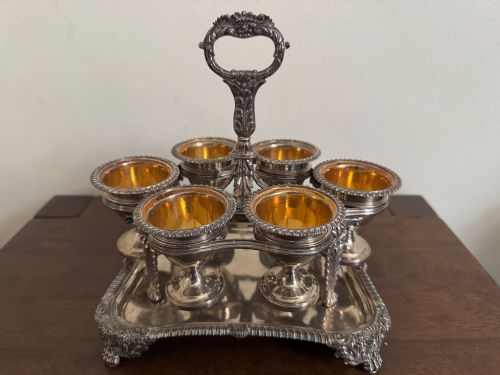
Silversmiths constructed these items using solid sterling silver, occasionally incorporating gold gilt surfaces for interior details or presentation accents.
The heavy gauge of metal provides the rigid structure necessary for large platters and salvers without flexing under weight.
Makers utilised hammering, casting, and hand-engraving techniques to shape borders, apply crests, and form supportive feet.
Georgian Sterling Silver Tray Retail Price Guide 2026
Typical asking prices for georgian sterling silver tray among the pieces listed under this phrase on Sellingantiques today, from the lower quarter to the upper quarter. They describe what is for sale here now, not the wider market.
Several trays carry the military lieutenant interest of their original owners, hinting at Georgian officers taking tea in camp.
Defining Quality
The thickness of the silver gauge dictates the physical presence and durability of the tray, distinguishing heavy presentation pieces from lighter domestic items.
Crispness in the hand-engraving of armorial crests, monograms, and foliate borders demonstrates the skill of the silversmith.
The proportional balance of cast feet and decorative handles relative to the main plate reveals the design ambition of the workshop.
S.C. Younge and Co·William Burwash·Robert Abercromby·Robert Breading·John Hunt·William Garrard·Peter and Anne Bateman·Samuel Hennell·John Walton·James Fray·Paul Storr·William Peaston
The Georgian Sterling Silver Tray Glossary
- Salver
- A flat plate or tray, typically raised on small feet, used for serving food or drinks or displaying objects. Salvers form a large portion of silver tableware from the eighteenth century onwards.
- Waiter
- A small salver, often used specifically for carrying glasses, cups, or letters. The term frequently applies to card trays or smaller service dishes.
- Hallmark
- An official stamp applied by an assay office to indicate the purity of the metal, the year of production, and the maker. These marks allow precise dating of British silver.
- Armorial crest
- A heraldic design engraved onto the surface of the silver to signify a family lineage. These crests add historical provenance to individual pieces.
- Gauge
- The thickness of the silver sheet used to form the body of the tray. Good gauge silver ensures resistance to bending and a substantial feel.
Georgian Sterling Silver Tray: Frequently Asked Questions
How were these trays used historically?
Households utilised these silver pieces for serving tea, presenting visiting cards, or carrying wine decanters and glasses.
Larger salvers also functioned as centrepieces on dining tables or sideboards to display wealth and taste.
How do I clean antique silver?
Gentle washing with warm water and mild soap removes daily dust and oils without harming the antique surface.
Specialist silver cloths applied sparingly maintain the polish without wearing down the engraved details or hallmarks.
Can I use them for daily dining?
Solid sterling silver withstands regular use provided you avoid abrasive cleaners and harsh scrubbing utensils.
Many owners incorporate these trays into modern home hospitality for serving drinks or holding decorative items.
How do I identify the date and maker?
Assay office marks, date letters, and maker's stamps punched directly into the silver provide the necessary clues.
Reference books match these stamped symbols to specific years and silversmiths operating in London, Dublin, and regional offices.