



Robert Hennell Silver
Robert Hennell silver pieces are sterling silver tableware and desk accessories from the Georgian and Victorian eras, sought after for their refined silversmithing.
Robert Hennell Silver
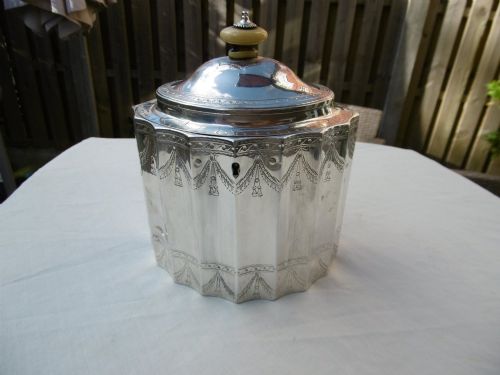
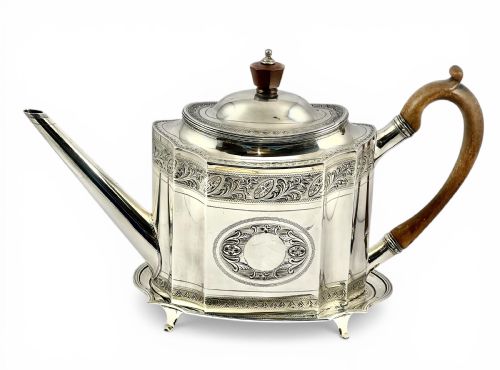
Robert Hennell silver encompasses a diverse range of domestic tableware and functional desk accessories produced across the late eighteenth and nineteenth centuries. When searching for robert hennell silver, a buyer encounters everything from grand teapots and inkstands to delicate mustard pots and salt cellars.
The objects span multiple generations of a prominent silversmithing family, moving from crisp Georgian neoclassicism to elaborate Victorian naturalism. Teapots, sugar baskets, and cream jugs appear most frequently, reflecting the social rituals of tea and dining in British homes.
Materials and Technique
These pieces are fashioned from sterling silver, occasionally augmented with wood components or finished with silver gilt interiors. Silversmiths utilised traditional methods of hammering, casting, and hand-chasing to shape the metal into functional forms.
Surface ornamentation ranges from geometric engraving and basket weave designs to floral chasing and figural motifs such as apples, pears, and pomegranates. Liners of glass or original materials accompany mustard pots and condiment tubs.
Robert Hennell Silver Retail Price Guide 2026
Typical asking prices for robert hennell silver among the pieces listed under this phrase on Sellingantiques today, from the lower quarter to the upper quarter. They describe what is for sale here now, not the wider market.
Listings for robert hennell silver frequently include dining accessories like mustard pots and salt cellars alongside tea service components.
Assessing Quality
Quality rests upon the crispness of the chasing and the structural integrity of the piece, particularly where delicate elements like basket weave wirework or cast botanical details meet. Crisp hallmarks and intact gilding inside sugar basins or salt cellars elevate an example.
Complexity of form distinguishes standard domestic items from ambitious presentation pieces. Elaborate figural inkstands or sculptural fruit designs demonstrate a higher tier of workshop output compared to plain drum mustard pots.
Robert Hennell I·Robert and David Hennell·Robert and Samuel Hennell
The Robert Hennell Silver Glossary
- Sterling silver
- A silver alloy containing 92.5 percent pure silver and 7.5 percent other metals, typically copper, used for durable tableware. This standard metal forms the basis of all pieces associated with the maker.
- Silver gilt
- Sterling silver that has been coated with a thin layer of gold on the interior or exterior surface. This treatment protected the silver from acidic foods like mustard or fruit.
- Neoclassical
- A decorative style inspired by classical Greece and Rome, characterised by symmetry, straight lines, and urn or medallion motifs. It defines many of the late eighteenth-century salts and teapots.
- Victorian naturalism
- A nineteenth-century design movement favouring realistic depictions of plants, flowers, and animals. This aesthetic appears on botanical inkstands and heavily chased fruit-form vessels.
Robert Hennell Silver: Frequently Asked Questions
How do I identify a Robert Hennell piece?
Look for the maker's mark stamped inside the metal alongside the standard assay office marks, lion passant, and date letters. These punch marks typically feature the initials RH in various script or block formats.
Comparing the style of the punch and the associated leopard head or sovereign's head helps narrow down which generation of the family workshop created the object.
What periods do these silver items cover?
The pieces span from the late eighteenth century through the reign of Queen Victoria, capturing major stylistic shifts in British design. Georgian examples often display restrained neoclassical lines, while Victorian pieces embrace heavy floral chasing and naturalistic forms.
Production dates recorded in the archive stretch from the seventeen-eighties into the late nineteenth century.
How should I care for antique silver?
Clean sterling silver infrequently using a soft cloth and a specialised polish formulated for antiques to preserve the original surface details and crisp chasing. Avoid harsh chemical dips that strip away the natural patina accumulated over centuries.
Store pieces in a dry environment away from direct sunlight, and use tarnish-resistant cloth if keeping them enclosed in a cabinet.
Were these items used daily?
Many items, such as teapots, cream jugs, and sugar baskets, played active roles in formal dining and tea service during the Georgian and Victorian eras. Condiment containers and mustard pots sat on dining tables for everyday meals and banquets alike.
Desk accessories like inkstands and bougie boxes served in libraries and studies for correspondence.