



Victorian Silver Hollowware
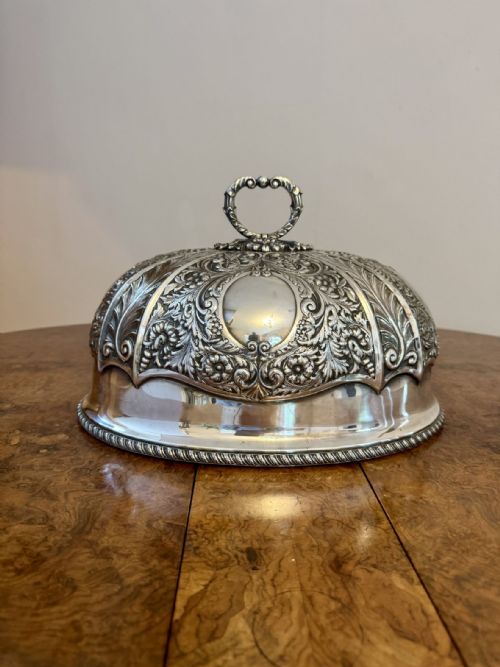
Victorian silver hollowware gathers the table vessels and serving containers of the nineteenth century, built for pouring, storing and displaying.
Victorian Silver Hollowware
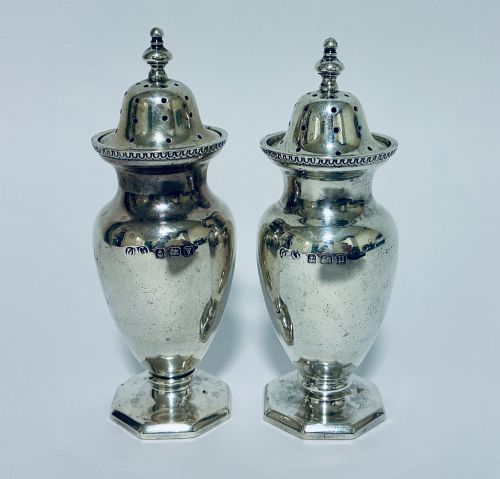
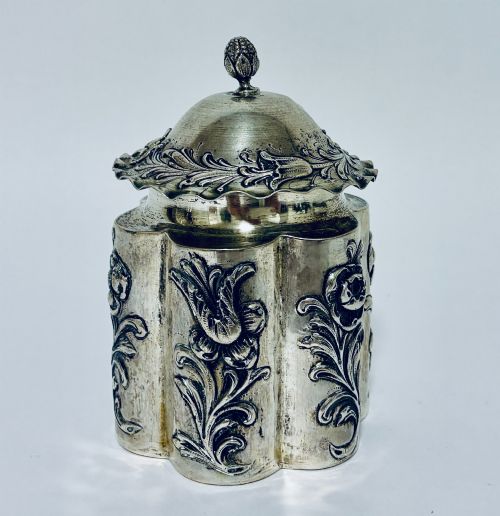
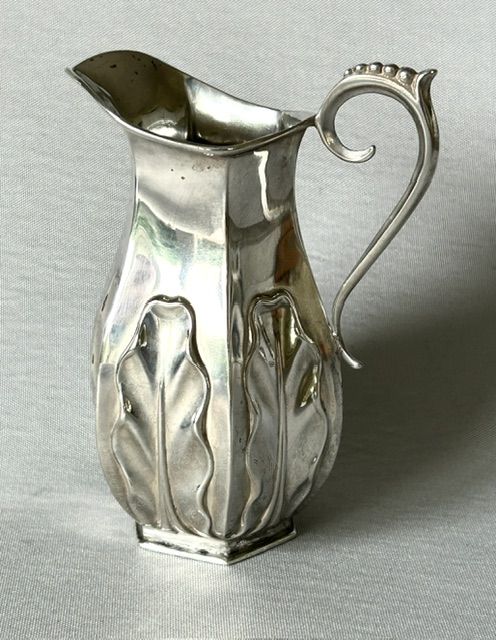
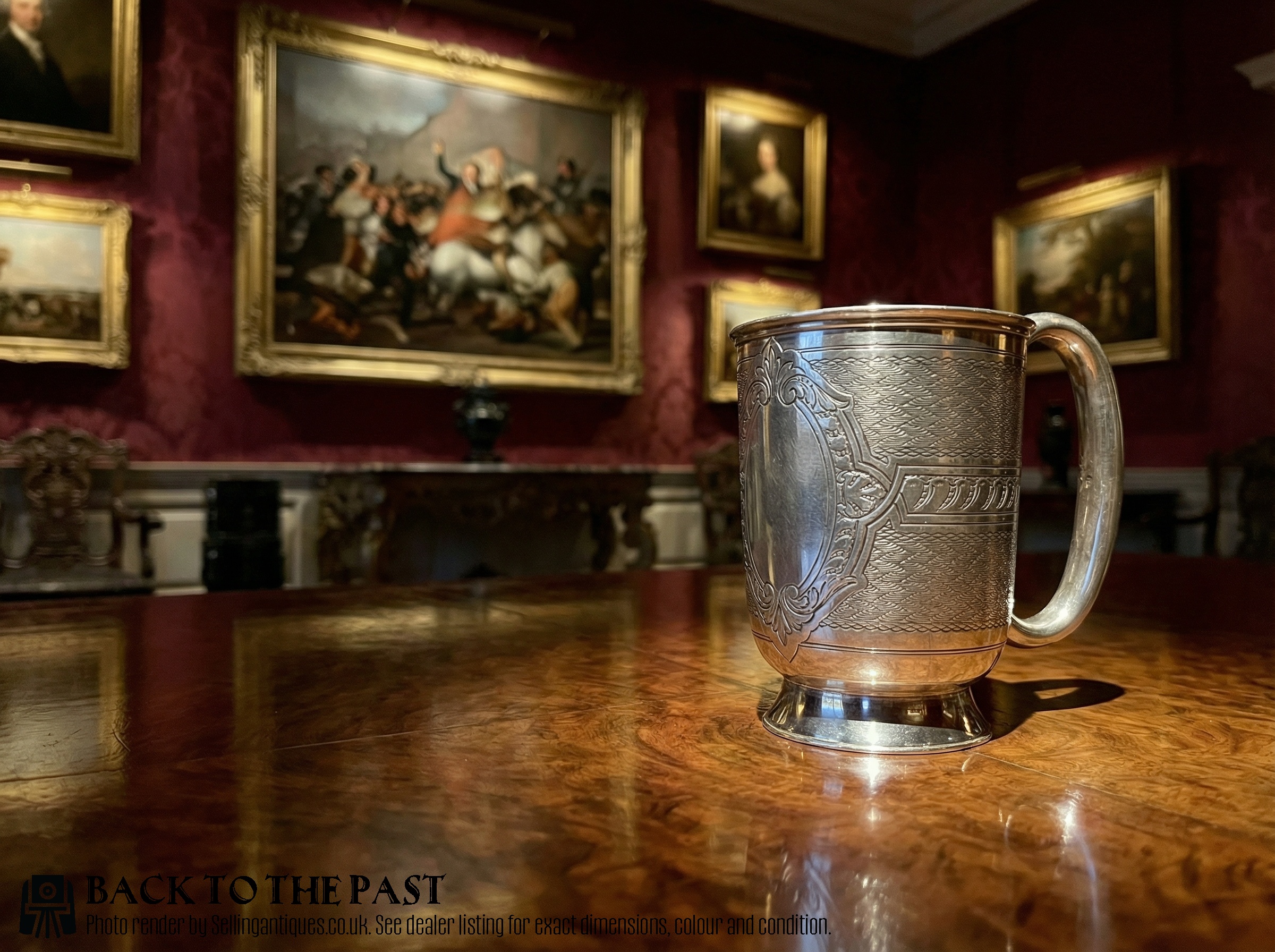
Victorian silver hollowware comprises domestic vessels designed for the table, including cream jugs, mustard pots, sauce boats, tea caddies and serving dishes. These pieces span the nineteenth century, drawing on Victorian, Edwardian and revival aesthetics.
Makers shaped these items in sterling silver and silver plate, frequently pairing the metal with glass, wood or cobalt blue liners. The selection ranges from plain urn-shaped bodies to heavily pierced and engraved forms.
Materials and Technique
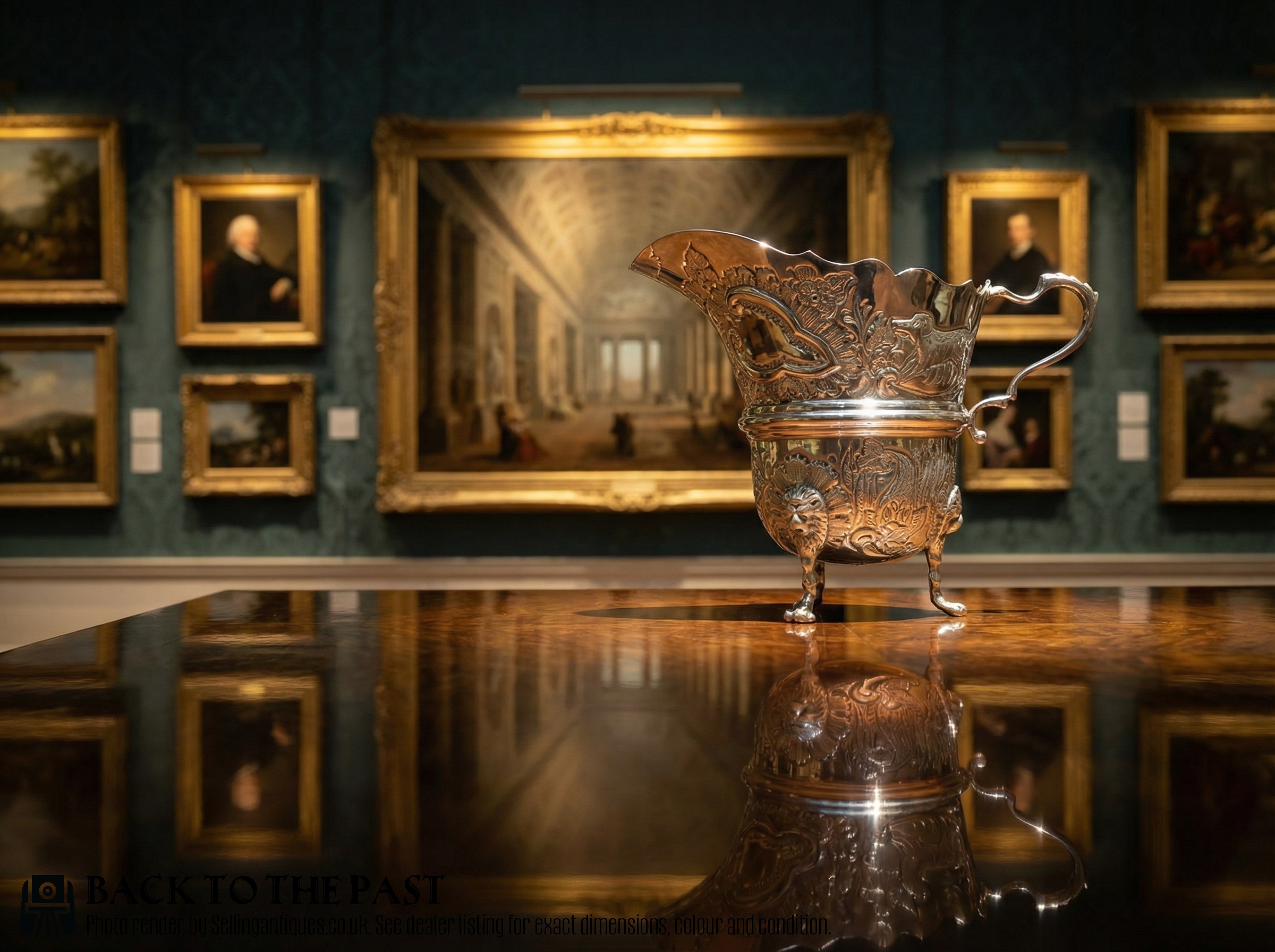
Smiths formed bodies from solid sterling silver or applied silver layers to base metals via Old Sheffield plate and later plating techniques. Hand-engraving, piercing and casting created naturalistic motifs like acorns, floral designs and rococo scrollwork.
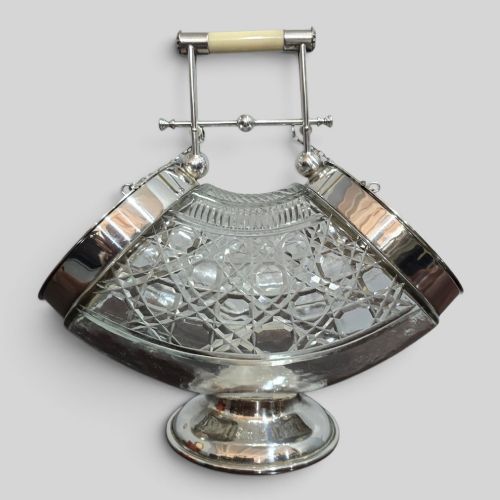
Makers combined silver with cut glass, hobnail glass and cobalt blue glass inserts for items like biscuit barrels, mustard pots and claret jugs. Handles utilised woven materials, wood and insulated construction to manage heat.
Victorian Silver Hollowware Retail Price Guide 2026
Typical asking prices for victorian silver hollowware among the pieces listed under this phrase on Sellingantiques today, from the lower quarter to the upper quarter. They describe what is for sale here now, not the wider market.
Listings feature diverse materials including sterling silver, silver plate, cut glass, cobalt blue glass and wood across nineteenth-century items.
Quality and Distinction
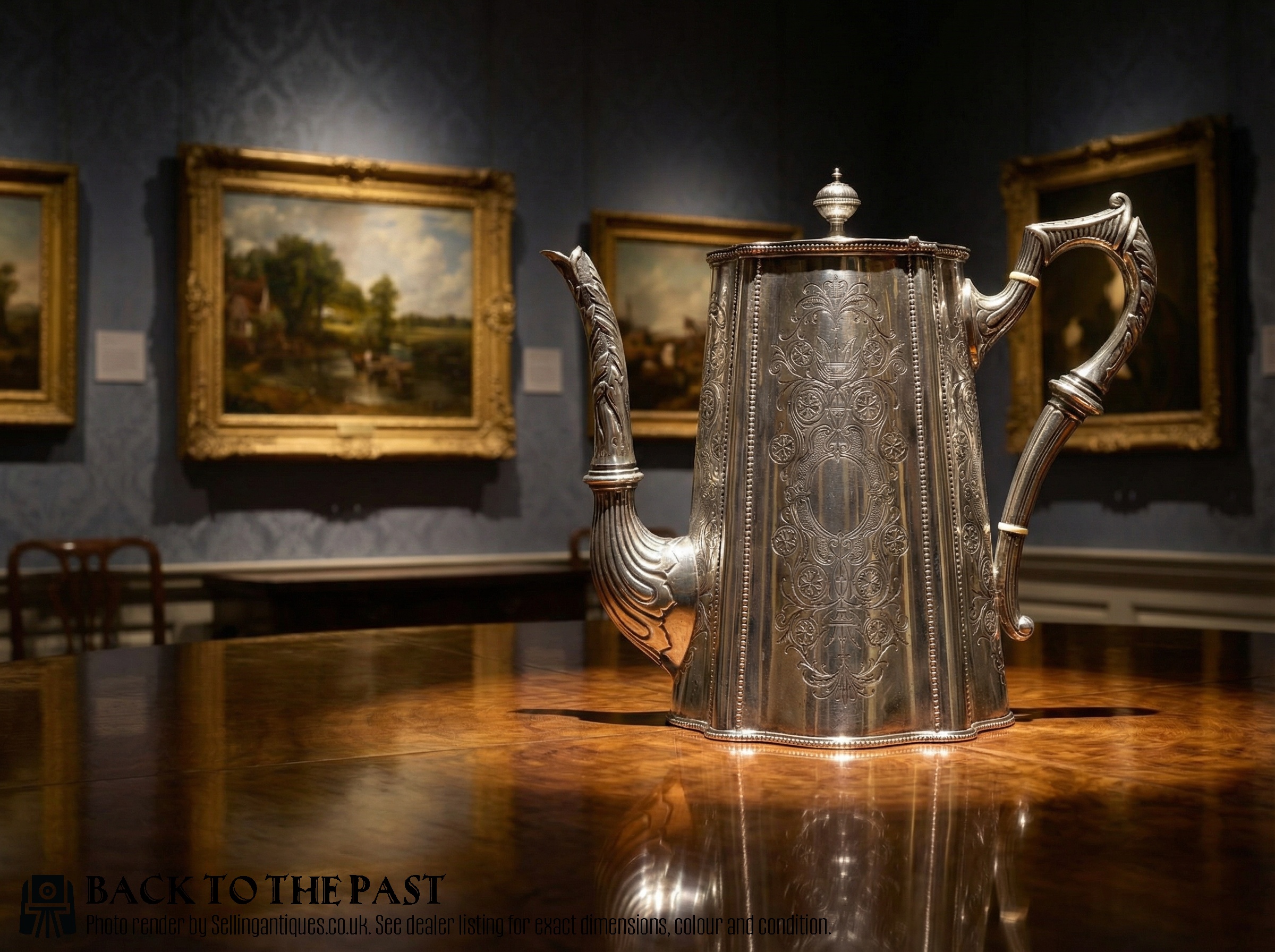
Quality rests in the crispness of chased and pierced detail, where sharper casting and hand-finished engraving separate standard production from superior workshop output. Substantial weight in the metal and balanced proportions define better vessels.
The integration of secondary materials, such as precisely fitted glass liners and secure handle attachments, dictates the standard of preservation and manufacture across serving dishes and jugs.
Padley Parkin & Staniforth·Thomas Bradbury·Tiffany & Co·Martin Hall·John Hunt and Robert Roskell·Charles Stuart Harris·Atkin Brothers·Edward & John Barnard
The Victorian Silver Hollowware Glossary
- Hollowware
- Table vessels such as jugs, pots, bowls and caddies that hold contents, as opposed to flatware like spoons and forks.
- Sterling silver
- A silver alloy containing 92.5 percent pure silver by mass, standard for British hallmarked domestic plate.
- Old Sheffield plate
- A composite material made by fusing a thin sheet of silver to a thicker copper base, common in nineteenth-century serving items.
- Pierced work
- Metal pierced with hand-sawn patterns to create openwork lattice or decorative borders on dishes and mustard pots.
Victorian Silver Hollowware: Frequently Asked Questions
What counts as Victorian silver hollowware?
This category includes three-dimensional vessels for dining and beverage service made during the nineteenth century in sterling silver or silver plate. Examples range from small mustard pots and cream jugs to large wine coolers and entree dishes.
Items often feature decorative revivals, including Rococo and Neoclassical styles, alongside naturalistic motifs like acorns and floral engraving.
How do I use these pieces today?
Many serving vessels function just as they did originally, holding sauces, cream, mustard or condiments at the dining table. Tea caddies store dry leaves, while jugs and bowls serve water or display flowers.
Care involves gentle washing in warm soapy water without abrasive cleaners to preserve the silver surface and any associated glass liners.
How do I tell sterling silver from silver plate?
Sterling silver items carry hallmarks indicating the metal standard, maker, assay office and date letter. Silver plate pieces typically show marks related to plating firms or lack standard lion passant sterling hallmarks.
Weight and wear patterns also assist, as silver plate can reveal the base metal underneath through prolonged friction on raised edges.
Why are some pieces combined with glass?
Glass inserts protected the metal from acidic contents such as mustard, vinegar or wine. Cobalt blue glass offered a striking visual contrast against pierced silver galleries and frames.
Claret jugs and biscuit barrels relied on clear cut glass bodies to showcase liquids and baked goods while providing a sturdy grip.