
Edwardian Silverware
Edwardian silverware encompasses practical table accessories and dining wares spanning the early twentieth century.
Edwardian Silverware
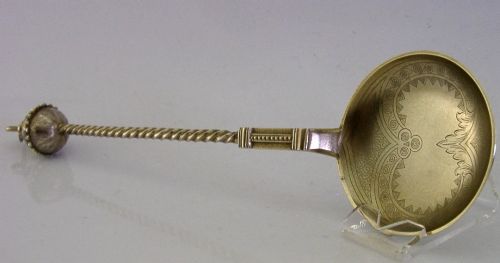
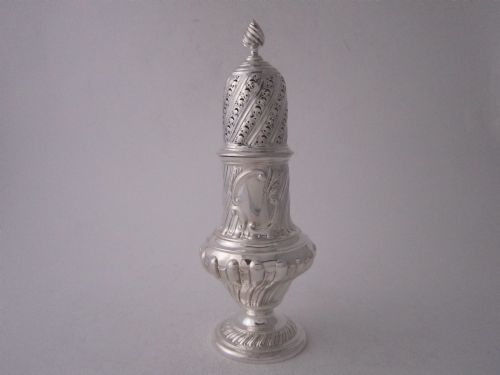
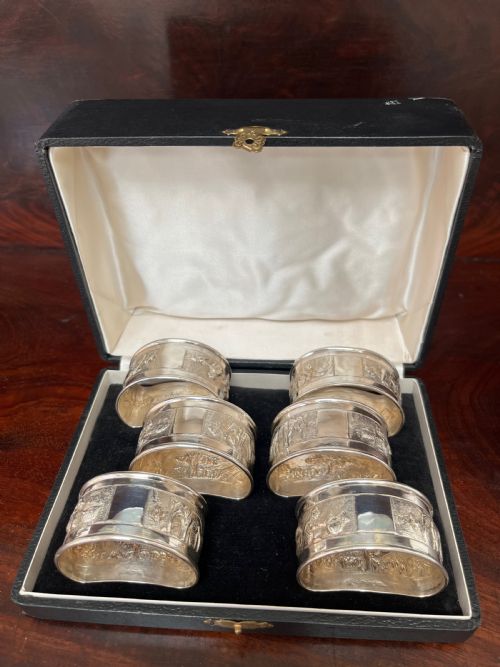
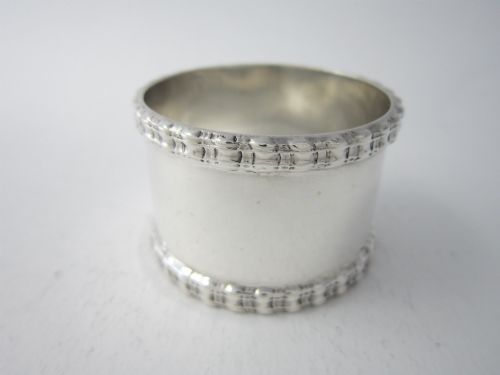
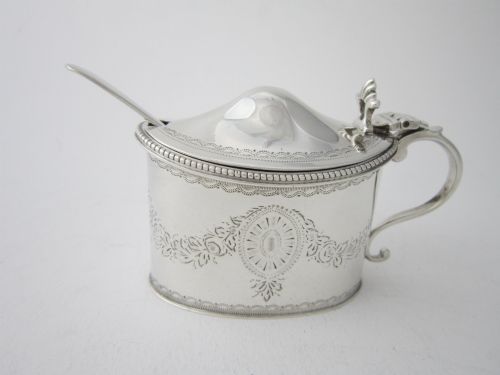
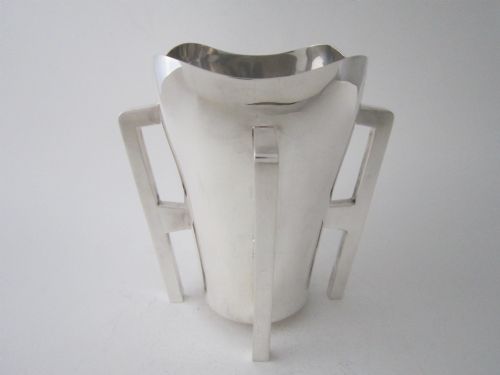
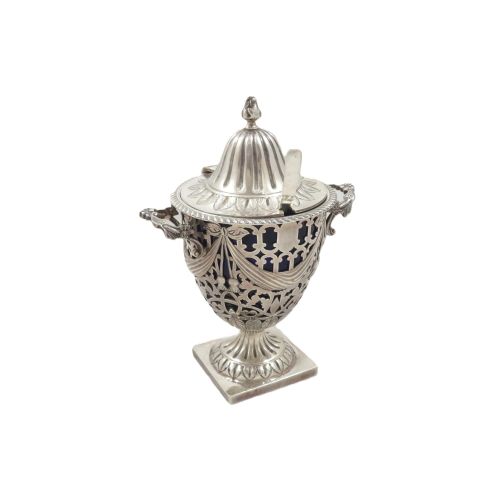
Edwardian silverware covers a range of functional table items and decorative objects produced during the early twentieth century, including toast racks, tea caddies, napkin rings, and serving spoons. Many pieces date from the Edwardian period itself, alongside related examples from the late Victorian era and the George V reign.
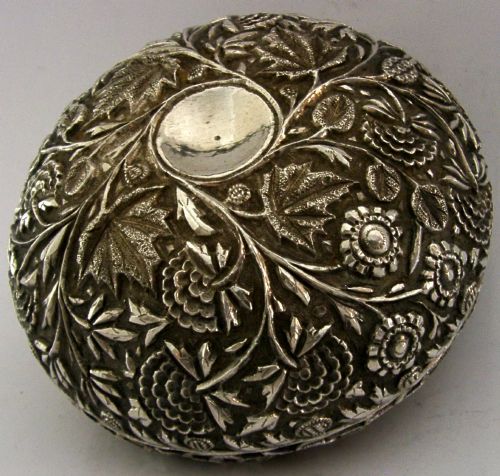
Regional styles emerge across the collection, incorporating Celtic Revival motifs, Arts and Crafts enamel work, and Anglo-Indian decorative elements. Makers from major silversmithing centres contribute items ranging from modest butter knives to substantial presentation pieces.
Materials and construction
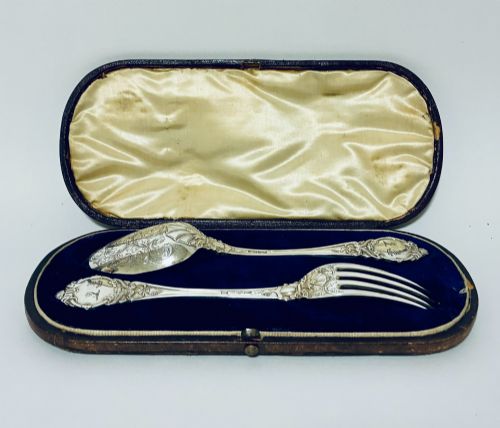
Silversmiths utilised solid sterling silver and durable silver plate as primary metallic mediums, frequently combining them with organic materials such as oak for cutlery canteens, horn for drinking vessels, and velvet or silk linings inside presentation cases.
Construction techniques involved traditional hammering, casting, and piercing, complemented by specialised decorative methods like vibrant enamel inlay seen in Arts and Crafts pieces. Structural mounts and handles utilised complementary metals, including brass accents and silver gilt finishes.
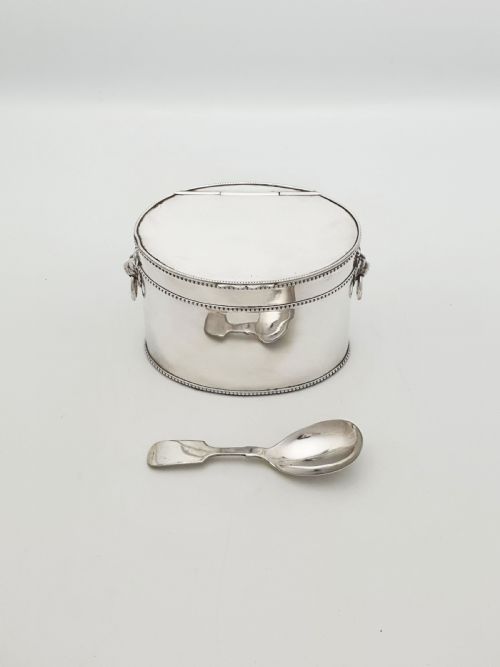
A novelty drum-shaped biscuit box stands ready to house your afternoon treats in period style.
Assessing quality
Quality rests upon the weight and gauge of the metal used, with heavier items demonstrating substantial craftsmanship and durability. Finer examples display crisp detail in chased or embossed ornamentation, such as lion mask handles or intricate flora.
The reputation of the maker and the clarity of the assay office hallmarks further distinguish superior pieces. Integrity of construction, particularly in hinged lids, fitted wooden canteens, and applied enamel work, marks the distinction between standard production and exceptional workshop output.
Barker Brothers·John Grinsell and Sons·Hamilton and Inches·Liberty and Co·Mappin and Webb·Roberts and Belk·Walker and Hall·Waring and Gillows·Harrison Brothers and Howson
The Edwardian Silverware Glossary
- Sterling silver
- A silver alloy containing 92.5 percent pure silver by mass and 7.5 percent other metals, usually copper, ensuring structural durability for tableware.
- Silver plate
- A layer of silver applied to a base metal core, such as copper or nickel silver, offering the visual appeal of solid silver at a lower production cost.
- Caddy spoon
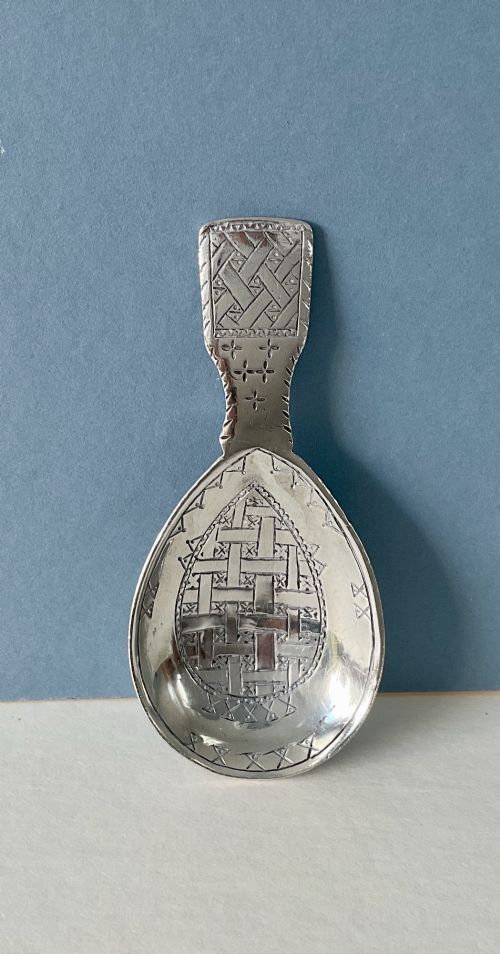
- A small specialised spoon designed specifically for measuring loose tea leaves from a caddy into a teapot.
- Toast rack
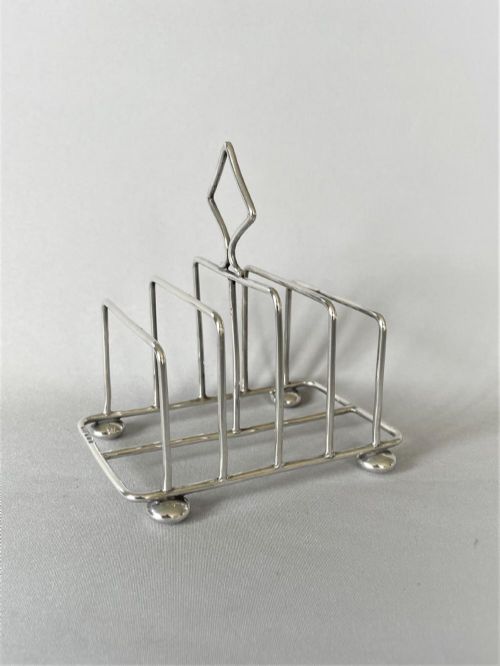
- A small tabletop frame featuring upright dividers used to hold slices of toast upright and prevent them from becoming soggy.
- Quaich
- A traditional shallow two-handled drinking vessel of Scottish origin, often fashioned from wood or horn with silver mounts.
Edwardian Silverware: Frequently Asked Questions
What is a silver caddy spoon?
A silver caddy spoon is a small utensil specifically designed to scoop loose tea leaves from a storage container into a pot. These spoons often feature decorative handles reflecting the design styles of their period.
They form a distinct collecting category within tableware due to their varied shapes and regional British assay marks.
How do I care for antique silver?
Antique silver requires gentle cleaning using non-abrasive cloths and specialised silver polishes to preserve the surface and hallmarks. Regular handling helps prevent tarnish accumulation on display items.
Storing pieces in dry environments away from direct sunlight protects any integrated organic materials like wood, horn, or velvet linings.
What is an Edwardian toast rack?
An Edwardian toast rack is a small table accessory fitted with vertical metal loops designed to hold slices of toast upright. This arrangement allowed steam to escape so the toast remained crisp during breakfast service.
Silversmiths produced these in various configurations, ranging from simple wirework frames to elaborate designs with central carrying rings.
Are silver plated items antique?
Silver plated items manufactured over a century ago are classified as antiques, sharing the same period designations as solid silver pieces. The plating technique applied a thin layer of silver over a base metal foundation.
Many functional dining items and tea sets from the early twentieth century were constructed this way to provide durability and affordability.