




19th Century Silverware
19th century silverware brings domestic ceremony and heavy metal weight to the table, uniting Georgian restraint with Victorian exuberance in sterling silver and solid silver.
19th Century Silverware
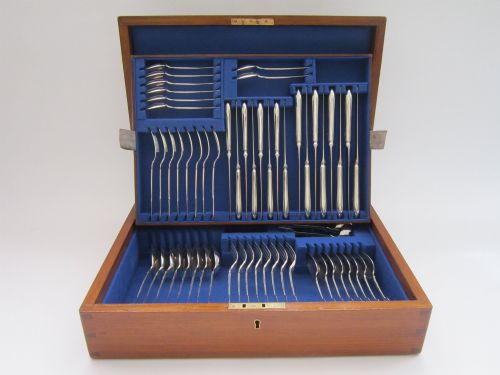
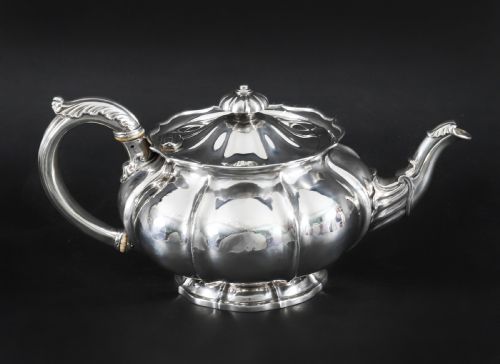
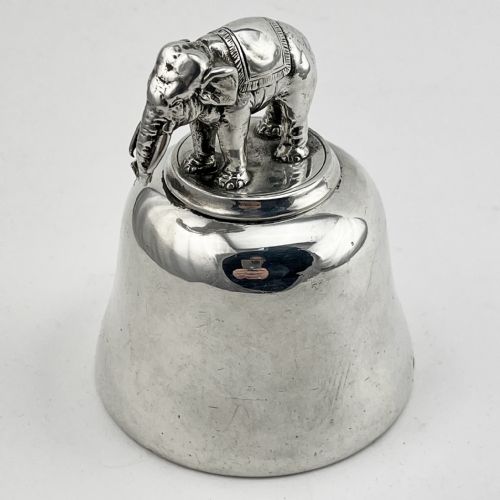
When buyers search for 19th century silverware, they encounter domestic implements and display pieces spanning the Georgian, Victorian and later decades. These items range from heavy serving spoons and teapots to decorative bowls, table bells and complete cutlery sets.
The most common versions on this page are Victorian and Georgian sterling silver items, alongside solid silver and silver plate. Pieces often display regional styles, including Anglo-Indian, Imperial Russian and Burmese craftsmanship.
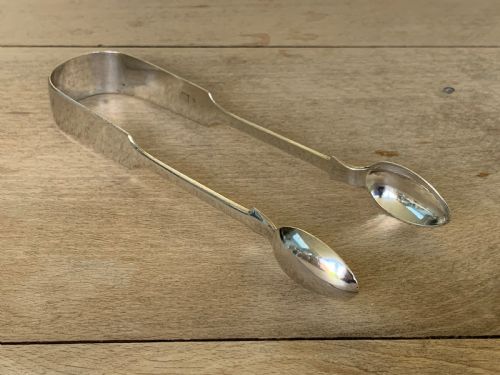
Forms vary widely from practical cutlery sets and sugar tongs to ornate chargers, wall plates and novelty baby peppers. Each object reflects the social dining habits and domestic rituals of the 1800s.
Materials and methods
Maker workshops utilised sterling silver, solid silver and silver plate as primary metals, sometimes mounting items on mahogany or felt bases. Enamel and niello provided colourful contrast on Russian spoons and forks.
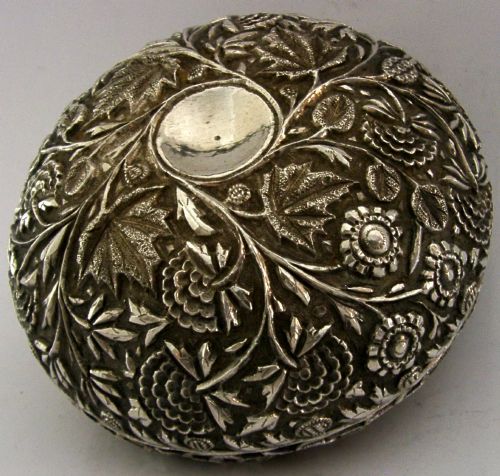
Silversmiths employed repousse and cloisonne techniques to shape and decorate bowls, trays and spoons with floral and geometric patterns. Campaign sets required robust construction, often housed within oak travel chests for portability.
Victorian silversmiths occasionally fashioned novelty baby peppers, turning everyday dining condiments into whimsical miniature animals on the table.
Judging quality in silver
Quality rests in the crispness of the repousse relief, the security of enamel work and the substantial weight of the metal. Heavier pieces, such as substantial solid silver bowls and trays, demonstrate superior substance.
Distinction also lies in the clarity of hallmarks, the precision of pattern work like Fiddle pattern cutlery, and the reputation of the silversmithing workshop. Finer items retain sharp definition across handles, rims and decorative panels.
Paul Storr·Josiah Williams & Co·Aleksandr Timofeyevich Shevyakov·Vasily Agafonov·Henri Soufflot·Tiffany & Co
The 19th Century Silverware Glossary
- Sterling silver
- An alloy containing 92.5 percent silver by mass, with other metals usually copper added for durability. It served as the standard material for British domestic tablewares throughout the Victorian and Georgian eras.
- Niello
- A black metallic alloy of sulphur with silver, lead or copper used as an inlay on engraved metal. Russian silversmiths frequently applied this technique to contrast sharply against bright silver surfaces.
- Cloisonne
- An ancient technique for decorating metalwork objects with coloured material held in place by thin metal strips. Artisans filled these compartments with enamel before firing.
- Repousse
- A metalworking technique in which a malleable metal is ornamented or shaped by hammering from the reverse side. This created raised floral and figurative motifs on bowls and trays.
- Old Sheffield plate
- An early form of plated metal produced by fusing a sheet of silver to a thicker base of copper. It bridged the gap between solid silver and later electroplating methods.
19th Century Silverware: Frequently Asked Questions
How do I clean antique silver?
Clean sterling silver with a soft cloth and a specialised silver polish designed to remove tarnish without scratching the metal surface.
Avoid abrasive scouring pads or harsh chemical dips, which can strip away delicate niello inlay or damage antique hallmarks.
What is the difference between sterling and plate?
Sterling silver is solid metal composed of 92.5 percent silver throughout the entire piece. Silver plate consists of a thin layer of silver bonded to a base metal core.
Markings on the underside usually indicate whether an item is solid sterling or plated ware.
Can I use these items daily?
Many nineteenth-century spoons, forks and tea services remain robust enough for regular use at the dining table. Hand washing protects the structural integrity and historical surface finish of older metals.
Delicate items featuring fragile enamel work or intricate repousse bowls benefit from careful handling and display use rather than daily service.