



Nineteenth Century French Silver
Nineteenth century french silver brings sculptural elegance and refined craftsmanship to the table, offering you tangible pieces of historical domestic luxury.
Nineteenth Century French Silver
Representative pieces range from Napoleon III centrepieces and Empire coffee pots to Victorian industrial desk timepieces and carriage clocks. You also find wall mirrors framed in carved wood and gesso with silver gilt, alongside bronze candlesticks and silvered bronze pedestal urns.
The selection reflects various specific periods within the nineteenth century, including items dated to eighteen-sixty, eighteen-seventy, eighteen-eighty, and eighteen-ninety. Makers represented in the metalwork and silver include Pierre Fournerot, Boin Taburet, Delépine-Barrois, Guilmet, Frédéric Boucheron, Henri Soufflot, and Lerolle Frères.
Materials and construction methods
Makers utilised solid silver, particularly point nine-five-zero fine silver, alongside silver-plated metals, vermeil, and silvered bronze. Gilding appears on bronze and wood surfaces, often paired with materials like marble, glass, and brass in clocks and centrepieces.
Items incorporate detailed engraving, hand-carved gesso on wood for mirror frames, and precise casting techniques seen in figurative candlesticks and pedestal urns. Horological pieces integrate complex mechanical movements within brass, bronze, and glass housings.
Distinctions in craftsmanship and design
Quality separates through the crispness of chased and engraved details on solid silver vessels and the sculptural definition found in bronze castings and mirror frames. Pieces bearing identifiable maker marks or originating from notable Parisian workshops command attention for their documented heritage.
The choice of secondary materials, such as heavy marble bases or well-preserved original silver gilt and vermeil surfaces, elevates the overall execution of clocks, urns, and commemorative items.
Pierre Fournerot·Boin Taburet·Delépine Barrois·Guilmet·Frederic Boucheron·Henri Soufflot·Lerolle Fres
The Nineteenth Century French Silver Glossary
- Vermeil
- Silver gilt, comprising sterling or fine silver plated with a layer of gold. This technique provides the rich appearance of gold while retaining a silver base.
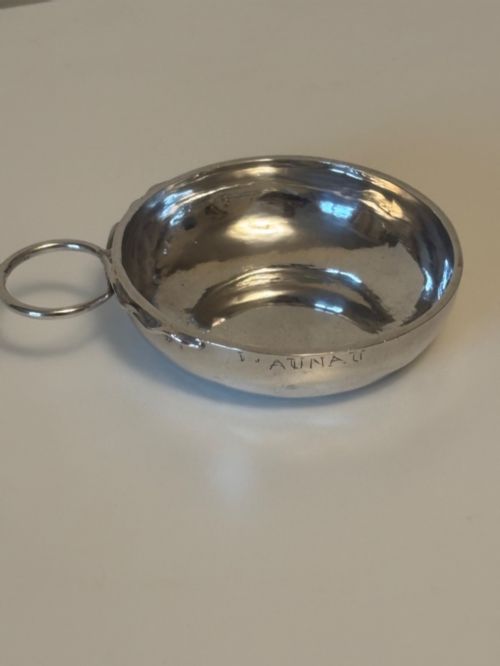
- Wine Taster
- A small, shallow silver bowl traditionally used by vintners and merchants to sample wine. These portable vessels often feature dimpled surfaces to reflect candlelight.
- Centrepiece
- A large decorative bowl or plateau placed in the middle of a dining table. Nineteenth-century examples in silvered bronze often reflect classical or sculptural motifs.
- Carriage Clock
- A small, spring-driven clock designed for travel during the nineteenth century. They typically feature brass and glass cases enclosing precision escapement movements.
- Gesso
- A plaster-like mixture applied to wood frames before gilding or silvering. It provides a smooth base that accepts intricate moulding and carving.
Nineteenth Century French Silver: Frequently Asked Questions
What is a wine taster used for?
A wine taster is a traditional shallow vessel used historically by merchants and connoisseurs to inspect the clarity and colour of wine before purchase. The indented bowl designs helped reflect ambient cellar light to judge the liquid.
Today, these tactile pieces function as decorative cabinet objects or small display dishes, connecting you directly to nineteenth-century French dining traditions.
How do I care for silvered bronze?
Silvered bronze requires gentle dusting with a soft, dry cloth to protect the delicate metallic finish. Avoid harsh silver dips or abrasive polishes that can strip away the historical surface plating.
Keeping the objects away from direct moisture and handling them minimally preserves the integrity of the original nineteenth-century finish.
What defines Napoleon III style?
Napoleon III style encompasses the eclectic decorative arts popular during the Second French Empire, drawing heavy inspiration from past historical periods. It combines opulent materials, intricate bronze casting, and exuberant ornamentation.
Pieces from this era often display a confident mix of classical symmetry and ornate detailing, reflecting the wealth and ambition of the period.
How do carriage clocks differ from desk clocks?
Carriage clocks were originally built as portable timepieces for travellers, housed in robust brass and glass cases with folding top handles. Desk clocks, such as those from industrial series, remained stationary and often incorporated nautical or architectural themes.
Both types utilise precision mechanical movements but serve different functional roles within nineteenth-century interiors.