
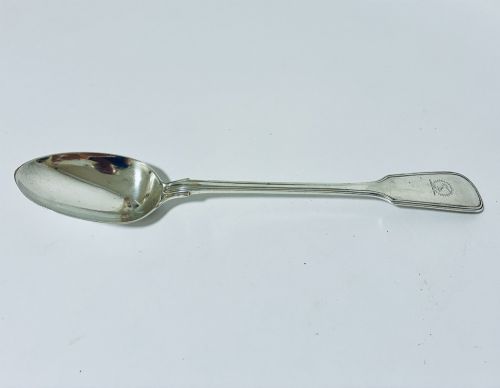
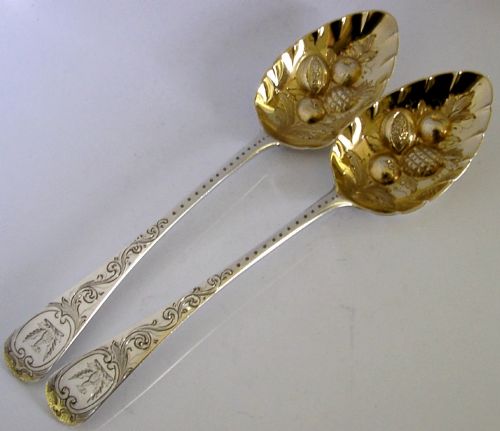
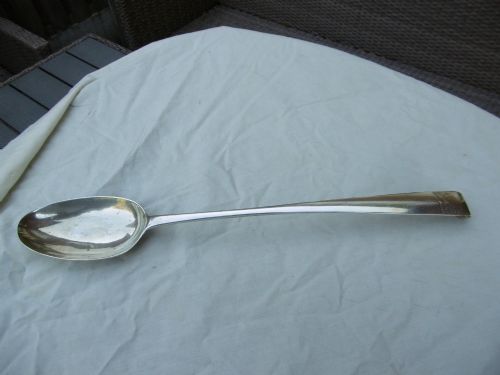
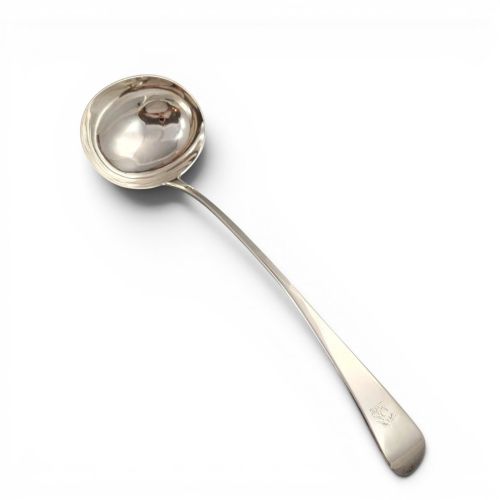


Engraved Silver Serving Spoon
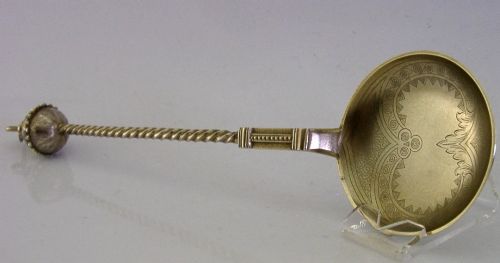
An engraved silver serving spoon brings historic table service to life through fine hand-chiselled decoration.
What they are
An engraved silver serving spoon represents a historic form of functional tableware designed for table service. These pieces emerge primarily from the eighteenth century, encompassing both Georgian examples and specific provincial variants.
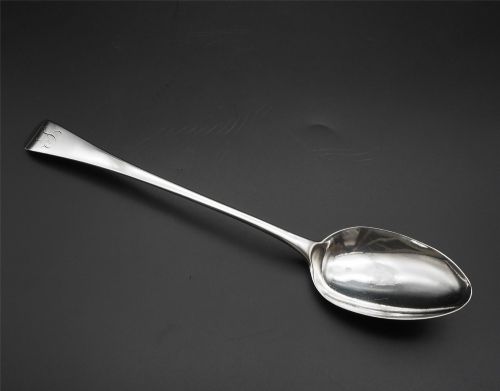
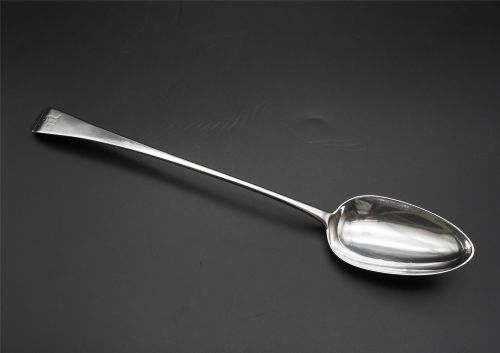
The selections available here feature sterling silver construction, including basting utensils and large server formats. Buyers encounter eighteenth-century craftsmanship alongside items bearing period hallmarks and engraved crests.
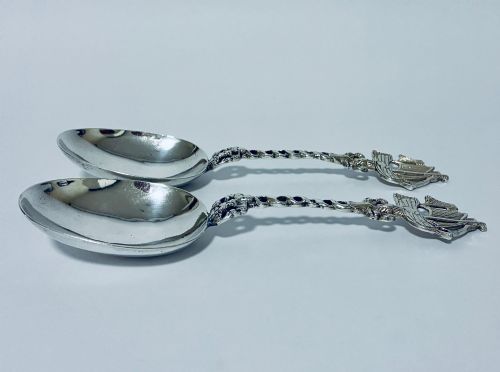
Origin points span London workshops and Irish makers, alongside decorative export items with floral motifs. Each piece serves as a tangible record of Georgian dining customs.
How they were made
Silversmiths forged these utensils from solid sterling silver using traditional hammering and shaping techniques. The metal was beaten from ingots into heavy gauge blanks before being drawn out into stem and bowl configurations.
Decoration relied entirely on hand engraving tools to cut crisp lines into the silver surface. Artisans utilised gravers to create detailed crests, floral patterns, and scrollwork directly onto the metal.
The archive records styles spanning traditional British silver alongside Chinese export work.
What varies in quality
Quality rests in the weight of the sterling silver and the crispness of the hand engraving. Superior examples retain deep, sharp lines in the crests and floral scrolls without thinning from excessive polishing over the centuries.
Maker marks and clear town hallmarks elevate a piece by providing verifiable provenance. Well-balanced proportions and comfortable gauge thickness distinguish master silversmith output from standard utilitarian production.
John Craig·Jabez Daniell
The Engraved Silver Serving Spoon Glossary
- Sterling silver
- A silver alloy comprising a fixed standard of purity traditionally utilised for quality tableware and flatware. This material ensures durability alongside a distinctive lustrous finish.
- Georgian
- The design period spanning the reigns of the first four Georges, characterised by distinct classical proportions and robust craftsmanship. Pieces from this era reflect evolving domestic dining fashions.
- Hook end
- A terminal style on eighteenth-century handles shaped to hang securely from the edge of a bowl or rim. This specific form aids practical service during large meals.
- Basting spoon
- An oversized utensil created to ladle juices over meat during preparation or service. These forms represent the largest scale of functional dining silver.
Frequently Asked Questions
What is an engraved silver serving spoon used for?
These large utensils were created for dishing food at the dining table during formal meals.
Their substantial bowl capacity and extended length allowed servants or hosts to transfer portions efficiently.
How do I date a Georgian serving spoon?
Dating relies on stamped hallmarks that record the assay office, the active year, and the silversmith's mark.
Stylistic cues like handle shape and engraving techniques provide additional chronological context.
Can I use antique silver spoons daily?
Regular use remains entirely possible provided you wash the silver gently by hand without harsh abrasives.
Stroking the metal with soft cloths preserves the original hand engraving for future generations.