






Antique Silver Metal Servers
Antique silver metal servers bring warmth to the table, and this selection spans from Georgian ewers to Art Deco dishes.
Antique Silver Metal Servers
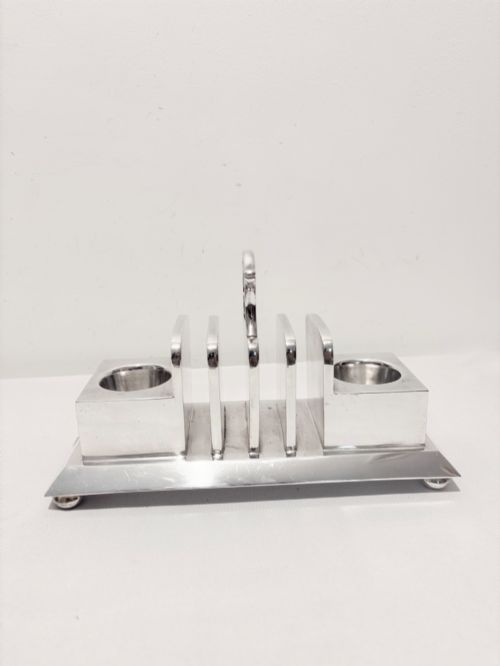
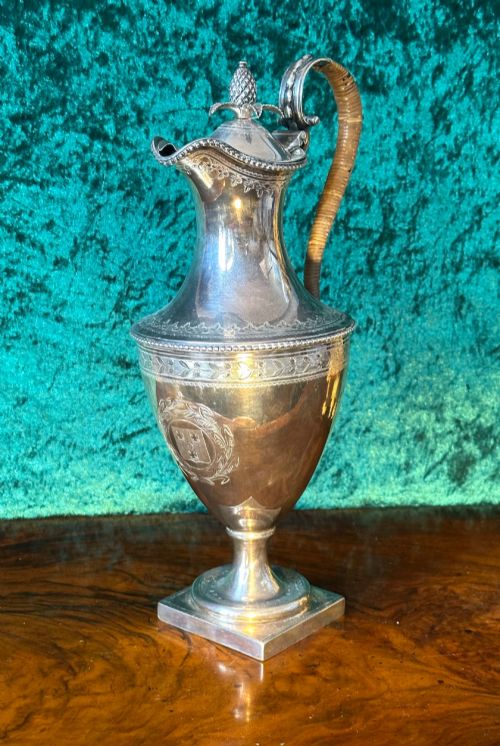
When you search for antique silver metal servers, you encounter an array of serveware designed for hospitality, from toast racks and coffee pots to tea urns and spoon warmers. These pieces served functional roles in domestic dining routines across centuries, adapting to the shifts in tableware fashion.
The styles represented across these objects shift through Georgian Neoclassical, Rococo Revival, Aesthetic Movement, Art Nouveau, and Art Deco. This variety reflects the changing tastes of dining rooms from the 18th century through the early 20th century.
How they were made
Makers utilised base metals such as nickel silver, copper, and standard white metal as foundations for electroplating or Sheffield plating. Silver plate and electroplated nickel silver provided the lustrous appearance of solid silver while remaining accessible for broader household use.
Construction techniques involved shaping metal through hammering, casting, and soldering, often incorporating wooden handles or wicker insulators on items intended for hot liquids like tea urns and coffee pots. Sheffield plate combined layers of silver and copper fused under heat, a precursor to later electroplating methods.
Antique Silver Metal Servers Retail Price Guide 2026
Typical asking prices for silver metal servers among the pieces listed under this phrase on Sellingantiques today, from the lower quarter to the upper quarter. They describe what is for sale here now, not the wider market.
Listings feature items spanning the Georgian era, the 19th century, and the 1930s, utilising silver plate, nickel silver, wood, and wicker.
What varies in quality
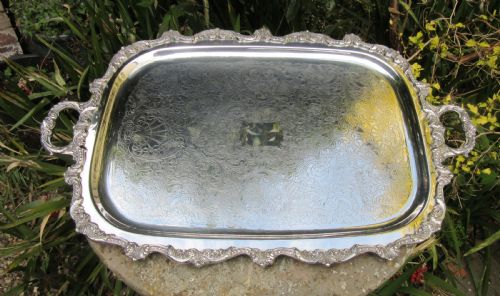
The standard of execution depends on the crispness of chased or embossed details, particularly in styles like Rococo Revival or Art Nouveau where ornamentation defines the surface. Heavier gauge metalwork provides greater structural integrity, ensuring that items like toast racks and serving trays resist bending over decades of use.
The preservation of the original plating layer distinguishes finer examples, as excessive polishing wears away the thin silver coating to reveal the base metal underneath. Maker marks and registration numbers also denote workshop provenance, adding distinction to pieces by known firms such as Christofle or Hukin & Heath.
Padley Parkin·Boardman Glossop And Co·Christofle Gallia·Hukin And Heath
The Antique Silver Metal Servers Glossary
- Sheffield plate
- An early form of silver plating created by fusing a sheet of silver to a thicker copper ingot before rolling them into sheets. This technique predates the invention of electroplating.
- Electroplated nickel silver
- A base alloy of copper, nickel, and zinc coated with a thin layer of pure silver through an electrolytic process. It became the dominant material for Victorian and Edwardian tableware.
- Spoon warmer
- A Victorian table accessory designed to hold hot water and keep serving spoons warm for gravy or soup. They frequently took whimsical forms such as shells, shoes, or marine buoys.
- Toast rack
- A domestic metal frame fitted with multiple dividers to hold slices of toast upright. This form allowed crisp toast to reach the breakfast table without becoming soggy from condensation.
Antique Silver Metal Servers: Frequently Asked Questions
What are antique silver metal servers?
Antique silver metal servers encompass a diverse group of dining and tea table accessories made from plated metals, Sheffield plate, and solid silver. They include functional objects designed for pouring, warming, and presenting food and drink.
These pieces reflect the social rituals of past centuries, bridging practical utility with decorative craftsmanship across various stylistic periods.
How do I clean silver plated servers?
Cleaning silver plated items requires gentle care to avoid wearing through the thin silver layer to the base metal beneath. Use a mild, non-abrasive silver polish and a soft cloth, avoiding harsh chemical dips that strip away residual patination.
Wash the pieces in warm soapy water afterwards and dry them thoroughly with a soft towel to prevent water spots and tarnishing.
Can I use these servers daily?
Many antique silver plated servers remain sturdy enough for regular use at the dining table, particularly heavier pieces like trays, salvers, and toast racks. Items with delicate insulating handles or older glued joints require more careful handling.
Hand washing is essential for all plated items, as dishwashers will damage the metallic finish and any integrated wooden or wicker components.
How do I date a silver plated server?
Dating these servers involves examining the manufacturing techniques, stylistic markers, and any maker marks or registration numbers stamped onto the base. Sheffield plate generally indicates an 18th or early 19th-century origin, while electroplated nickel silver points towards the Victorian era and later.
British registration diamond marks on pieces from the mid-19th century provide exact dates for the registration of the design.