


Antique Silver Table Server
An antique silver table server brings functional elegance to dining tables through enduring forms crafted in silver, plate and glass.
Antique Silver Table Server
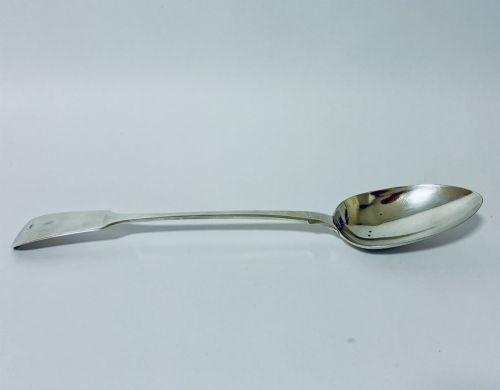
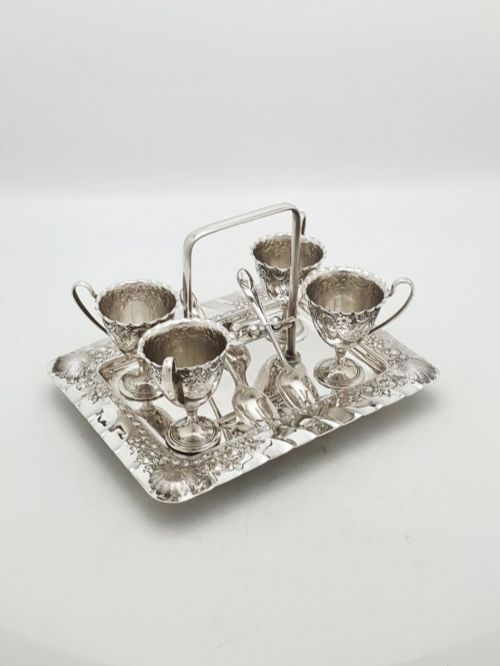
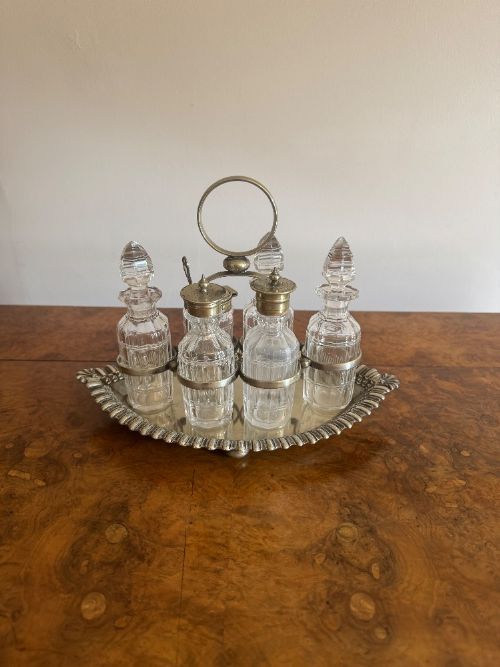
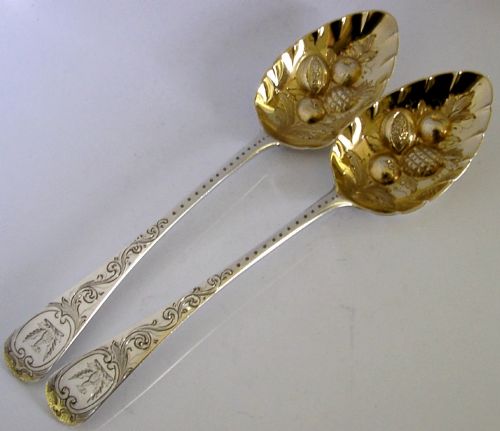
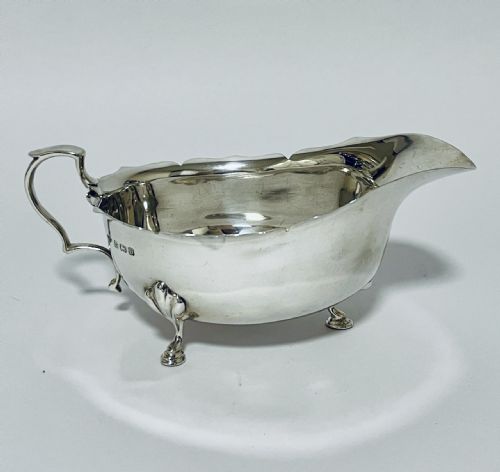
When you search for an antique silver table server, you encounter a diverse array of dining implements and serving vessels designed for the table. The selections span toast racks, serving tongs, sauce boats, entree dishes and cruet sets originating from Georgian, Victorian and Edwardian periods.
You are most likely to meet silver plated entree dishes, Edwardian toast racks and Victorian cruet sets on this page. These pieces reflect formal dining customs of the eighteenth, nineteenth and early twentieth centuries, rendered in sterling silver and silver plate.
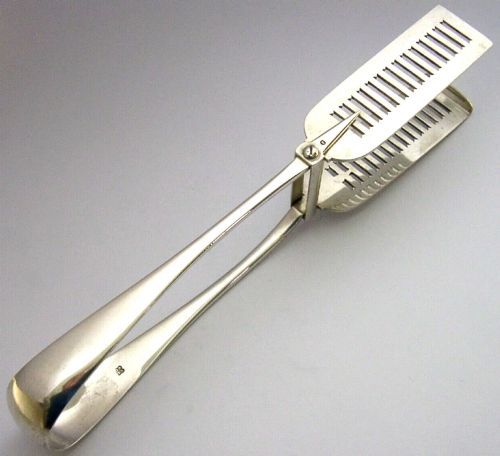
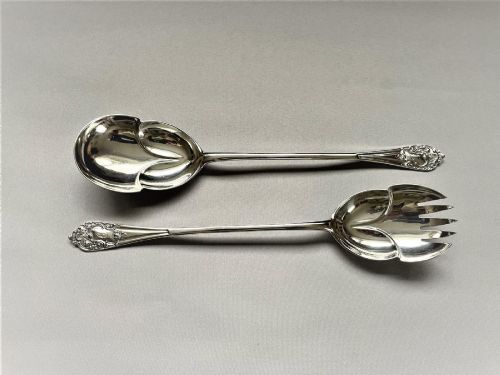
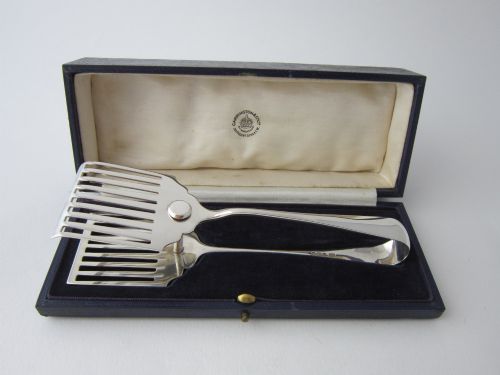
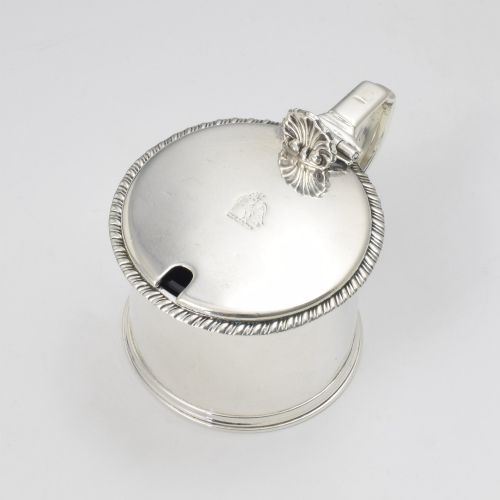
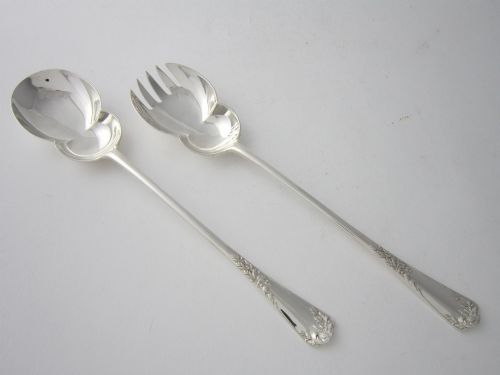
The assortment includes specialised items such as asparagus tongs, spoon warmers, mustard pots and salad servers alongside larger meat domes and punch bowls. Each object served a specific function in presenting and serving food during elaborate meals.
Materials and construction methods
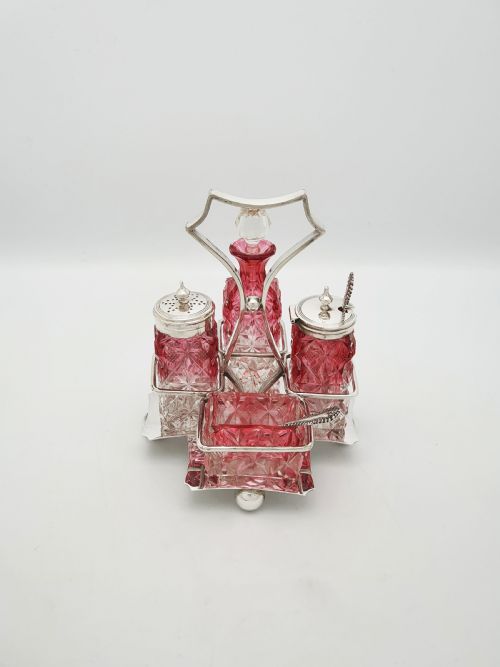
Makers utilised sterling silver and silver plate, frequently combining metalwork with cut glass, cranberry flashed glass, ceramic and carved oak. Old Sheffield Plate appears alongside electroplated nickel silver and standard silver plating techniques.
Construction involved precise smithing, piercing, embossing and casting, with handles often featuring reeded designs or floral motifs. Glass liners for butter dishes and cruet bottles were blown and cut to fit fitted metal frames.
Distinctions in craftsmanship and preservation
Quality separates through the crispness of chased or embossed ornamentation, the weight of the silver or base metal, and the integrity of the plating. Superior pieces retain their original glass liners, stands and engraved family crests without undue wear to the underlying metal.
The execution of functional details, such as the balanced spring in serving tongs or the secure fit of a meat dome, distinguishes high workshop standards. Maker marks and clear hallmarking further define the standing of individual serving pieces.
Roberts Cadman·Charles Fox II·Georg Jensen·Horace Woodward·Elkington Co·Theodore B Starr·Daniel and Arter
The Antique Silver Table Server Glossary
- Old Sheffield Plate
- A fused technique where a thin sheet of silver is applied to a copper core. This method predates electroplating and creates a distinct warm tone.
- Cruet Set
- A matched collection of bottles or containers for condiments, mounted on a frame or stand. These sets frequently hold oil, vinegar, mustard and pepper.
- Toast Rack
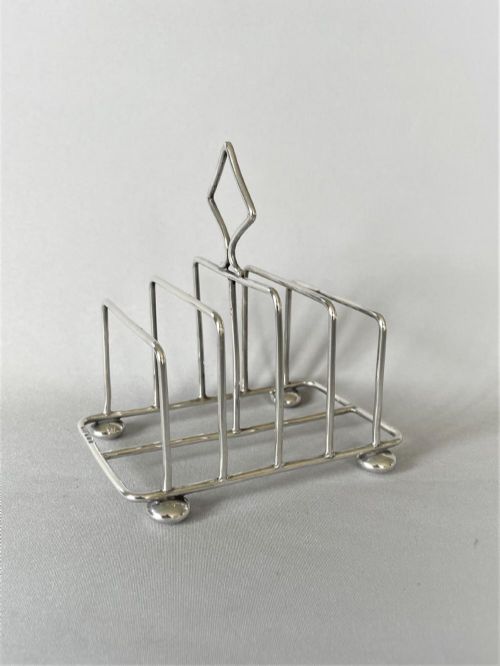
- A table accessory featuring parallel metal loops designed to hold slices of toast upright. They appear in configurations ranging from four to six slices.
- Entree Dish
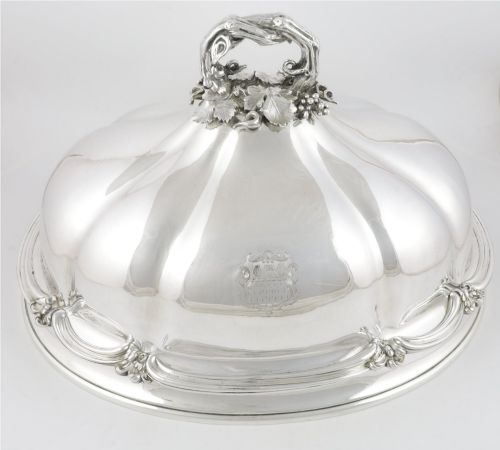
- A covered serving vessel intended for main courses or side dishes. Many include original stands or warming bases.
Antique Silver Table Server: Frequently Asked Questions
How do I identify a Georgian server?
Georgian serving pieces date from the eighteenth or early nineteenth century and often display hand-wrought sterling silver construction, crisp bright-cut engraving or traditional maker marks.
Many examples feature classical proportions, distinctive crests and heavier gauge silver without the mass-production indicators found in later Victorian items.
What is Old Sheffield Plate?
Old Sheffield Plate is an early composite material created by fusing a thin layer of sterling silver onto a thick copper base under high heat.
This technique produces a durable finish where subtle hints of copper may occasionally show through wear along high points, adding historical character.
How were cruet sets used?
Cruet sets held liquid condiments and seasonings such as oil, vinegar, mustard and pepper during formal dining. Diners used the individual bottles to flavour food at the table.
The sets typically sat in fitted metal frames with handles for easy circulation among guests.
Are silver plated items durable?
Silver plated items manufactured by established nineteenth and twentieth-century firms possess substantial base metal foundations beneath the plating. With careful cleaning using appropriate silver care products, the plating remains stable.
Avoid abrasive cleaners to preserve the silver layer over decades of use.