




Crested Silver Servers
Crested silver servers carry the tangible identity of past households through precious metal and engraved family crests.
Crested Silver Servers
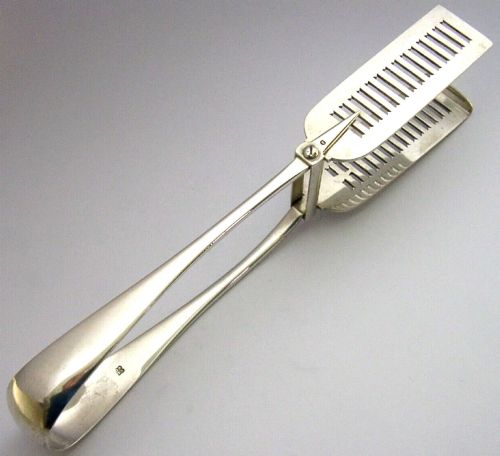
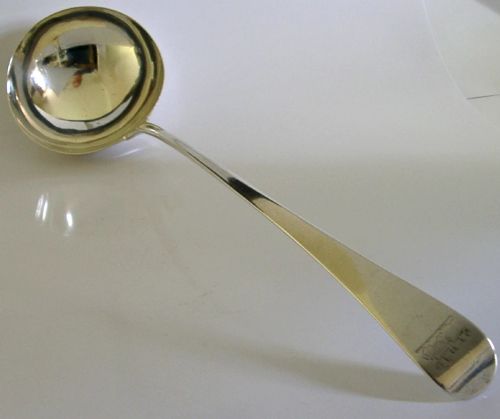
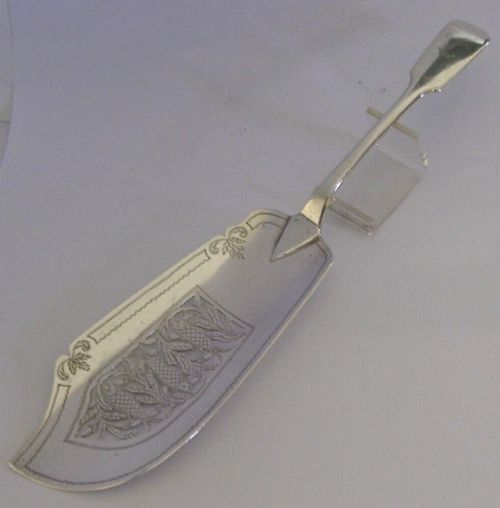
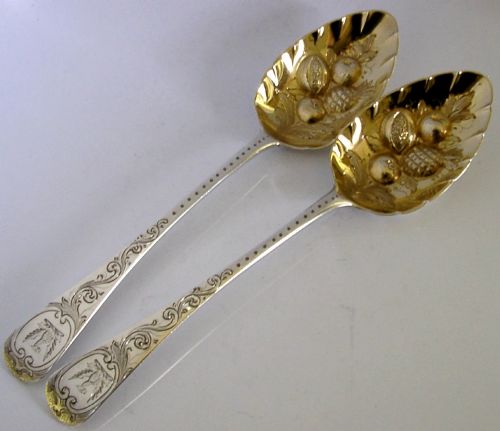
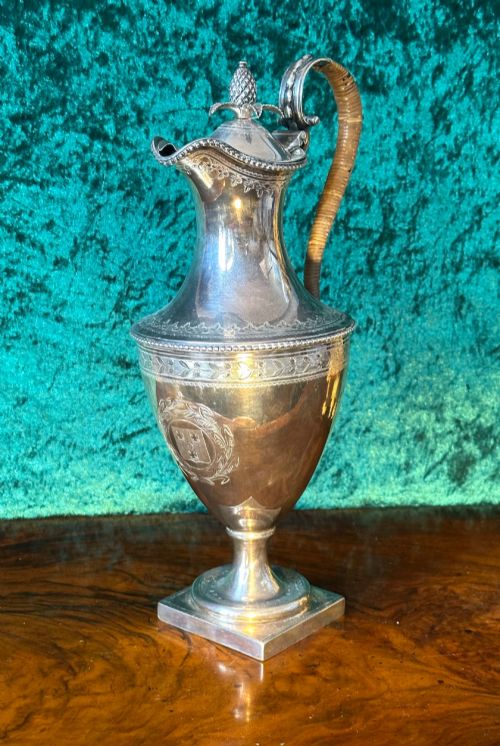
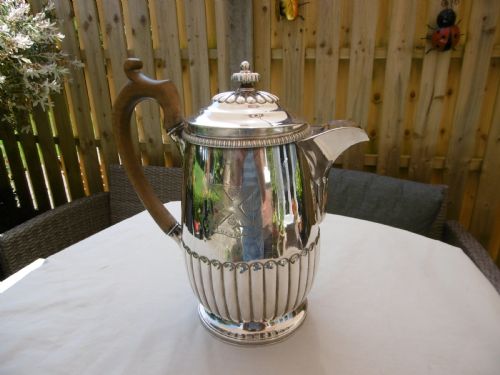
When you search for crested silver servers, you look for functional tableware marked with engraved heraldic symbols denoting original ownership. These pieces appear across Georgian and Victorian periods, taking forms such as ladles, serving tongs, fish servers, berry spoons, coffee pots, tablespoons, and meat covers.
You are most likely to meet sterling silver pieces dating from the late eighteenth century through the nineteenth century on this page. Makers utilised sterling silver alongside silver plate, incorporating auxiliary materials like gilt, wicker, wood, horn, and whalebone into specific forms.
The objects range from large soup or punch ladles bearing the Davy crest to serving tongs and coffee pots associated with families such as Walker, O'Connor, Fenwick, and McFarlane. Scottish toddy ladles and private die tablespoons also emerge among the selection, reflecting distinct regional output from makers like John McDonald and R Grey.
Materials and Construction
Silversmiths formed these servers primarily from sterling silver, shaping heavy gauges for items requiring structural strength like meat covers, serving tongs, and coffee pots. Silver plate also appears on larger display items such as meat covers, offering an alternative manufacturing approach.
Engravers hand-cut familial crests and armorial bearings directly into the metal surface using sharp gravers to personalise each utensil. Subsidiary elements introduce contrasting textures, utilising horn, whalebone, wood, and wicker on handles or insulated fittings.
Crested Silver Servers Retail Price Guide 2026
Typical asking prices for crested silver servers among the pieces listed under this phrase on Sellingantiques today, from the lower quarter to the upper quarter. They describe what is for sale here now, not the wider market.
Whalebone handles on antique ladles provided insulation against hot liquids, proving that early diners appreciated ergonomics as much as heraldry.
Assessing Quality and Execution
Quality separates through the crispness of heraldic engraving and the weight of the metal utilised in the body of the server. Thicker gauge sterling silver yields superior heft and rigidity, preventing flex during use.
The skill of the maker dictates the elegance of form and balance, distinguishing standard production utensils from bespoke pieces commissioned by prominent silversmiths.
Hester Bateman·Walker Family·Matthew Boulton·John McDonald·R Grey
The Crested Silver Servers Glossary
- Crest
- A specific heraldic device belonging to a family, engraved onto the surface of the silver. It often depicts animals, birds, or symbolic objects.
- Sterling Silver
- An alloy containing ninety-two point five percent silver by mass, forming the primary material for the majority of these servers. It provides durability and a bright finish.
- Silver Plate
- A base metal foundation coated with a thin layer of silver. This technique allowed larger items like meat covers to be produced with reduced weight and material cost.
- Private Die
- A custom die commissioned by a silversmith or family to produce unique spoon handles or crests. This denotes a higher level of bespoke manufacturing.
Crested Silver Servers: Frequently Asked Questions
What are crested silver servers?
Crested silver servers are functional utensils and display items made from sterling silver or silver plate that feature engraved family crests. They encompass items such as ladles, tongs, fish servers, and coffee pots.
These pieces were commissioned by prominent households to display lineage and wealth at the dining table, combining practical utility with heraldic art.
How do I identify the crest?
The crest is hand-engraved onto the smooth surface of the silver, typically depicting heraldic animals, plumes, or symbolic motifs. Researching the associated family name can often reveal the history of the original owner.
Engraving depth and clarity vary according to the skill of the artisan who executed the work during the Georgian or Victorian period.
How should I care for antique silver?
Antique silver requires gentle cleaning with non-abrasive cloths and specialised silver polish to preserve the engraved details and original patina. Avoid harsh chemical dips that strip the surface.
Store pieces in dry conditions away from direct sunlight, and utilise tarnish-preventing fabrics if kept in storage for extended periods.