


Crested Sterling Silver
Crested sterling silver brings together the weight of traditional smithing and the personal heraldry of past owners.
Crested Sterling Silver
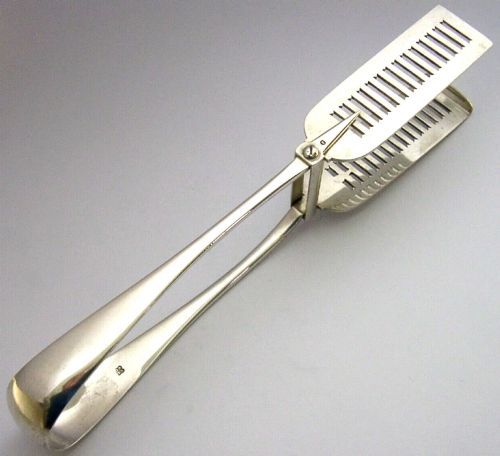
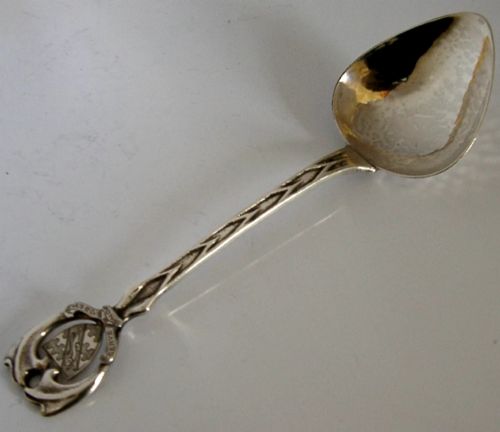
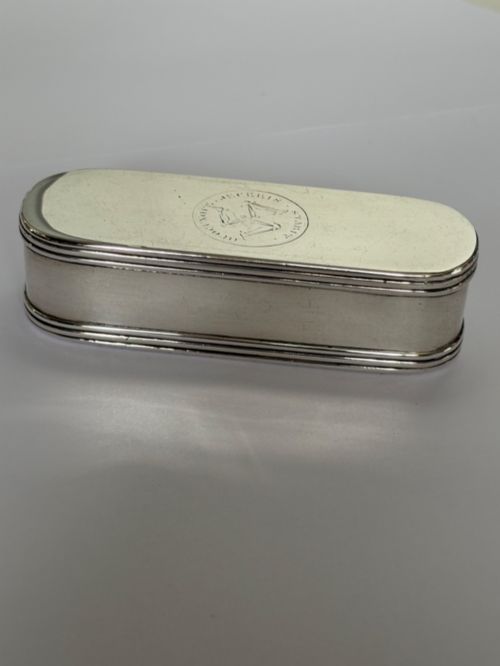
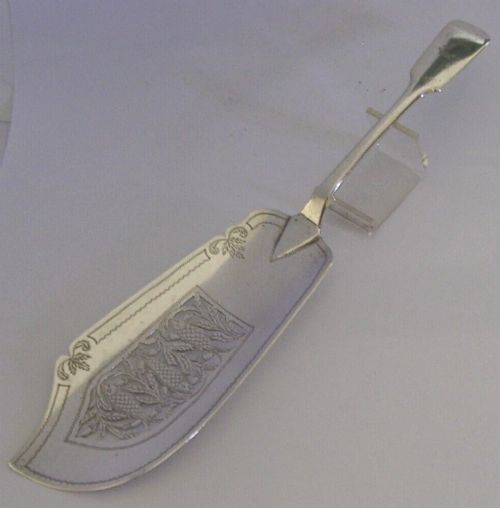
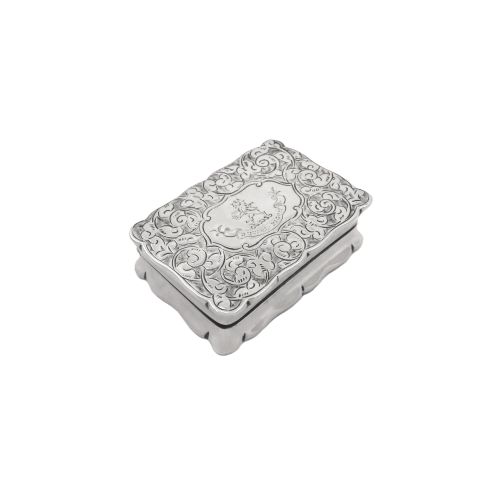
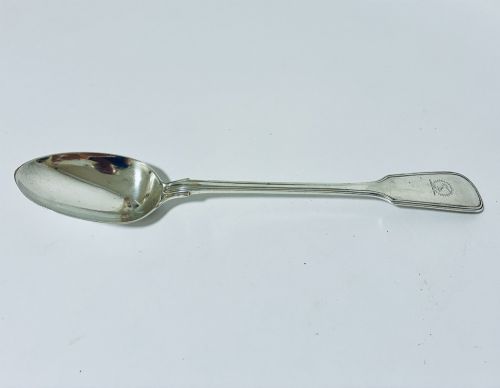
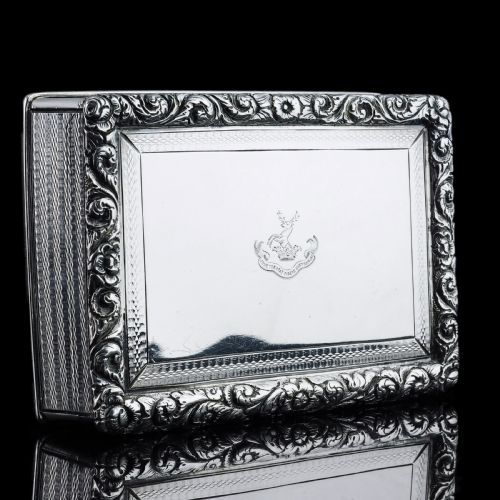
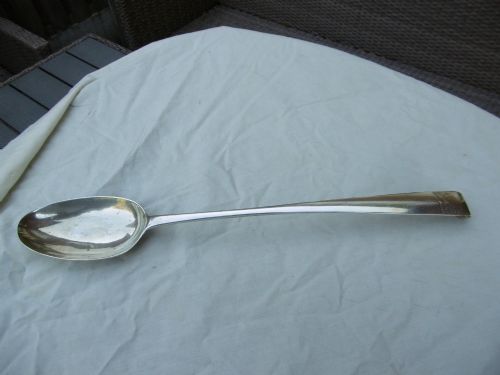
When exploring crested sterling silver, you encounter functional domestic silver marked with engraved family crests, coats of arms, or mottoes. These items span flatware, serving utensils, small boxes, and desk accessories intended for daily elite use.
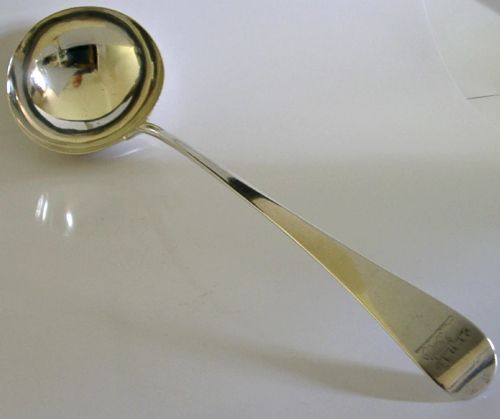
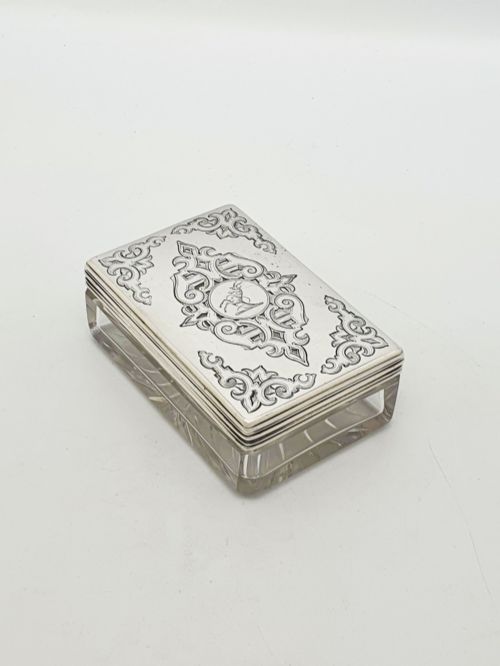
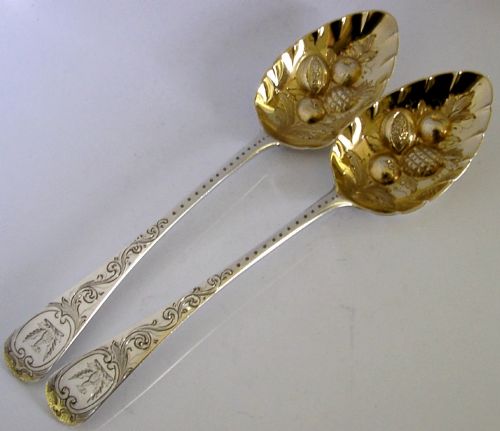
The pieces on this page originate predominantly from Georgian and Victorian workshops, reflecting centuries of British silversmithing traditions. You regularly find serving spoons, ladles, and snuff boxes bearing distinct heraldic markers of their original households.
How they were made
Silversmiths shaped these items from solid sterling silver, often employing casting, hammering, and hand-chasing techniques to form hollowware and flatware. Artisans applied bright-cut engraving or deep hand-punching to render the family crests and armorial bearings with sharp detail.
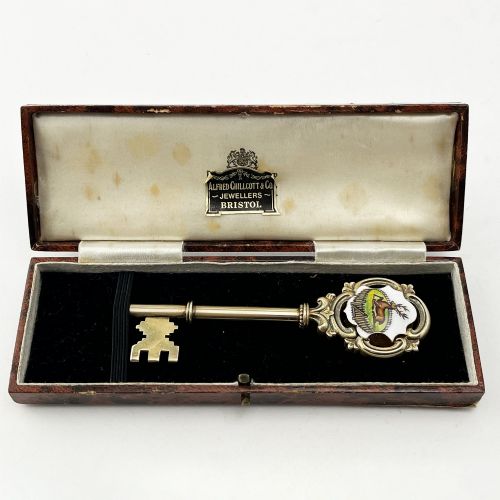
Selected pieces incorporate silver gilt, cut glass, enamel, or leatherette inserts, combining secondary materials with the primary silver structure. Workshops across London, Dublin, Edinburgh, and provincial centres utilised traditional punches to mark purity and town origins.
What varies in quality
Quality rests upon the crispness of the heraldic engraving and the proportional balance of the base object. Master heraldic engravers achieved deep, legible relief that remains sharp after centuries of handling.
Hester Bateman·Joseph Willmore·Cornelius Bland·Robert Breading·Susannah Barker
The Crested Sterling Silver Glossary
- Crest
- A specific heraldic device belonging to a family, hand-engraved onto the surface of the silver. It denotes the lineage or household of the original owner.
- Sterling silver
- An alloy consisting of pure silver and other metals, standardised for durability. It forms the primary material standard across these historical listings.
- Silver gilt
- Sterling silver that has been coated with a thin layer of gold, often applied to the interior bowls of spoons or boxes. This technique protected the silver from acidic contents.
- Hollowware
- Tableware items such as bowls, pots, and boxes that possess volume rather than flat profiles. These pieces demonstrate advanced smithing and joining methods.
- Assay mark
- A stamped symbol indicating the testing of metal purity by an official office. These marks reveal the town of assay, the purity standard, and the date letter.
Crested Sterling Silver: Frequently Asked Questions
What is crested sterling silver?
Crested sterling silver refers to historical silver objects that feature hand-engraved family crests, crests of office, or armorial bearings. These symbols identified the property of prominent households and institutions.
Items range from dining utensils and serving ladles to personal snuff boxes and desk accessories. Each crest connects the physical object to a specific lineage recorded in heraldic archives.
How can I identify the age?
Dating relies primarily on the hallmarked stamps pressed directly into the metal by official assay offices. These marks typically include a date letter corresponding to the exact year of testing.
Stylistic indicators such as spoon bowl shapes, handle patterns, and the style of the engraved crest offer further clues. Georgian pieces show distinct hand-wrought traits compared to later Victorian manufacturing methods.
Why do some items have mottoes?
Mottoes accompanying family crests served as traditional declarations of family values, loyalty, or ancestral history. They were engraved alongside the heraldic crest to reinforce identity.
These inscriptions appear in Latin, English, or regional languages such as Welsh. They provide collectors with additional genealogical details to trace the provenance of the piece.
How do I care for antique silver?
Maintaining antique silver requires minimal cleaning using specialised soft cloths and non-abrasive polishes. Avoiding harsh chemical dips preserves the delicate hand-engraving of the crests and the integrity of the original surface.
Storing pieces in dry, tarnish-resistant environments protects them from atmospheric corrosion. Regular, gentle handling develops a desirable historical patina over the decades.