
Antique Silver Serving Cutlery
Antique silver serving cutlery brings genuine heft and historic character to the table, and these pieces are sought after for their distinguished form and practical utility.
What antique silver serving cutlery is
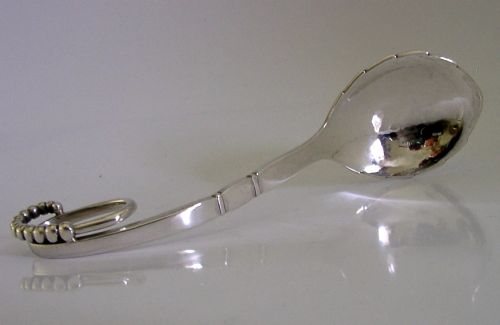
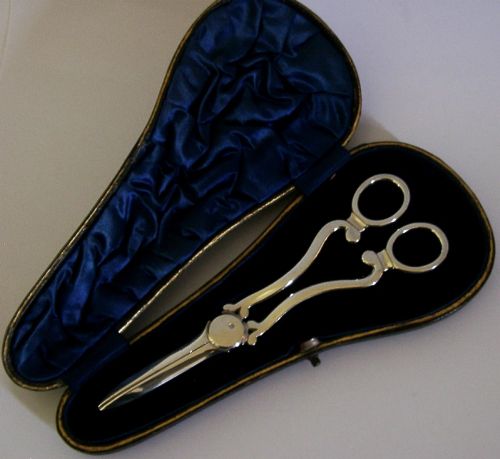
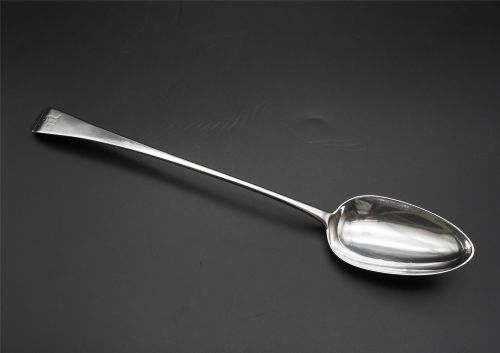
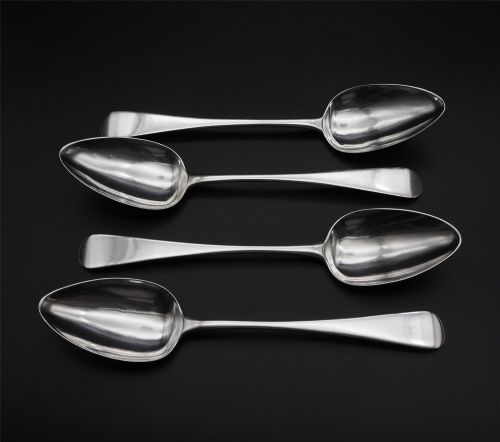
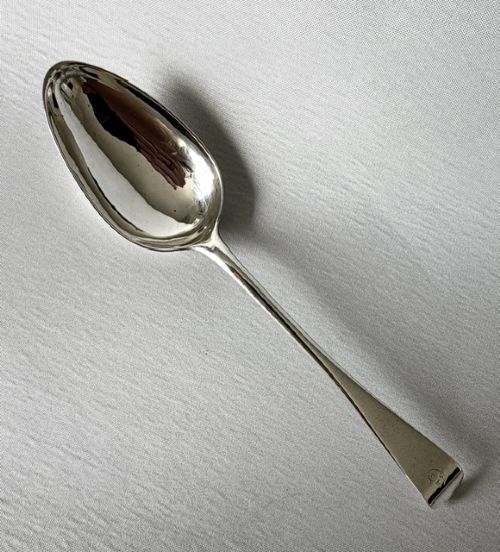
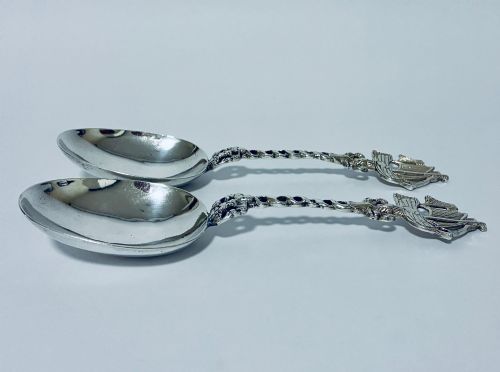
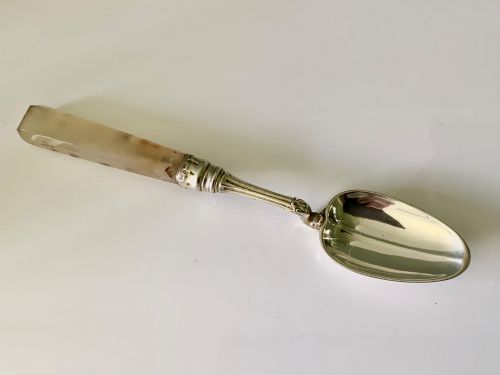
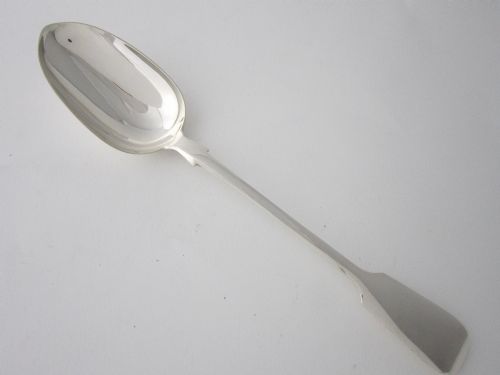
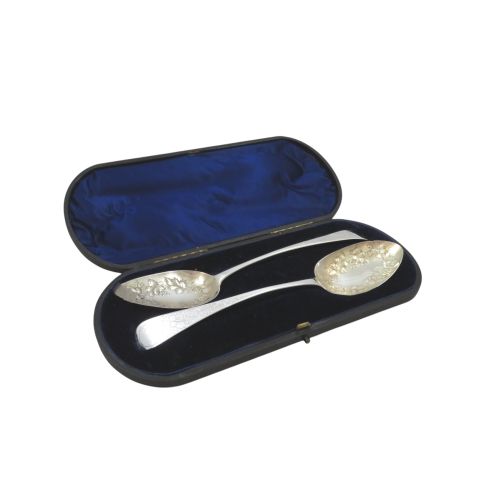
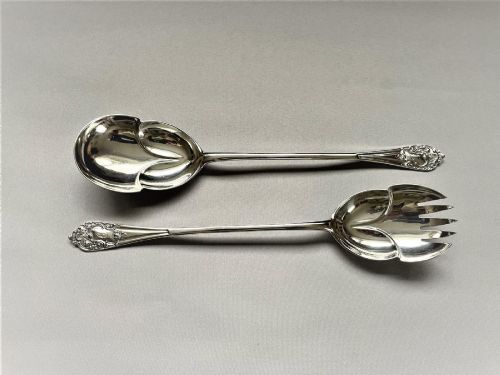
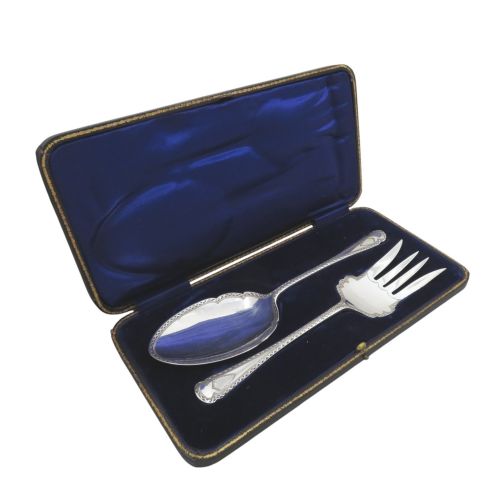
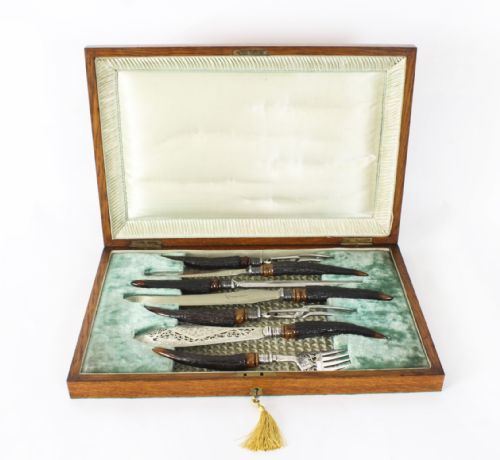
When you search for antique silver serving cutlery, you encounter substantive utensils designed for the dining table. These pieces encompass utilitarian implements intended to serve fish and large portions of food.
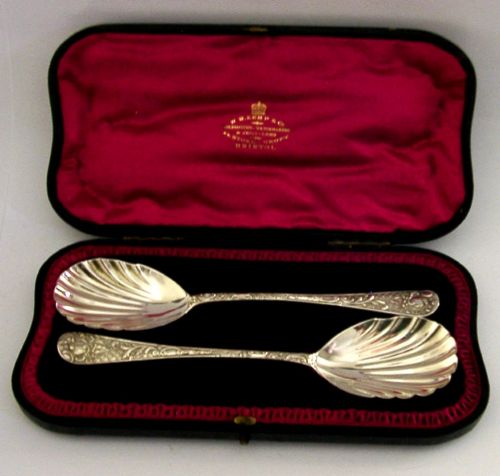
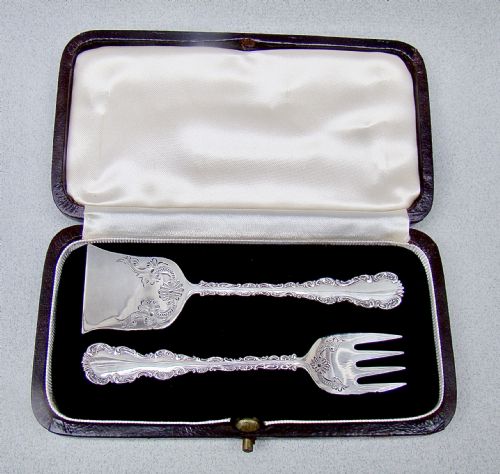
The selections available here predominantly span the Georgian and Edwardian eras, alongside pieces reflecting an 18th century French aesthetic. Buyers most frequently meet serving spoons and fish slices within this specific category.
Origin points range from British domestic production to continental workshop output, notably including Parisian silverwork. Each piece demonstrates the distinct design priorities of its respective period.
How antique silver serving cutlery was made
The construction of these implements relies heavily on sterling silver and higher purity silver standards such as 0.950 grade. Selected pieces incorporate organic materials like ebony, typically utilised for handles to provide contrast and a secure grip.
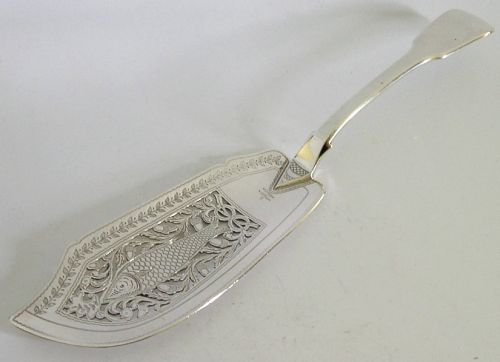
Smiths employed traditional hand-shaping and piercing techniques to create decorative apertures within the metal blades. Handles and bowls were forged or cast separately before being joined to form a balanced serving tool.
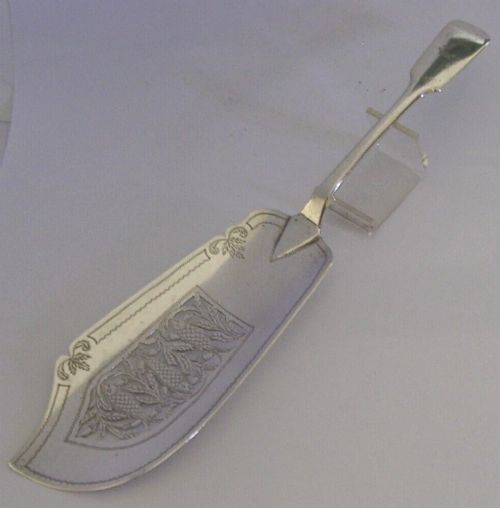
Fish slices often possess charmingly aggressive blades designed to carve through pike with polite aristocratic indifference.
What varies in quality
Quality in these utensils rests upon the crispness of the original piercing and the overall balance of the implement in the hand. Superior examples display finely articulated chased decoration and substantial gauge metal that resists flexing during use.
Lesser pieces often show thinning of the silver bowl or blade from decades of polishing, which diminishes the structural integrity of the edge. The integration of secondary materials like ebony also dictates value, depending on whether the mounting remains tight and flush.
The Antique Silver Serving Cutlery Glossary
- Serving spoon
- A large utensil designed for dishing vegetables, potatoes, or meats at the table. These bowls are considerably broader than standard dining spoons.
- Fish slice
- A wide, flat server often featuring a pierced or engraved blade intended for lifting delicate fish portions. The shape usually includes a triangular or spade-like termination.
- Sterling silver
- The traditional British silver standard comprising a specific proportion of pure silver alloyed with copper for durability. This standard is frequently denoted by the lion passant hallmark.
- Pierced
- A technique where metal is cut through to create decorative openwork patterns across the blade or bowl. This ornamentation reduces weight while adding visual lightness to heavy serving pieces.
Frequently Asked Questions
How do I use antique silver serving cutlery today?
These pieces function well for serving contemporary meals, bringing a tactile historic element to dinner parties and family gatherings. Using them gently for soft foods preserves the antique metal.
Hand washing is essential to protect both the silver and any organic handle components like ebony. Avoid abrasive cleaners to maintain the historic surface finish.
How do I tell Georgian silver apart from Edwardian pieces?
Georgian serving pieces typically exhibit heavier hand-wrought construction with simpler, functional lines reflecting the dining habits of the eighteenth and early nineteenth centuries. Hallmarks often provide the exact year of assay.
Edwardian items often revisit earlier historic styles with refined mechanical precision and lighter gauge metalwork. The decorative engraving on Edwardian pieces tends to be crisper and more uniform.
Why do some servers have ebony handles?
Ebony provides a dense, dark contrasting grip that remains comfortable and cool to the touch during use. It was chosen for high-end serving implements to balance the weight of large silver blades.
This tropical hardwood requires careful handling to prevent drying and cracking over the centuries. Regular conditioning helps preserve the deep black lustre of the wood.