
Georgian Sterling Flatware
Georgian sterling flatware brings authentic eighteenth and nineteenth-century silver to the table, offering tangible history and lasting utility for everyday dining.
Understanding Georgian Sterling Flatware
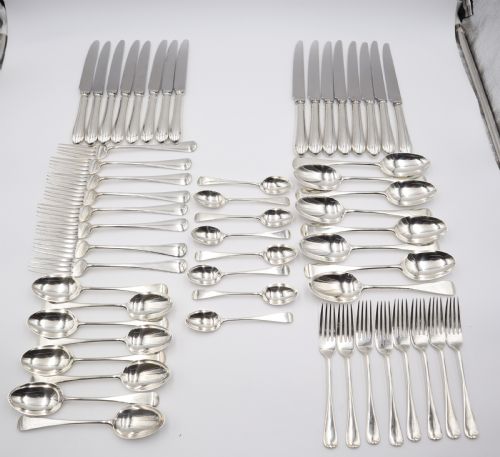
When you search for georgian sterling flatware, you encounter silver dining implements forged during the Georgian era alongside later matched pieces. These items span functional forms designed for the dining table and tea service.
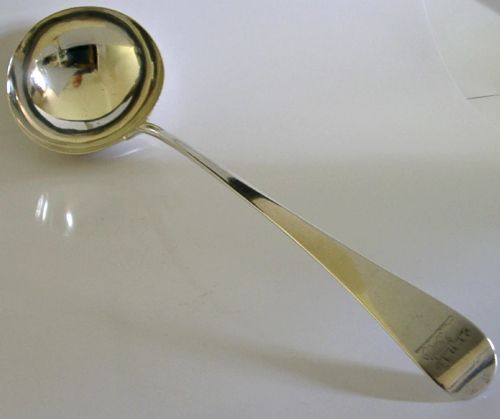
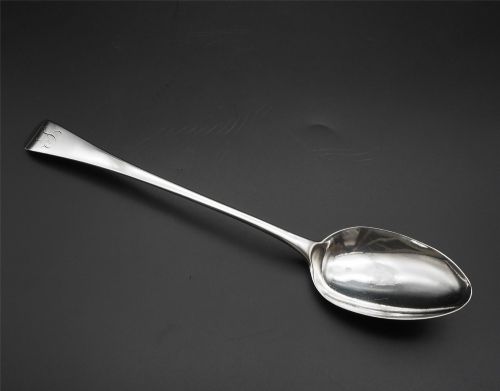
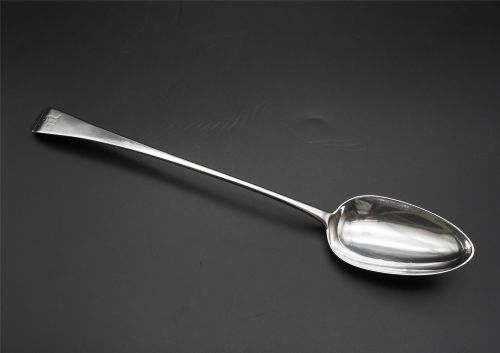
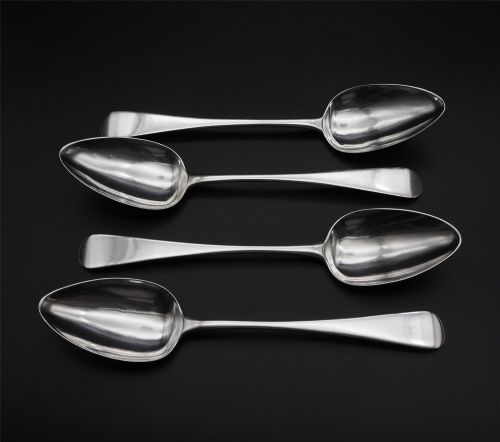
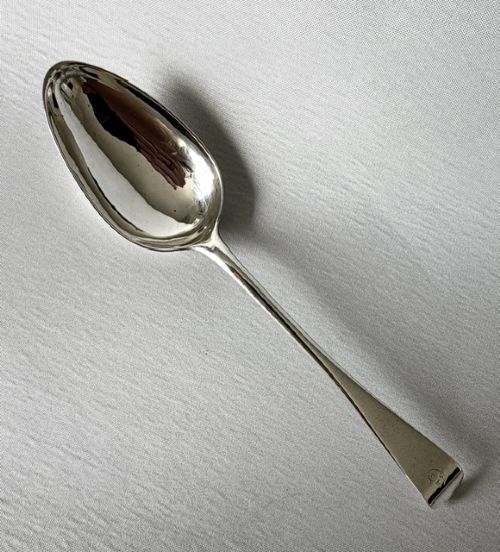
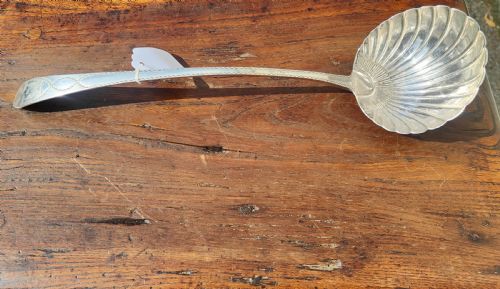
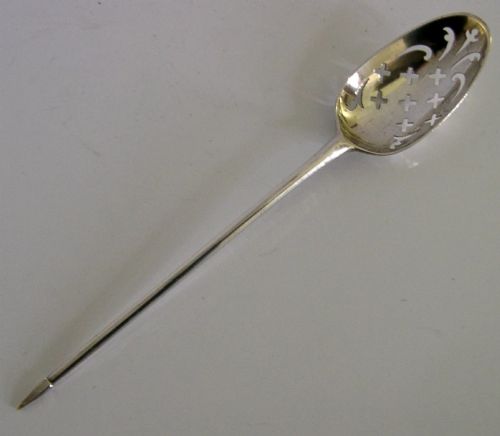
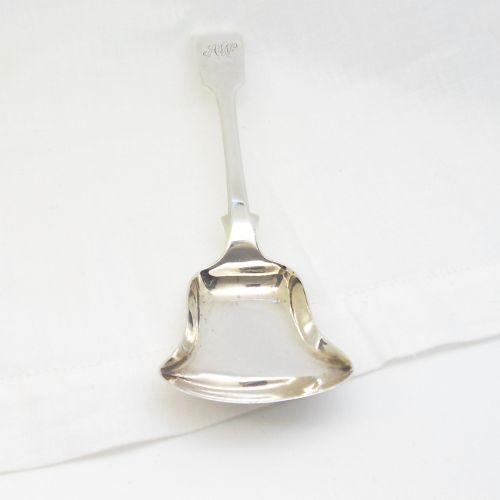
The assortment on this page includes teaspoons and serving spoons originating from distinct English assay locations. Pieces date from the George III period through to Edwardian interpretations of Georgian style.
Buyers frequently find matched pairs and sets of six, reflecting the typical groupings preserved from these historic periods. Each item carries the marks of its production era, connecting modern users directly to traditional silver craft.
Materials and Manufacture
Every piece in this category consists of sterling silver, providing the durable foundation required for functional tableware. This metal composition ensures the longevity of spoons used across generations.
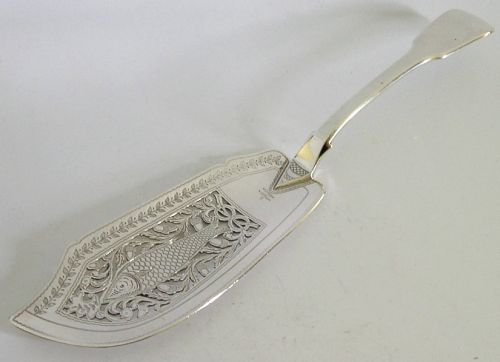
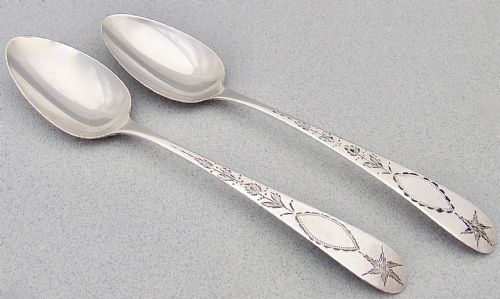
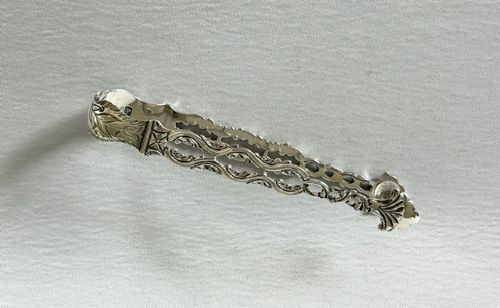
Manufacturing methods include traditional silversmithing techniques such as bright-cut engraving, which creates faceted geometric patterns across the surface. Items bear the specific hallmarks of provincial and capital assay offices, including London and Exeter, marking their geographical origin and year of creation.
These spoons have survived countless cups of tea and dinner parties without losing their bright-cut sparkle.
Markers of Quality
Quality in these items rests upon the crispness of the original engraving and the preservation of the silversmith's marks. Crisp bright-cut details indicate superior handwork that survives centuries of use.
Proportion and weight distinguish finer examples from standard production, as does the clarity of the assay office stamps. Matched sets demonstrate greater uniformity in form and decorative application compared to assembled groups.
The Georgian Sterling Flatware Glossary
- Sterling silver
- A silver alloy containing 92.5 percent pure silver by mass, chosen for tableware due to its strength and bright lustre.
- Bright-cut engraving
- A surface decoration technique using faceted V-shaped cuts to reflect light and create sparkling geometric patterns. This method was widely utilised on eighteenth-century spoons.
- Assay office
- An official body that tests the purity of precious metals and stamps items with hallmarks. London and Exeter are prominent examples found on these pieces.
- Serving spoon
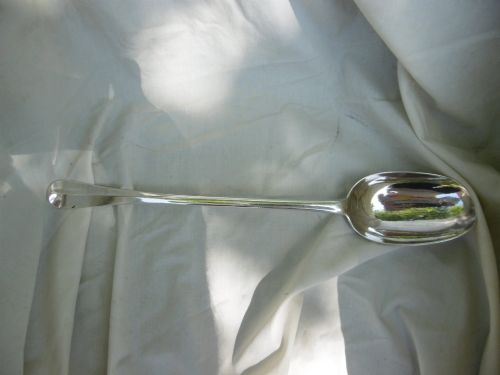
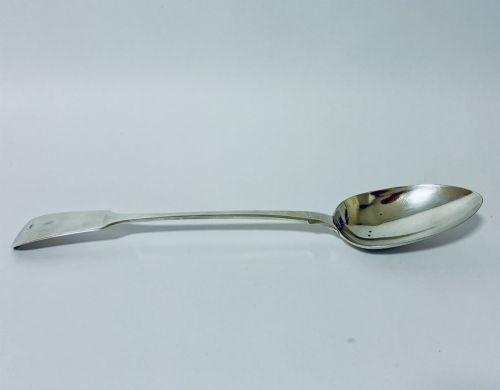
- A large utensil designed for portioning food at the table, substantially exceeding the dimensions of standard eating spoons.
Frequently Asked Questions
Can I use georgian sterling flatware daily?
Sterling silver handles regular use well provided it receives gentle hand washing and proper storage. Many collectors enjoy incorporating these historic pieces into modern dining routines.
Avoid abrasive cleaners and automatic dishwashers to preserve the surface engraving and the integrity of the metal over time.
How do I identify the age of these spoons?
Makers mark silver items with a combination of assay office symbols, date letters, and monarch profiles. These punches reveal the exact town and year of production.
Reference guides connect specific letter shapes to precise manufacturing years, allowing accurate dating of George III and later pieces.
What is bright-cut engraving?
Bright-cut engraving involves cutting shallow facets into the silver surface with a graver. The angled cuts catch the light dynamically.
This decorative style appears frequently on late eighteenth-century teaspoons, adding refined texture without adding bulk to the handle.
Why are some sets matched?
Matched sets combine individual items sharing similar stylistic traits or makers to form a cohesive group. Silversmiths often produced compatible pieces to meet dining requirements.
Assembled sets allow users to acquire multiple spoons of the same era even if they originated from different workshops.