
Antique Sterling Spoon
When you search for an antique sterling spoon, you are looking for centuries of silversmithing skill concentrated in a single, functional object.
Antique Sterling Spoon
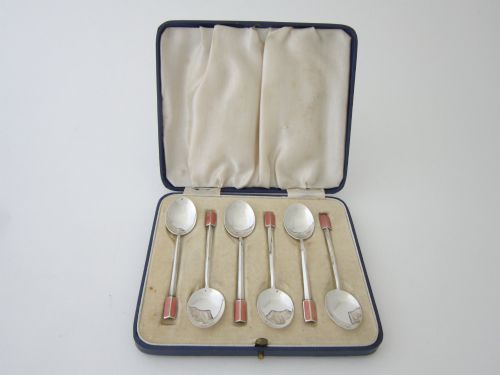
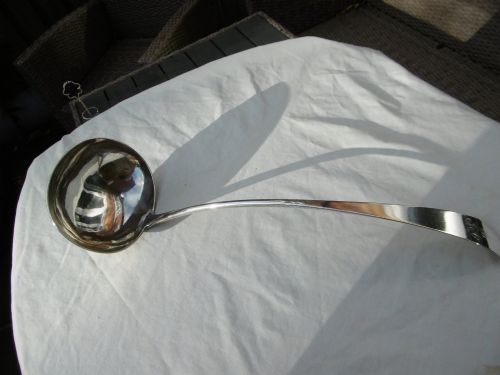
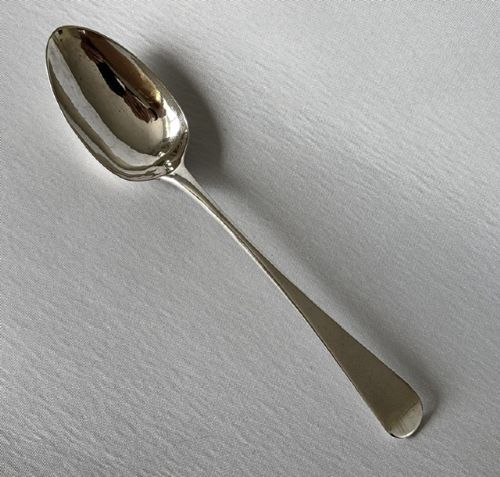
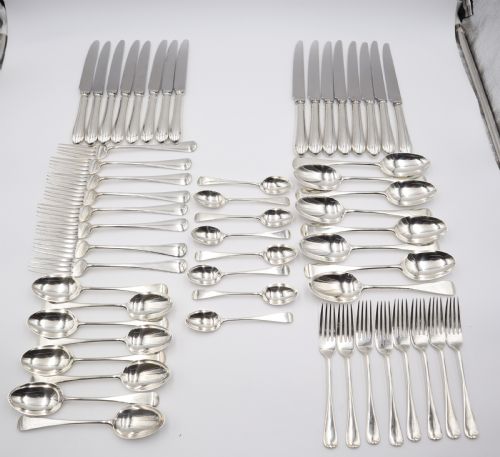
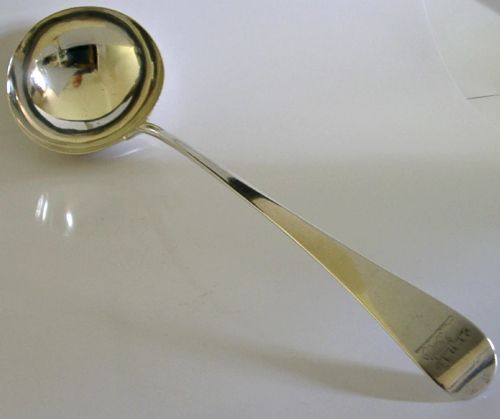
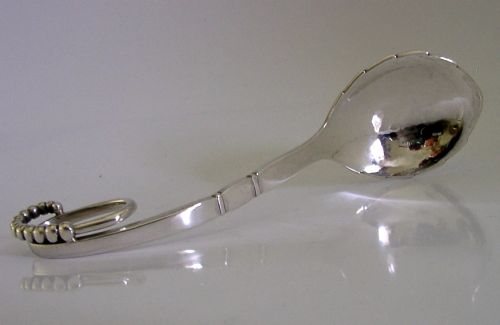
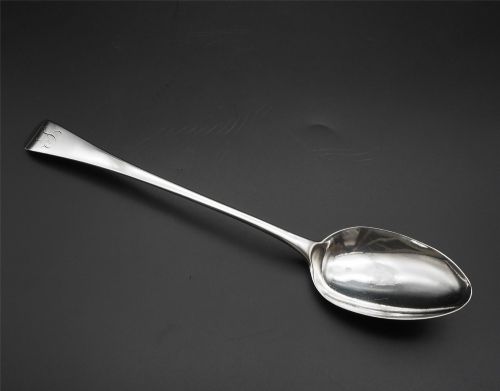
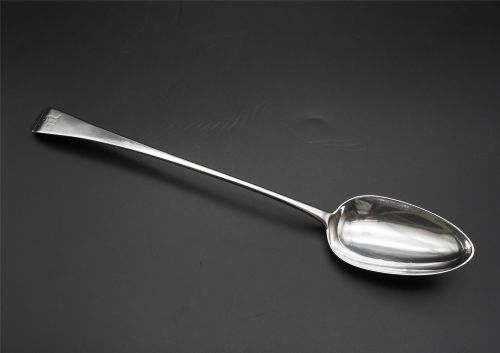
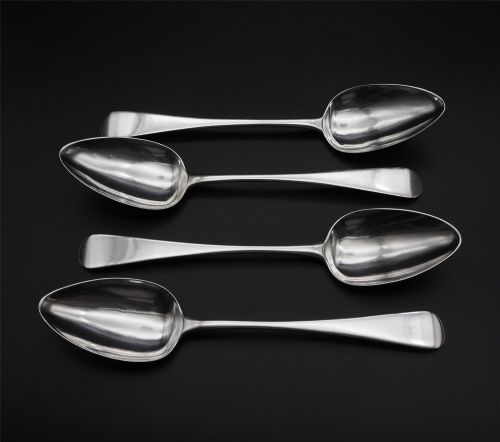
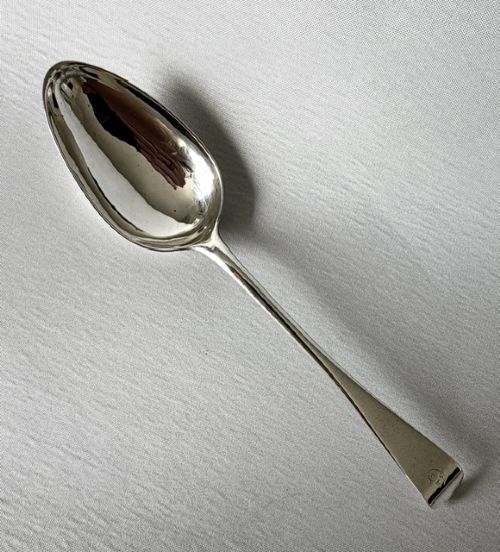
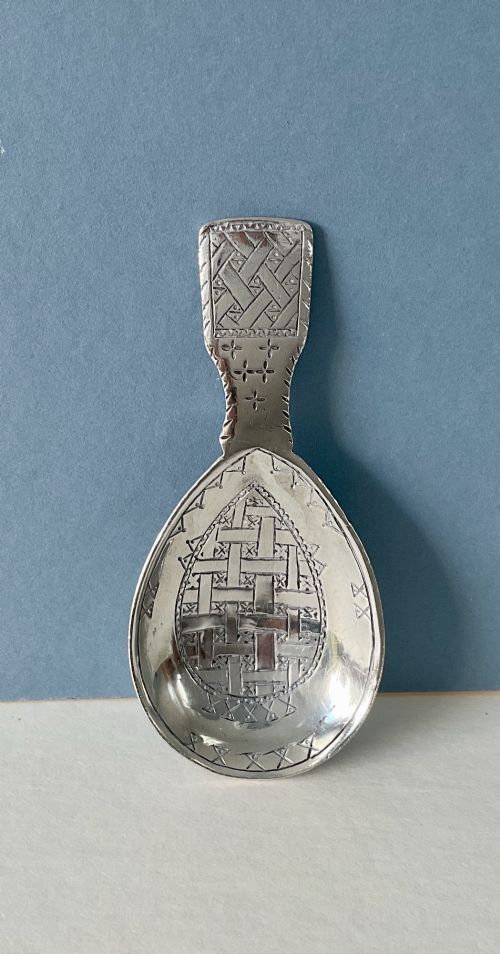
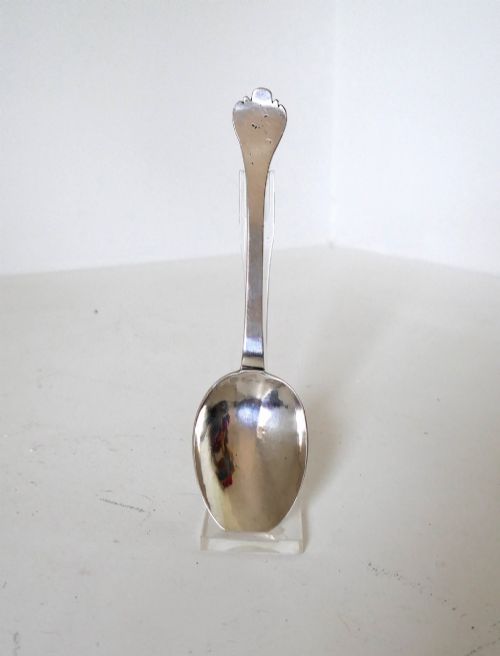
The search phrase encompasses everything from heavy 18th Century serving implements and George III caddy spoons to delicate Victorian tea sets and Arts and Crafts pieces. Buyers will find a diverse array of forms on this page, including basting spoons, ladles, mustard pots with matching spoons, and novelty designs.
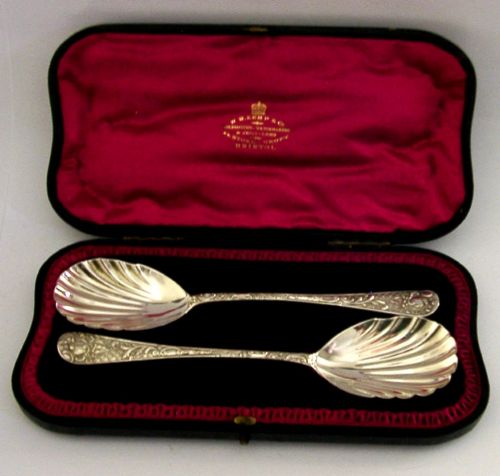
Georgian and Victorian examples dominate the available selection, often appearing as individual serving pieces or part of cased sets alongside silver sugar bowls and cream jugs. Pieces range from plain utility flatware to highly decorative forms featuring embossed fruit, figural handles, and crests.
How They Were Made
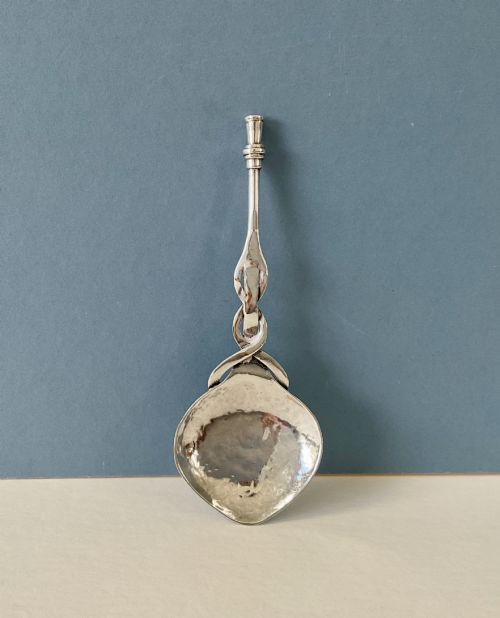
Makers shaped these items primarily from solid sterling silver using traditional hand-hammering, casting, and piercing techniques. Many Arts and Crafts examples display visible planished marks on the bowls and stems, recording the physical labour of the silversmith.
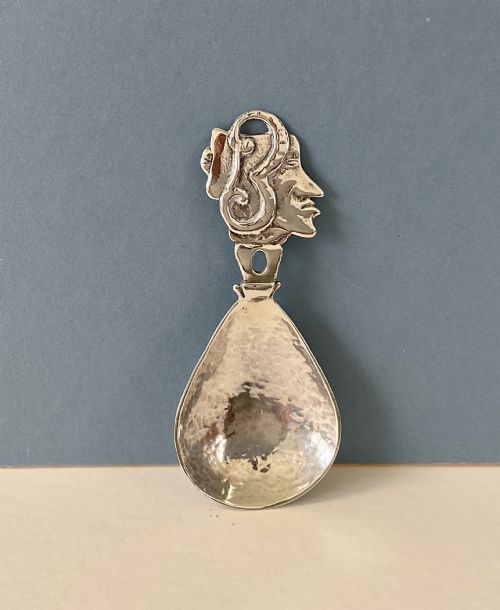
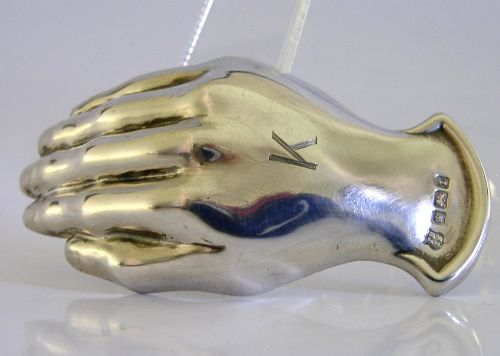
Specialised caddy spoons frequently utilise cast and embossed bowls shaped like leaves, hands, or novelty items such as jockey caps and animals, soldered to hand-formed handles.
What Varies in Quality
The standard of an antique sterling spoon depends on the crispness of the original chasing, the weight of the silver relative to the size of the object, and the prominence of the maker. Master silversmiths achieved superior balance in the hand and sharper detail in engraved motifs like bright-cutting or family crests.
Peter and Jonathan Bateman·Hester Bateman·Georg Jensen·Martin Hall and Co·Joseph Willmore·Andrew Archer·John Pittar·Alfred Marston·Liberty and Co·Sandheim
The Antique Sterling Spoon Glossary
- Sterling silver
- A silver alloy containing 92.5 percent pure silver and 7.5 percent other metals, usually copper, to add strength. This standard has been used in British silver manufacturing for centuries.
- Caddy spoon
- A short-handled spoon specifically designed for measuring loose tea leaves from a caddy. These often feature decorative or novelty bowls.
- Basting spoon
- A large, long-handled spoon used originally for basting meat during roasting. In silver collections, these function as grand serving implements.
- Sifter spoon
- A spoon with a pierced or perforated bowl designed for dusting sugar over food. They frequently accompany sugar basins or spice sifters.
- Planished
- A surface texture produced by hammering metal with a rounded mallet or hammer. This technique leaves a pattern of small, flat facets across the silver.
Antique Sterling Spoon: Frequently Asked Questions
What were caddy spoons used for?
These small spoons were kept inside tea caddies to measure out dry tea leaves when tea was an expensive and carefully guarded commodity.
Their compact size and inventive bowl shapes allowed them to reach deep into storage jars.
How can I tell the date of a silver spoon?
British silver typically carries a series of hallmarks stamped directly into the metal, including a maker's mark, a standard mark, an assay office mark, and a date letter.
Matching these stamped symbols against official hallmarking records reveals the exact year and town of manufacture.
Were large serving spoons used every day?
Heavy basting spoons and large ladles were primarily utilised in wealthy households for formal dining and serving communal dishes from large bowls.
Over generations, many survived because they were kept out as display pieces or stored securely in fitted cases.
How do I care for antique sterling silver?
Silver naturally tarnishes when exposed to air, but regular gentle cleaning with a soft cloth and specialised silver polish maintains the metal's natural lustre.
Avoid abrasive cleaners that can wear away crisp hand-engraved crests and delicate surface decoration.