



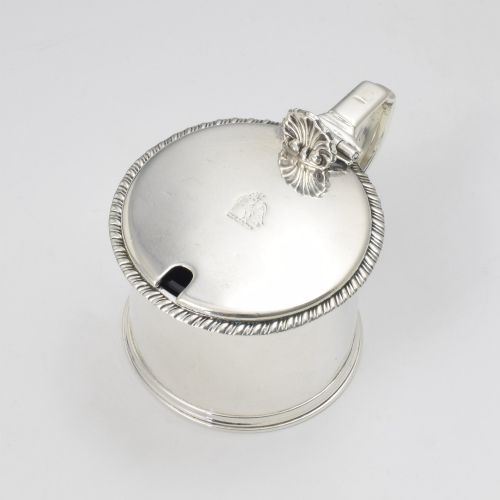
Georgian Silver Server
A georgian silver server is a specialist piece for the dining table, valued for its fine weight and traditional craftsmanship.
Georgian Silver Server
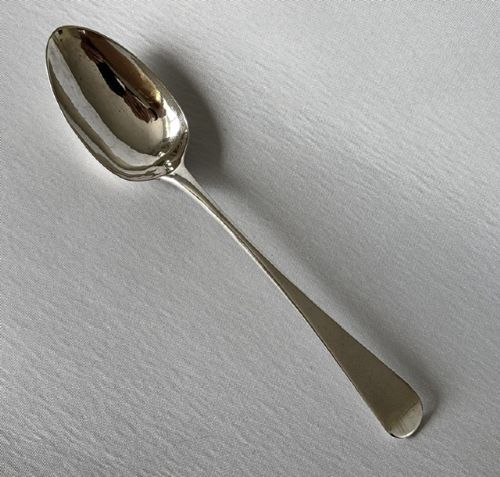
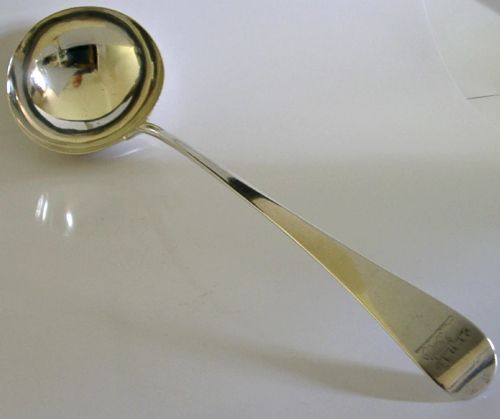
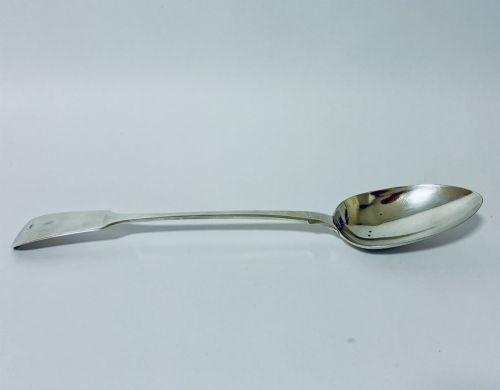
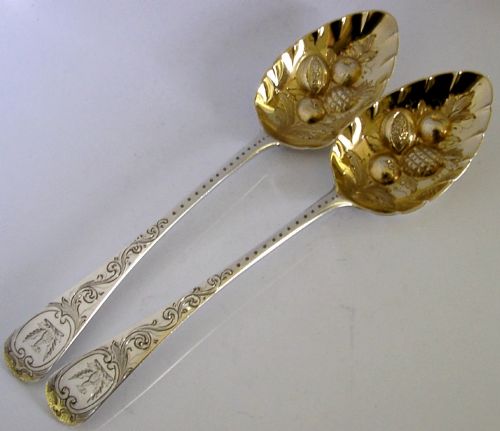
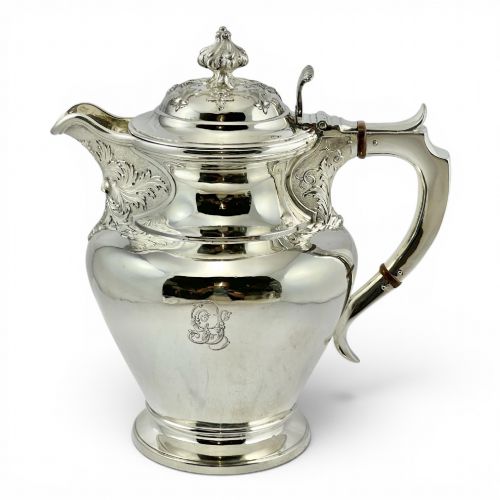
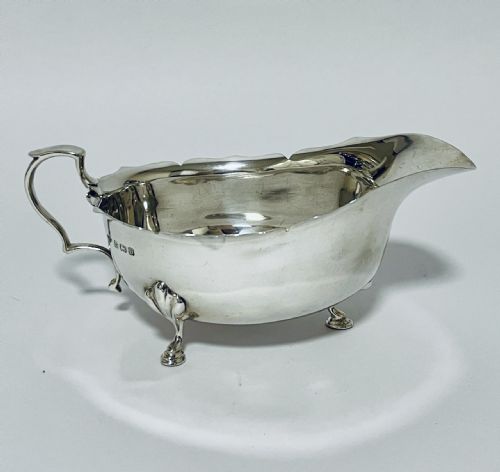
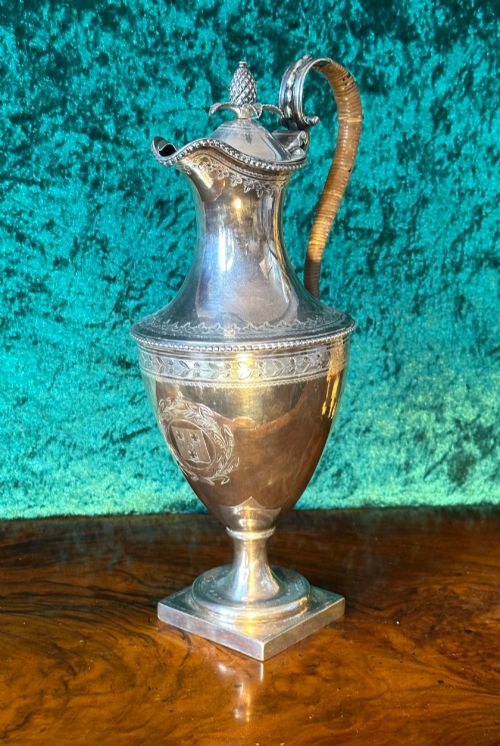
A georgian silver server encompasses specialist dining implements designed for fish, meat, asparagus and dessert, alongside large spoons and ladles. These pieces originate predominantly from the eighteenth and nineteenth centuries, spanning eras from George II through to William IV.
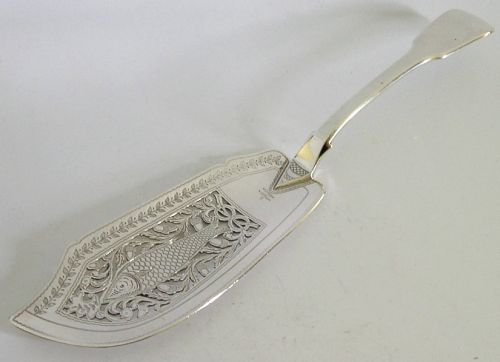
Buyers will most frequently encounter solid sterling silver fish slices, asparagus tongs and berry spoons on this page. Many pieces carry crests or intricate pierced blades, reflecting the formal dining habits of their original owners.
How they were made
Silversmiths utilised sterling silver and Old Sheffield Plate, shaping the metal through hammering, casting and piercing. Handles often incorporate reinforcing materials such as bone, wood or mahogany to provide balance and grip during use.
Blades and bowls were frequently hand-engraved with armorial crests or pierced with geometric and floral lattices. Makers applied punches for city assay offices, date letters and their own maker marks directly onto the metal surface.
Listings feature sterling silver, Old Sheffield Plate and copper, alongside organic additions like mahogany, wood and bone.
What varies in quality
Quality rests on the crispness of the hand-engraving, the thickness of the gauge metal and the integrity of the original hallmarks. Pieces retaining deep, legible maker marks and well-defined piercing sit at the upper end of the scale.
The balance of the utensil and the survival of secondary elements, such as wooden handles or bone inserts, dictate the desirability of an item. Superior examples show minimal wear to engraved crests and retain their intended structural rigidity.
Peter & Jonathan Bateman·Hester Bateman·Roberts Cadman·William Burwash·Charles Fox II·William Ferguson·Matthew Boulton·James Tookey·Robert Hennell I·Elizabeth Morley·Crossley & Smith
The Georgian Silver Server Glossary
- Hallmark
- A series of stamped official marks applied to precious metals indicating the standard of purity, the assay office, the maker and the year of production.
- Old Sheffield Plate
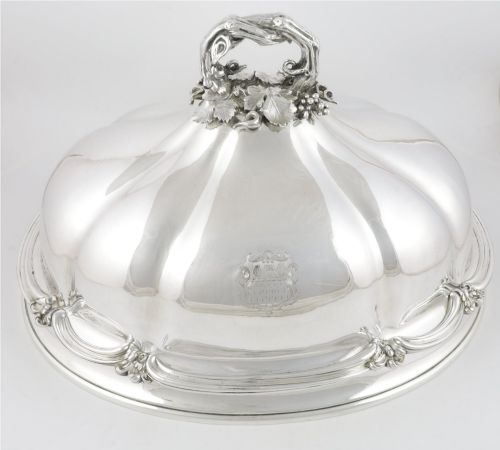
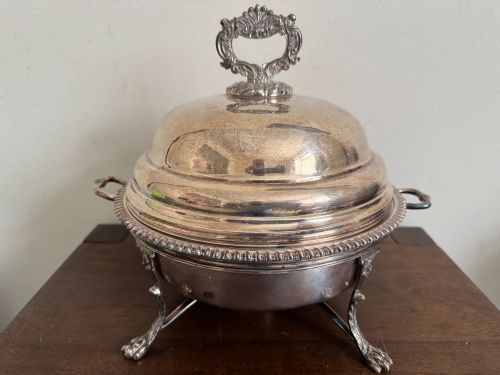
- A composite material made by fusing a thin sheet of silver to a thicker copper base, common in serving vessels and domes from the period.
- Fish slice
- A flat, wide-bladed server designed for portioning fish at the table, often featuring pierced decoration and a sturdy handle.
- Asparagus tongs
- Specialised spring-action servers used to lift and hold stalks of asparagus without damaging the vegetable.
- Crest
- An armorial engraving or stamp denoting the family lineage of the original owner.
Georgian Silver Server: Frequently Asked Questions
How do I clean a silver server?
Maintenance requires mild, non-abrasive silver polish and a soft cloth to protect the antique surface and engravings. Regular washing in warm soapy water prevents tarnish build-up without harming the metal.
Avoid harsh chemical dips, particularly on pieces with bone or wood handles, as moisture and strong solutions damage organic components.
How can I tell the date of a piece?
Dating relies on the official hallmarks stamped into the silver, which include specific letters corresponding to the assay year. Comparing the maker mark against known working dates narrows down the period of manufacture.
Stylistic cues, such as handle patterns and blade piercing, also offer strong indicators of whether an item originates from the eighteenth or nineteenth century.
Can I use these antiques daily?
Many buyers incorporate these items into modern dining routines, as solid sterling silver is durable and functional. Gentle handling and hand washing preserve the structural integrity of older joints and engravings.
Items with delicate piercing or fragile organic handles require more cautious treatment if used for special occasions.