
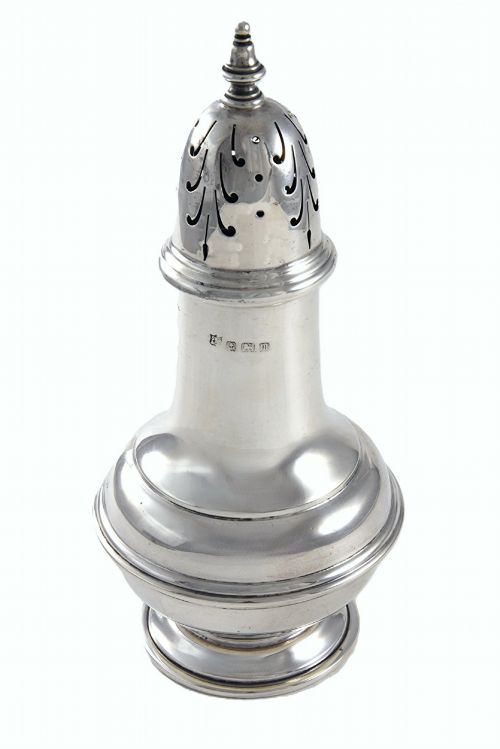


Edwardian Silver Shaker
When you handle an edwardian silver shaker, you touch the polished metal and weighted form designed to dispense sugar and spirits onto fine dining tables.
Edwardian Silver Shaker
An edwardian silver shaker encompasses tall sugar casters, spherical pepper pots, and cocktail shakers designed for dining and bar use. The pieces found here span from the late Victorian era through the Edwardian period and into Art Deco designs.
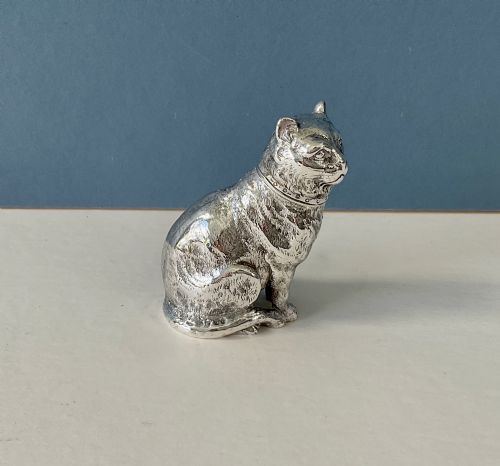
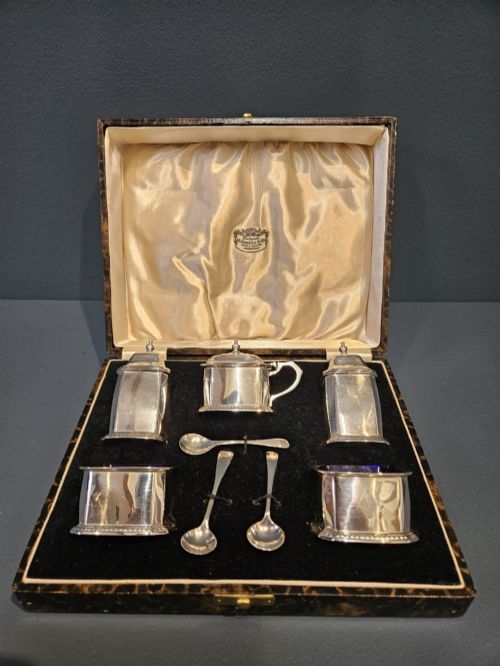
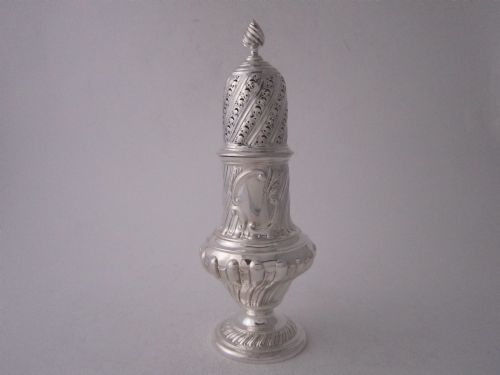
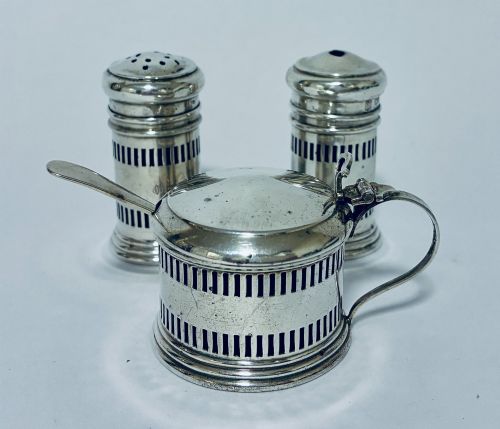
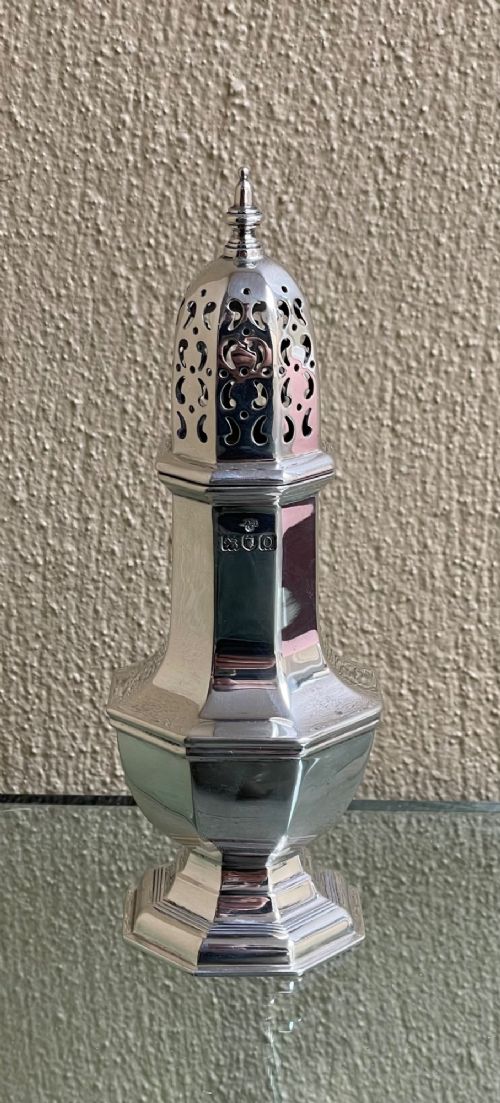
The form most frequently met is the sterling silver sugar caster featuring a pierced dome top and a baluster body. Alongside these sit silver plated cruet sets, novelty animal peppers, and glass cocktail shakers with silver mounts.
Materials and construction
Silversmiths constructed these items using sterling silver, silver plate, and 800 silver, often pairing the metal with cut glass and blue glass liners. Tops were pierced or drilled by hand or machine to create sprinkler patterns for sugar and condiments.
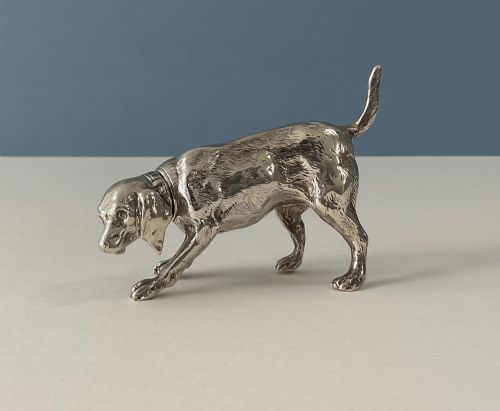
Makers shaped the bodies through spinning and hammering techniques, adding weighted bases to ensure stability during use. Novelty animal peppers relied on cast silver modelled into realistic shapes such as owls, dogs, and pheasants.
The listings span from Georgian and Victorian items through Edwardian designs up to 1930s Art Deco pieces.
Evaluating craftsmanship
Quality rests in the gauge of the silver and the crispness of the piercing on the lid. Substantial weight in the hand and clear hallmarks distinguish finer examples from lighter mass-produced wares.
Design complexity marks the upper tier, seen in novelty figural peppers with articulated components or hand-cut glass bodies fitted with bespoke silver collars.
Goldsmith & Silversmith·Hukin & Heath·Barker Brothers·Roberts & Belk·William Suckling·Sampson Mordan·Bricks & Sons·Harrods
The Edwardian Silver Shaker Glossary
- Caster
- A vessel with a perforated top used for sprinkling sugar or spices onto food. These tall, footed pieces form the core of sugar shaker offerings.
- Cruet set
- A collection of matching condiment bottles or pots held in a silver or plated stand. They typically hold salt, pepper, mustard, and oil.
- Novelty pepper
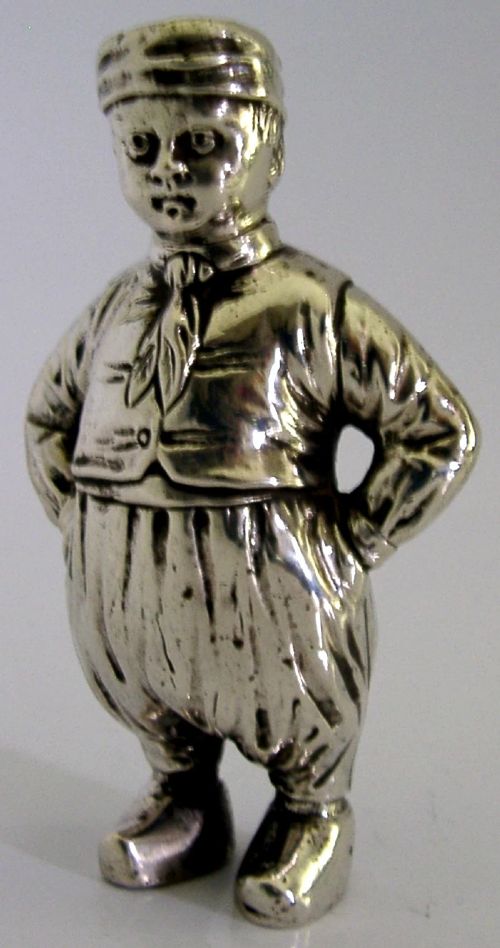
- A small condiment pot cast in the likeness of an animal, bird, or human figure. Common examples depict cats, owls, and dogs.
- Pounce pot
- A small container with a perforated lid used to sprinkle sand or gum sandarac over wet ink to speed drying. They share the shaker form but pre-date modern dining wares.
- Sterling silver
- An alloy containing 92.5 percent silver by mass, with the remainder composed of copper or other metals. This standard grade appears across the majority of Edwardian tablewares.
Edwardian Silver Shaker: Frequently Asked Questions
What is the difference between a sugar caster and a cocktail shaker?
A sugar caster is a tall, slender vessel with a pierced top designed to dispense fine sugar onto desserts or pastry. They feature light bodies and narrow necks suited for one-handed sprinkling.
Cocktail shakers are larger cylindrical vessels built with secure lids and internal strainers to mix and pour liquid drinks. They appear in heavier silver plate or glass configurations.
How do I clean tarnished silver shakers?
Maintenance requires warm water, a mild soap, and a soft microfiber cloth to remove surface dirt without scratching the metal. Gentle polishing with a specialised silver cloth restores the shine.
Harsh chemical dips and abrasive pastes wear away thin silver plating and damage antique hallmarks. Wooden or glass components should be kept dry during cleaning.
Can I use these shakers for daily dining?
These items function well for modern dining provided the interior is washed thoroughly before holding dry goods like sugar or salt. Solid silver and plated vessels resist everyday use if handled carefully.
Pieces with glass bodies or delicate pierced tops require manual washing rather than automatic dishwashers. Novelty figural peppers are better suited for display due to their intricate cast details.
How are Edwardian pieces dated?
Dating relies on the hallmarks stamped into the metal, which record the assay office, the maker's mark, and a specific date letter. British silver standards remained strictly regulated through these official marks.
Stylistic cues such as Edwardian floral motifs or Art Deco geometric polygon sides also help place an object within its period of manufacture.