


Edwardian Silver Caster
Edwardian silver casters are slender, pierced vessels designed to dust sugar over pastry and fruit, combining practical dining utility with crisp period craftsmanship.
Edwardian Silver Caster
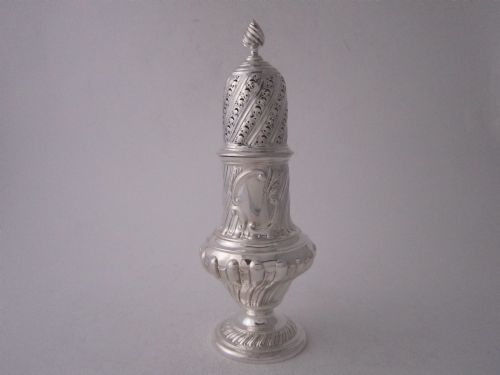
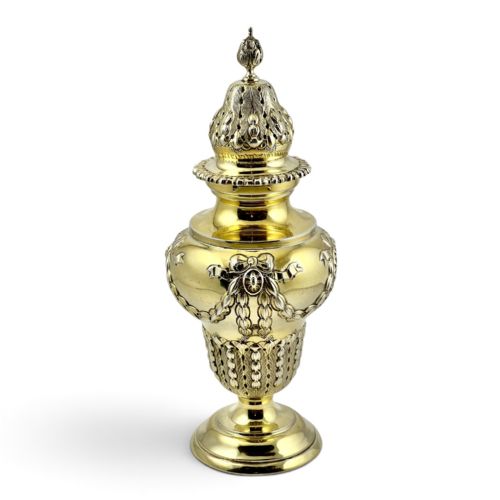
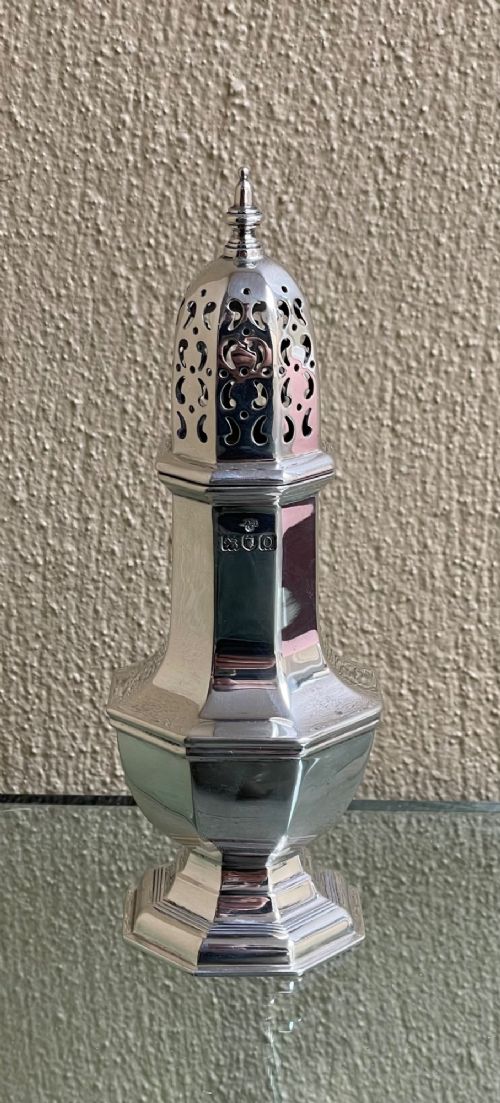
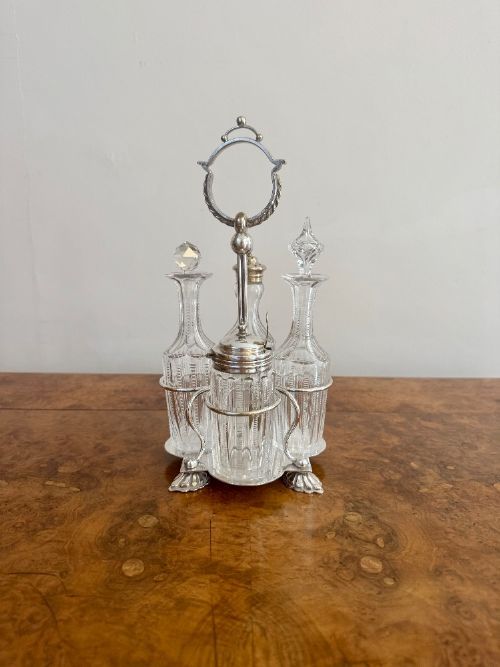
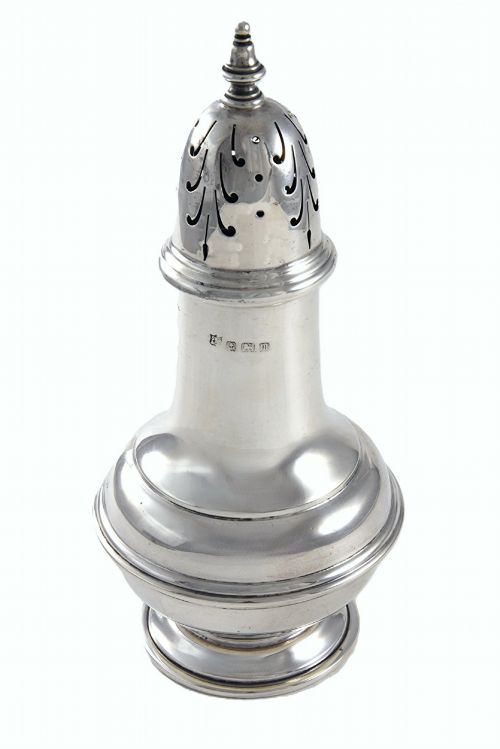
When you search for an edwardian silver caster, you examine pieces originating primarily from the early twentieth century alongside related Victorian and later expressions. These domestic objects take forms such as lighthouse shakers, helmet shapes and gourd profiles designed for powdered sugar at the dining table.
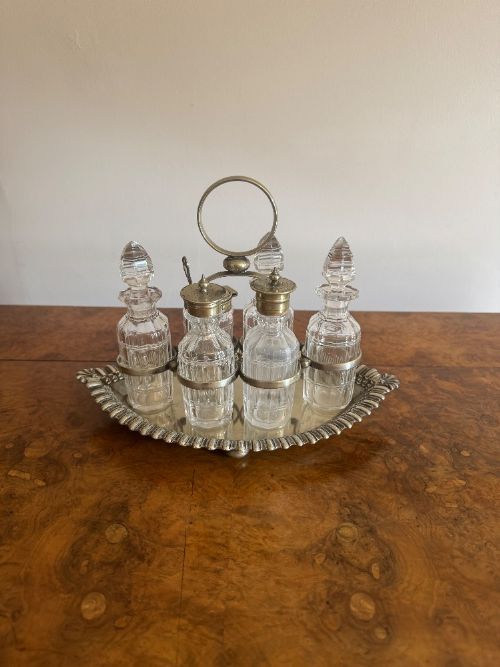
You meet both sterling silver examples bearing full hallmarks and silver plated alternatives often paired with cut glass bodies. Many feature pierced lids held by bayonet mounts or threaded collars, allowing the caster to disperse sugar evenly across desserts.
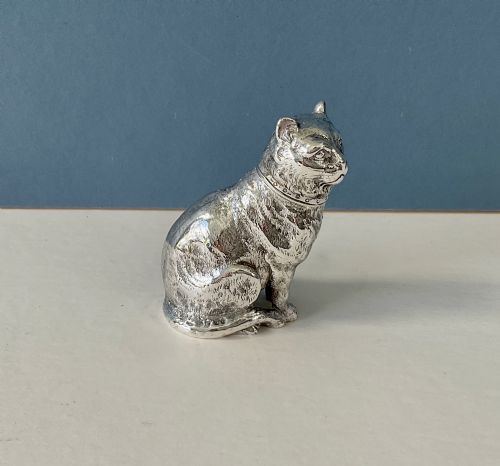
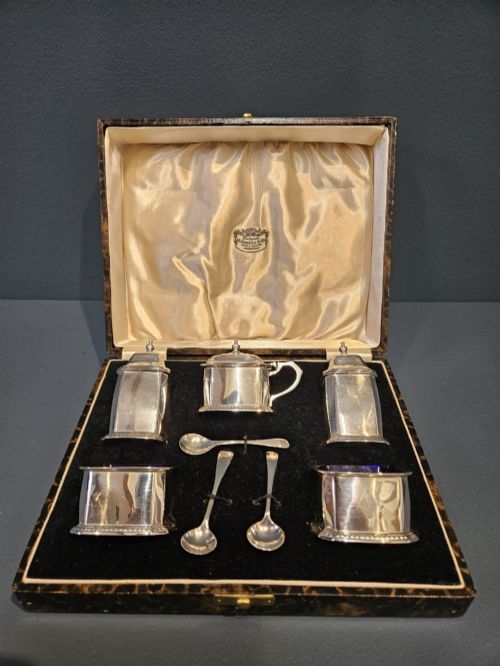
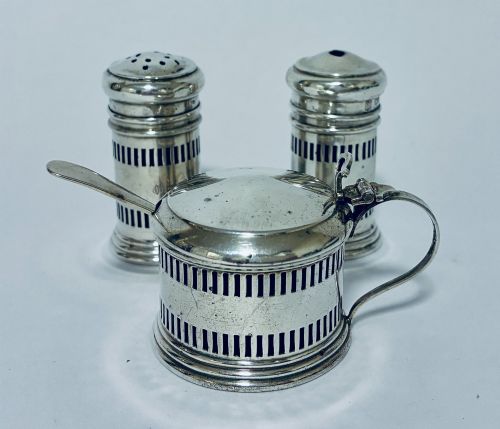
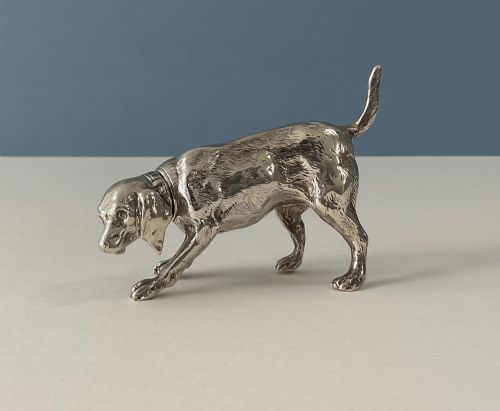
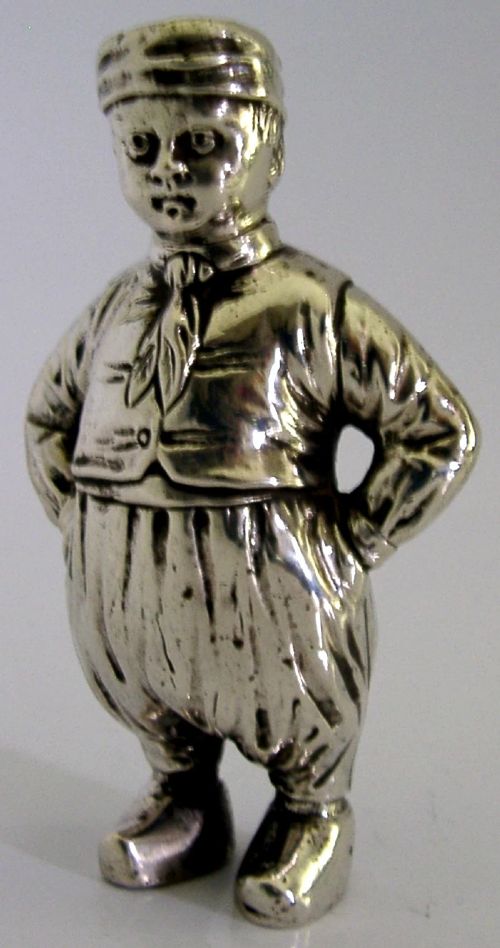
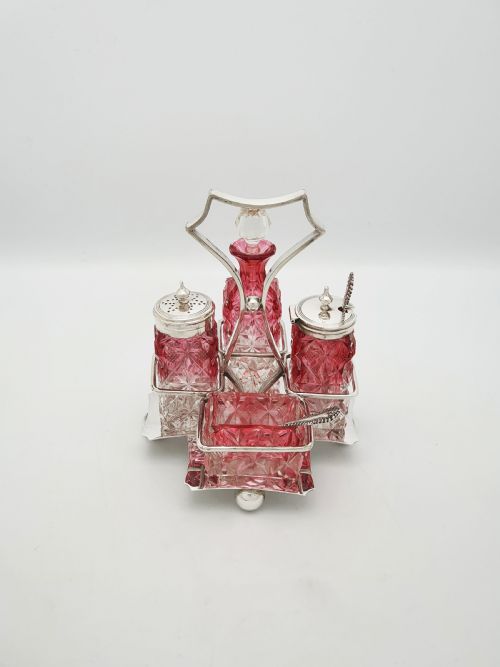
The selection extends from plain baluster shapes to elaborate wirework frames enclosing coloured glass liners. Alongside dedicated sugar shakers, you encounter related condiment forms including mustard pots, salt cellars and pepperettes shaped as animals.
Materials and construction
Silversmiths constructed these vessels using sterling silver sheet formed by spinning or raising over metal stakes, complemented by cast components like finials and foot rims. Piercing was executed by hand sawing or mechanical piercing presses to create intricate trellis, lattice, or foliate patterns across the cap.
Cut glass liners and bodies appear frequently, often combined with silver plate or solid silver mounts to hold coloured glass inserts in cranberry or blue tones. Hallmarks stamped directly into the metal record the assay office, city mark, date letter and maker's stamp.
Edwardian Silver Caster Retail Price Guide 2026
Typical asking prices for edwardian silver caster among the pieces listed under this phrase on Sellingantiques today, from the lower quarter to the upper quarter. They describe what is for sale here now, not the wider market.
Listings feature sterling silver and silver plate alongside cut glass bodies, spanning Victorian, Edwardian, and Art Deco periods.
Factors separating the range
Quality rests in the weight of the metal and the crispness of the piercing on the cap, where sharper apertures indicate superior tooling. Substantial gauge silver resists dents and maintains structural integrity around the threaded or bayonet closures.
The artistry of the maker also dictates distinction, visible in balanced proportions, cast finials with high relief detail, and well-fitted glass inserts that sit flush within wirework frames.
Nathan and Hayes·Goldsmiths and Silversmiths·Martin Hall and Company·The Barker Brothers·Roberts and Belk·Walker and Hall
The Edwardian Silver Caster Glossary
- Hallmark
- An official mark stamped onto precious metals to guarantee purity and origin. It usually includes a maker's mark, standard mark, assay office mark and date letter.
- Piercing
- The technique of cutting decorative patterns through sheet metal. In silverwork, this allows contents to escape or reveals coloured glass liners beneath.
- Finial
- A decorative knob or ornament attached to the top of a lid. On casters, these provide a grip for removing the cap.
- Pounce pot
- An early container used for sprinkling sand or resin powder over wet ink to speed drying. These precursors share similar perforated lids with later sugar shakers.
Edwardian Silver Caster: Frequently Asked Questions
What is an edwardian silver caster used for?
These vessels were designed to hold and sprinkle caster sugar over desserts, porridge, or fruit at the dining table. The pierced lid distributed the fine sugar evenly without clumping.
Over time, many found alternative roles in domestic displays or formed part of larger condiment services alongside matching salt cellars and mustard pots.
How do I read silver hallmarks?
British hallmarks are stamped stamps that reveal where and when an item was made. They typically show the maker's mark, the lion passant for sterling silver, an assay office symbol, and a date letter.
Checking these symbols allows you to date your caster to a specific year and identify the silversmithing firm responsible for its creation.
What is the difference between solid silver and silver plate?
Solid silver means the vessel is made entirely of silver alloy throughout its structure, meeting legal purity standards such as sterling silver. Silver plate consists of a base metal, often copper or nickel brass, coated with a thin layer of pure silver.
Solid silver pieces bear official hallmarks for precious metal, whereas plated items often display maker marks indicating plating techniques.
How should I clean my silver caster?
Clean silver gently using a dedicated microfibre cloth and a mild, non-abrasive silver polish to remove tarnish without scratching the surface. Avoid harsh chemical dips, particularly on pieces with glass liners or glued components.
Wash the item in warm soapy water and dry thoroughly after polishing to preserve the metal finish and prevent residue build-up in the pierced lid.