
Antique Pepper Shaker
When you search for an antique pepper shaker, you encounter small silver vessels, cut glass casters and figurative animal novelties spanning several centuries of dining history.
Antique Pepper Shaker
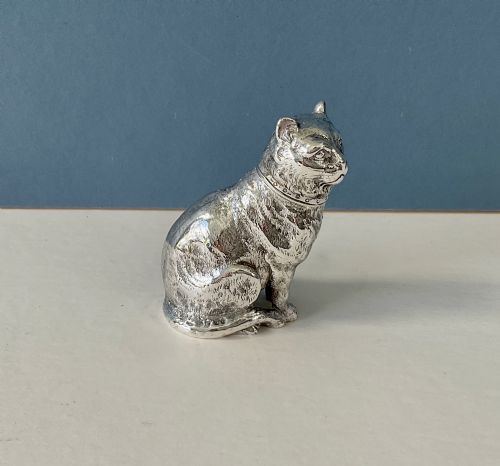
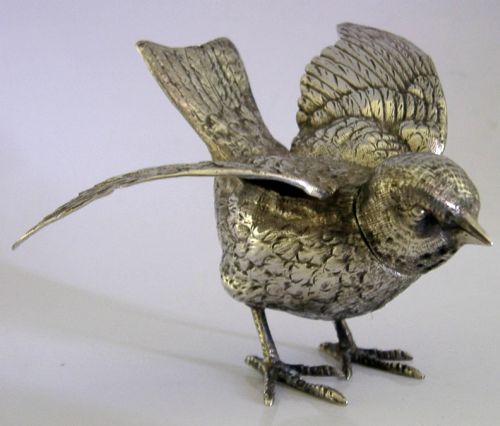
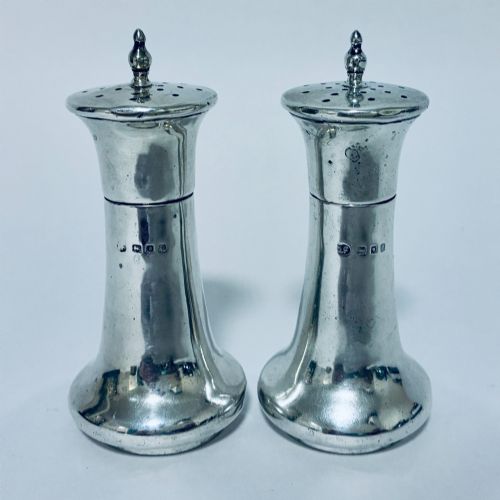
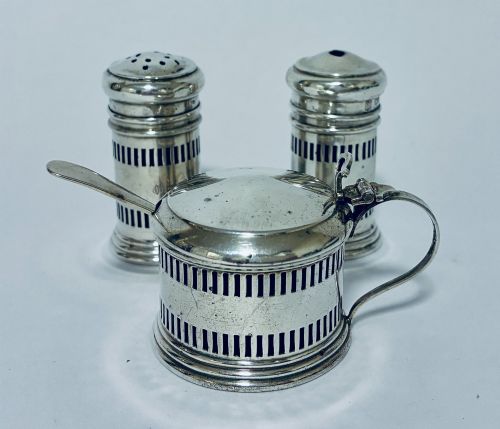
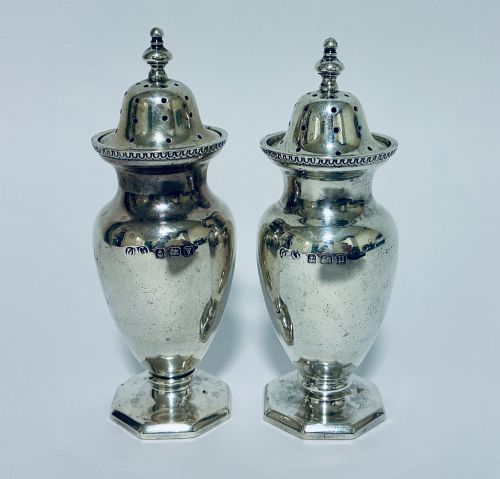
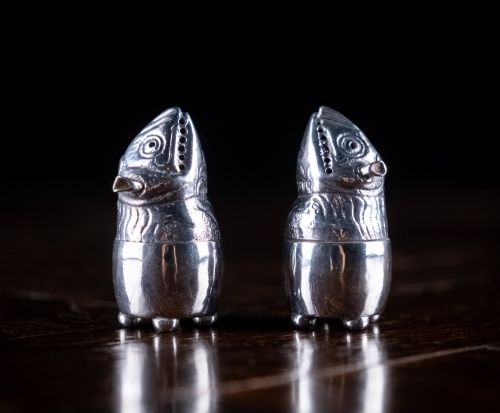
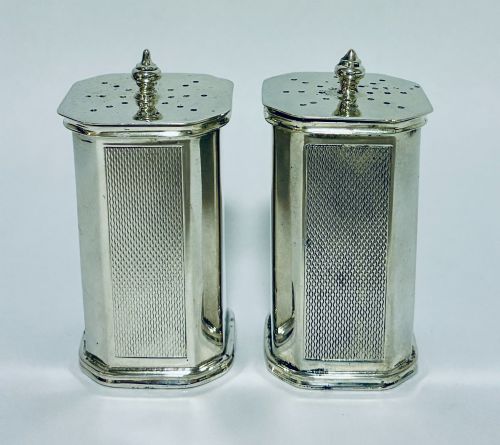
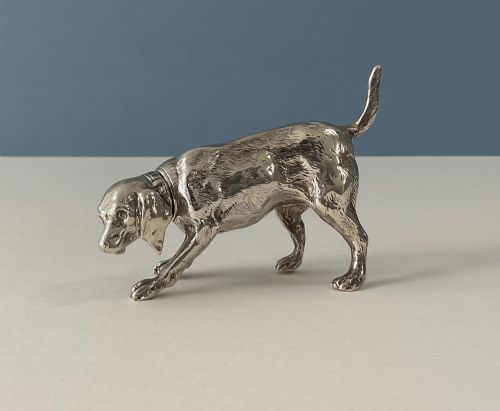
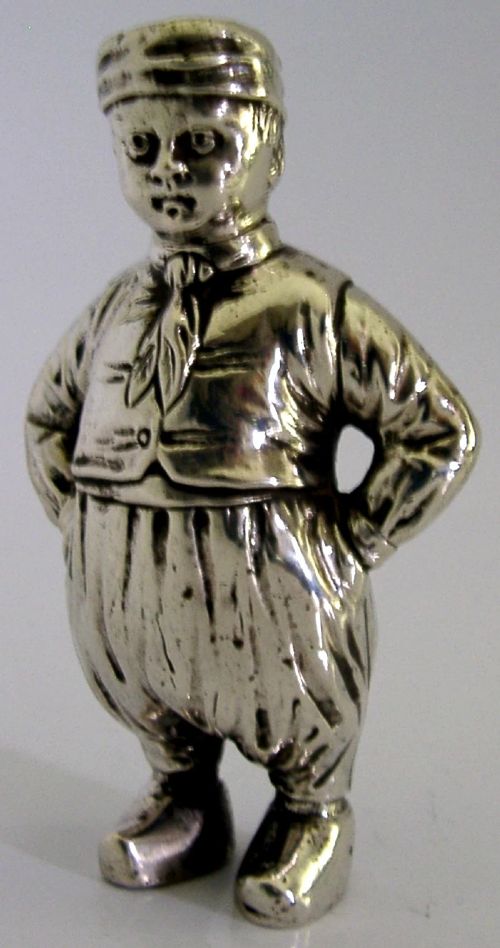
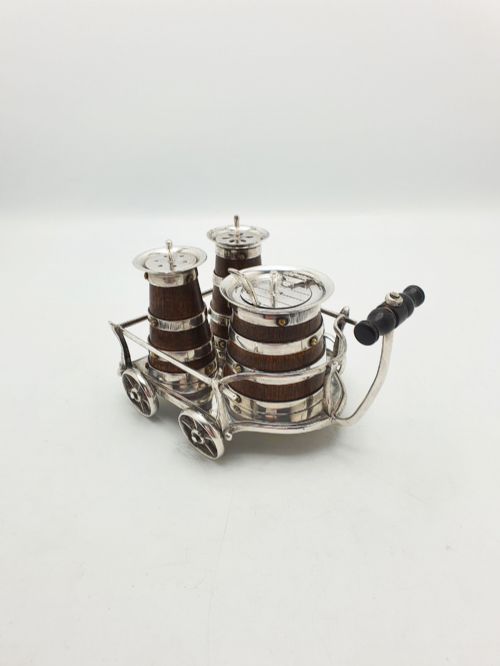
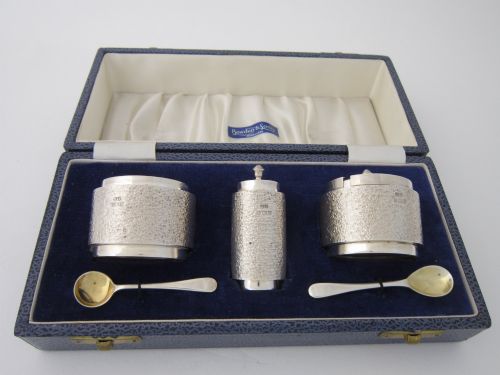
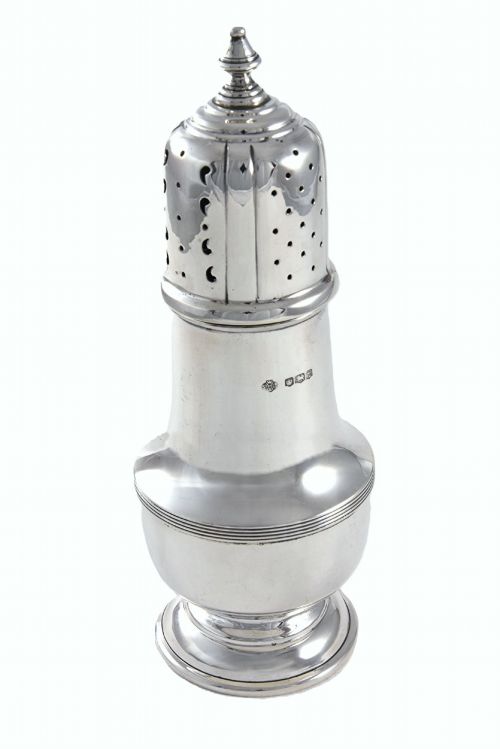
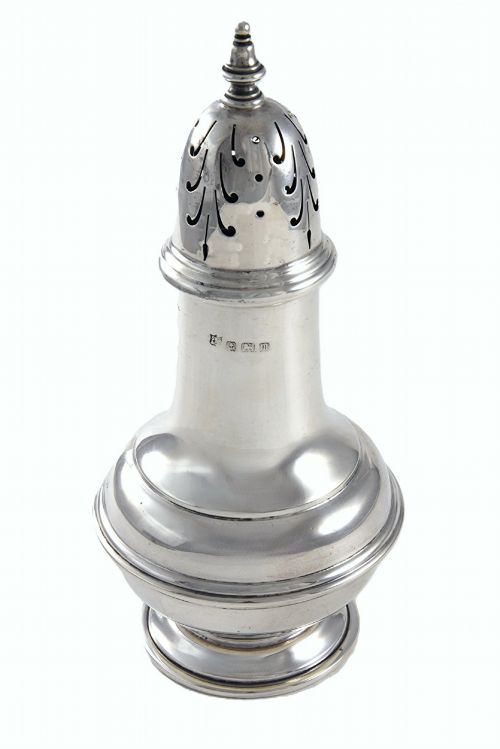
An antique pepper shaker comprises small tabletop vessels utilised for dispensing ground pepper, alongside related sugar casters, pounce pots and larger condiment sets found in domestic dining collections. You meet standard baluster pepperettes, multi-piece cruet frames, and figural animal novelties shaped as cats, dogs, birds and owls.
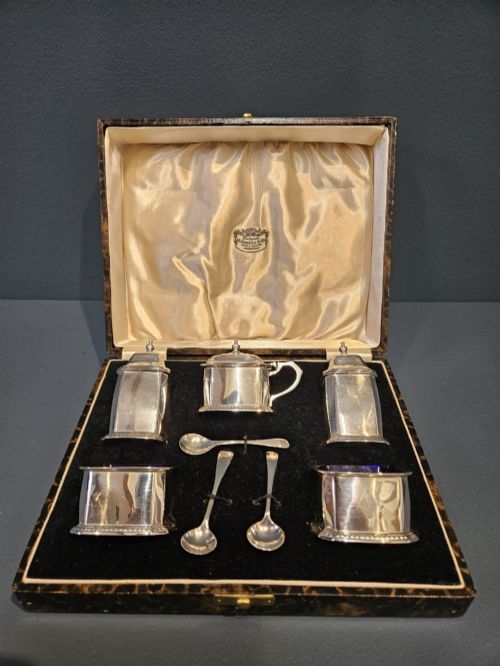
The pieces on this page originate from Georgian, Victorian and Edwardian periods, stretching into early twentieth-century designs like Art Deco and George V styles. Many examples function individually as matched pairs or sit within fitted cruet frames alongside mustard pots and salt cellars.
How they were made
Makers shaped these items primarily from sterling silver, solid silver and silver plate, often combining metal bodies with cut glass, satin or velvet linings. Metals were cast, hammered and chased into form, whilst glass components underwent heavy hand-cutting to create faceted patterns on sugar casters and cruet bottles.
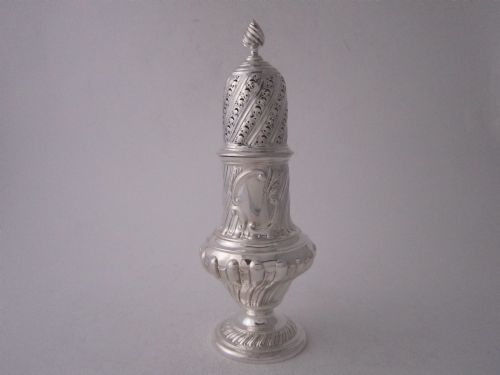
Figural novelties required specialised casting and articulation to form realistic animal shapes with removable heads for filling. Pierced lids featured hand-punched or drilled holes arranged in geometric or floral motifs for dispensing fine powders.
Several Victorian silversmiths designed pepper pots shaped precisely as life-sized owls, dogs, cats and farmyard chicks with removable heads.
What varies in quality
Quality rests upon the crispness of the chasing, the weight of the silver and the precision of the lid fitting. Superior pieces display deep, legible hallmarks and well-balanced proportions that feel substantial in the hand.
Figural novelties achieve distinction through sculptural detail and naturalistic posture rather than generic animal casting. Glass components show quality in clarity and depth of facet cutting, whilst cruet frames rely on sturdy solder joints and complete, matching sets.
Frederick Brasted·Stephen Adams·James Goodwin·Simon Pantin·James Dixon & Sons Ltd
The Antique Pepper Shaker Glossary
- Caster
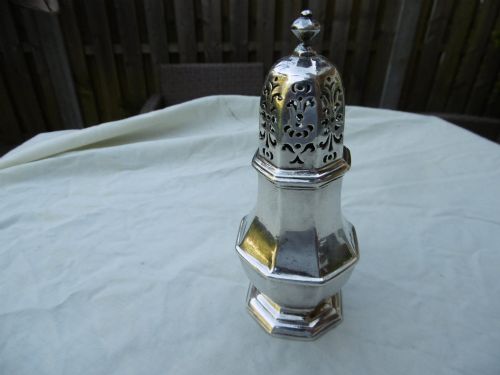
- A tall container with a perforated lid used for sprinkling sugar, spices or pepper over food. Early eighteenth-century examples often feature octagonal bodies.
- Cruet set
- A fitted frame holding multiple bottles or pots for condiments such as oil, vinegar, mustard, salt and pepper. These sets appear in silver, silver plate and treen.
- Pounce pot
- A small container with a perforated top used to sprinkle sand over wet ink to speed up drying. They share similar forms with early pepper shakers.
- Muffineer
- A large sugar shaker or dredger utilised specifically for dusting muffins or pastries with powdered sugar. They date predominantly from the Georgian period.
- Pepperette
- A small nineteenth-century term for an individual silver pepper pot or shaker. Collectors use this to distinguish small shakers from larger casters.
Antique Pepper Shaker: Frequently Asked Questions
How do I date an antique pepper shaker?
Dating relies heavily upon the stamped hallmarks found on silver pieces, which indicate the assay office, standard of metal and year of manufacture.
Stylistic shifts also provide clues, moving from plain Georgian octagonal forms to ornate Victorian chasing and playful Edwardian novelty figures.
What is the difference between a pepper pot and a caster?
Pepper pots generally function as smaller individual shakers or paired sets designed specifically for dining table seasoning. Casters stand taller and were traditionally used in the eighteenth century for sugar or spices.
How should I clean antique silver pepper shakers?
Silver shakers require gentle cleaning with a soft cloth and specialised silver polish to remove tarnish without wearing away delicate chased details or hallmarks. Harsh abrasive dips should be avoided, particularly on hollow-formed novelty pieces.
Were all antique pepper shakers made in pairs?
Many Victorian and Edwardian shakers were produced as matched pairs for dining table symmetry, alongside individual pots that belonged to larger cruet sets. Single survival pieces also appear frequently from earlier centuries.