
Silver Pepper Shakers
Silver pepper shakers are small dining table accessories crafted in solid silver, offering practical seasoning alongside traditional craftsmanship.
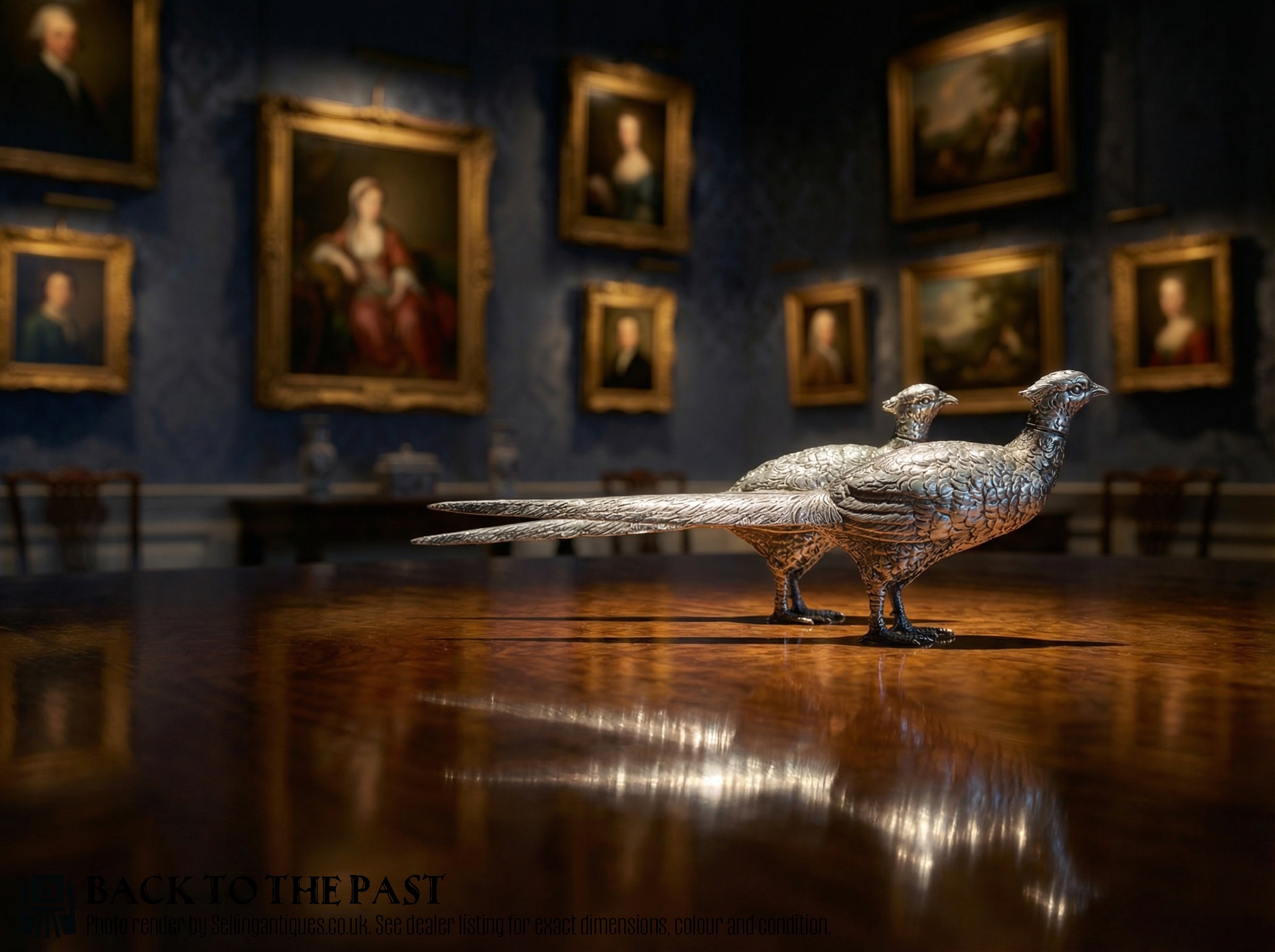
What silver pepper shakers are
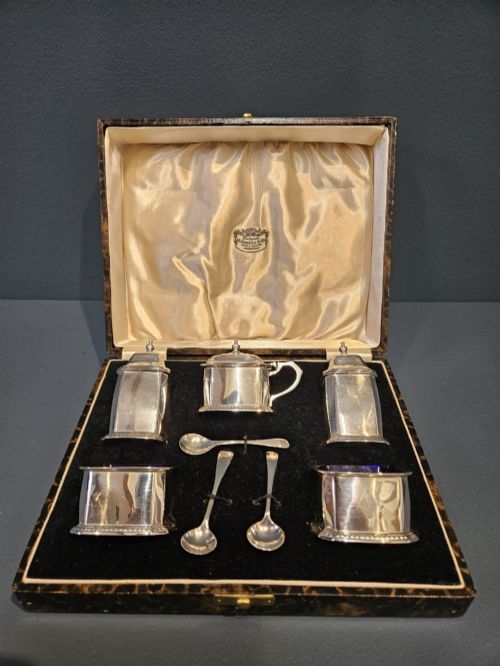
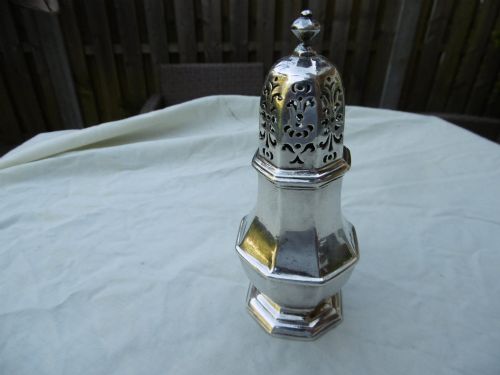
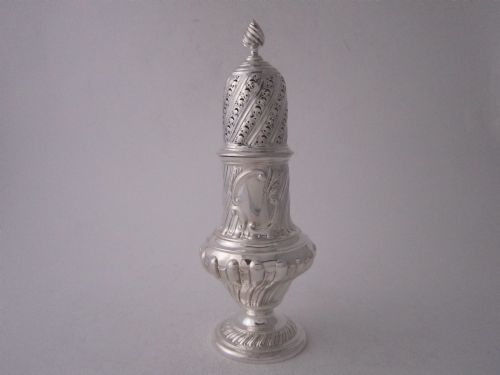
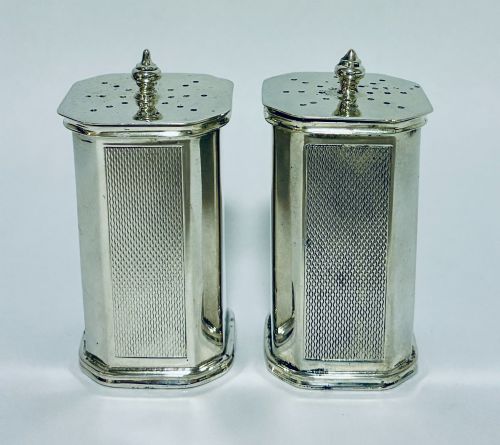
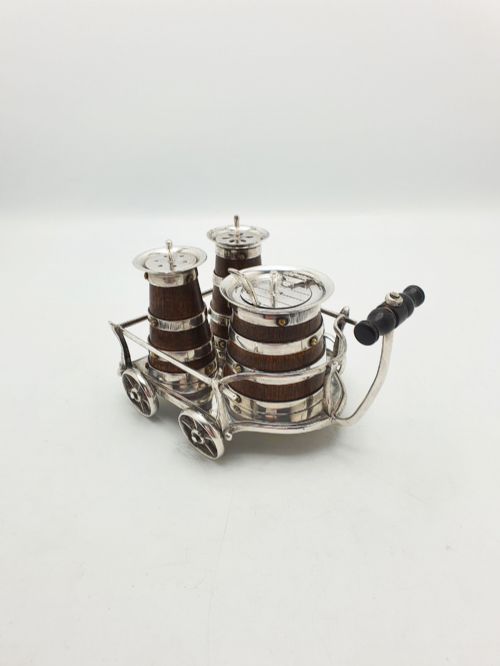
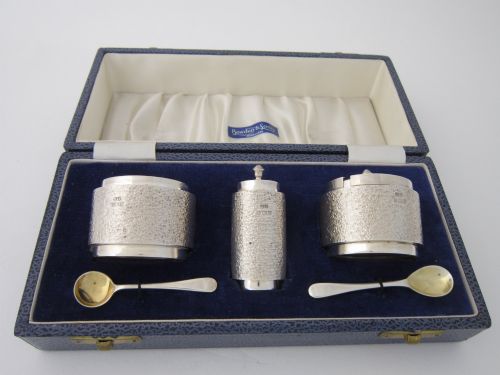
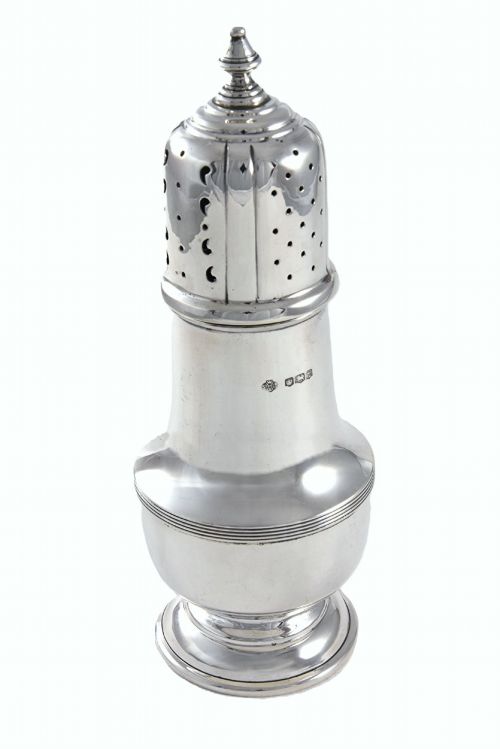
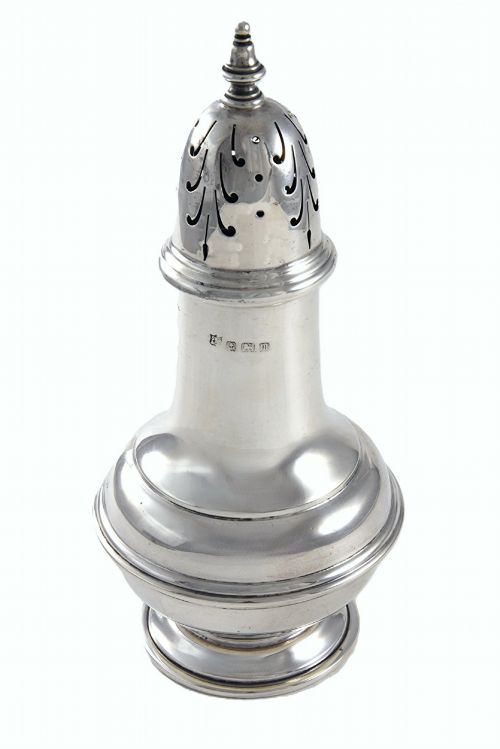
Silver pepper shakers span several centuries of tableware design, including 18th century casters, Victorian and Edwardian pots, and novelty forms. When searching for silver pepper shakers, buyers encounter standard shakers alongside matched pairs and complete condiment sets.
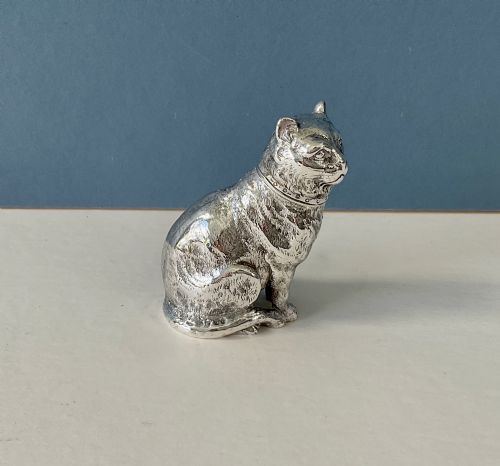
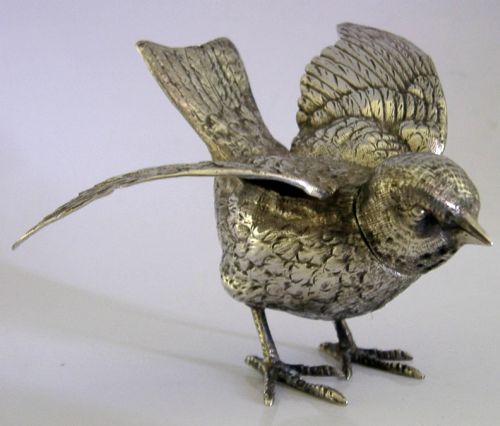
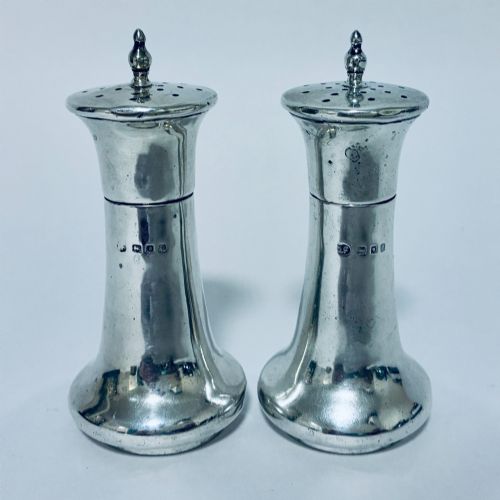
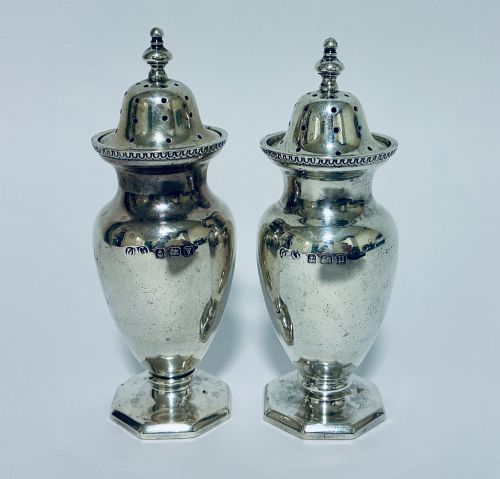
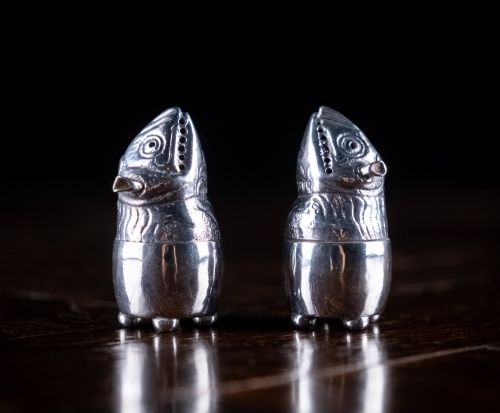
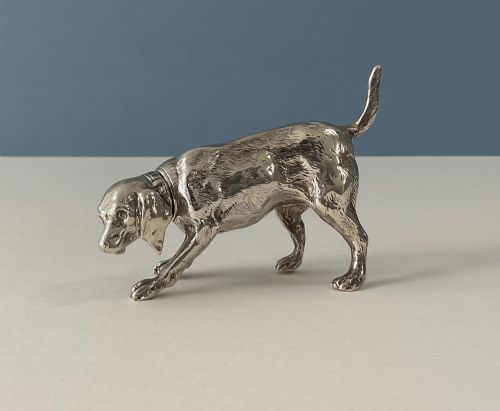
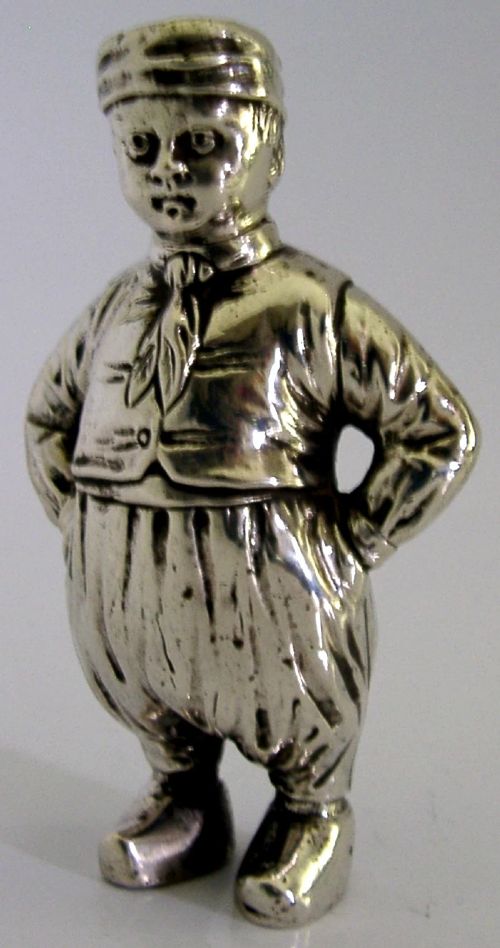
The evidence shows forms ranging from traditional pear shaped casters to novelty animal shapes such as pheasants, owls, and fish. Most pieces appear as pairs, reflecting their standard use on dining tables across the periods represented.
Origins include English workshops operating in the eighteenth, nineteenth, and twentieth centuries. The styles stretch from early George II and Queen Anne designs through Victorian and Edwardian periods up to the nineteen-twenties.
How they were made
Makers utilised sterling silver and solid silver, sometimes applying parcel gilt finishes to interior or exterior surfaces. Certain examples combine silver mounts with glass bodies to hold the contents.
Techniques range from early casting methods used for heavier 18th century casters to later fabrication methods for novelty pepperettes. Pierced or drilled tops allow the seasoning to be shaken over food.
Retail Price Guide 2026
Typical UK retail prices for silver pepper shakers, calculated from the Sellingantiques database of over a million retail prices indexed since 2003. This retail price guide relies exclusively on Sellingantiques data; no external sources or auction records are used, so the figures do not describe the wider market.
Solid silver pheasants, owls, and dolphins stand ready to guard the dining table.
What varies in quality
Quality rests in the crispness of the chasing, the weight of the metal, and the precision of the piercing on the top. Heavier pieces with deep armorial engraving or intricate novelty detailing sit at the upper end of the range.
The integrity of the maker marks and the survival of a matching pair influence the standing of a piece. Simpler twentieth-century shakers contrast with heavier cast examples from the eighteenth century.
Charles Alchorne·Thomas Pritchard·Wilfred Chidlaw Griffiths·Tiffany·Carrington and Co
The Silver Pepper Shakers Glossary
- Caster
- A tall container with a pierced domed top used for sprinkling sugar or spices. These early forms precede smaller Victorian and Edwardian pepper shakers.
- Pepperette
- A small nineteenth or twentieth century container designed specifically for ground pepper. The term often appears alongside pepper shaker in British silver listings.
- Parcel Gilt
- Silver with parts of the surface covered in a thin layer of gold. This technique highlights interior details or specific decorative elements on the metal.
- Sterling Silver
- An alloy containing a high proportion of pure silver by weight. British pieces typically bear hallmarks certifying this standard.
- Condiment Set
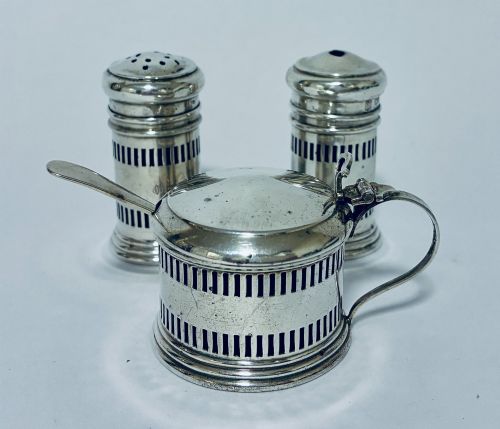
- A matching group of table vessels holding salt, pepper, and mustard. These collections coordinate in material and style across the tabletop.
Frequently Asked Questions
How do I date a silver pepper shaker?
Dating relies heavily on hallmarks stamped into the silver, which record the assay office, date letter, and maker's mark. Stylistic clues like George II proportions or Edwardian forms also help identify the period.
Comparing the construction methods, such as early casting versus later machine production, narrows down the decade of manufacture.
What is the difference between a caster and a shaker?
Casters are generally taller, heavier vessel forms dating from the 18th century, designed with a footed base and a slip-on pierced top. Shakers are typically smaller 19th and 20th century containers made for individual table placement.
Earlier casters were often part of a matched set for various dry seasonings.
Are silver pepper shakers always found in pairs?
Many survive as pairs or within larger condiment sets alongside salt cellars and mustard pots. Single examples also appear, particularly among novelty animal designs or replacement pieces.
Pairs generally command stronger interest from collectors setting a formal table.
How should I clean antique silver pepper shakers?
Gentle cleaning with a dedicated silver cloth removes tarnish without wearing away the underlying metal or rubbing off hallmarks. Avoid abrasive dips that can damage parcel gilt highlights or glass inserts.
Storing them in dry conditions helps maintain the finish between uses.