


Georgian Silver Sugar Shaker
A georgian silver sugar shaker is a refined tabletop vessel designed for dispensing fine sugar, combining practical utility with historical elegance.
Georgian Silver Sugar Shaker
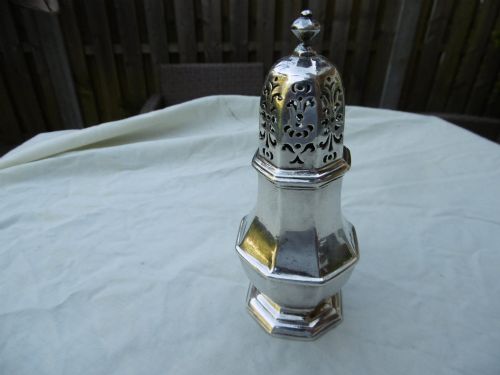
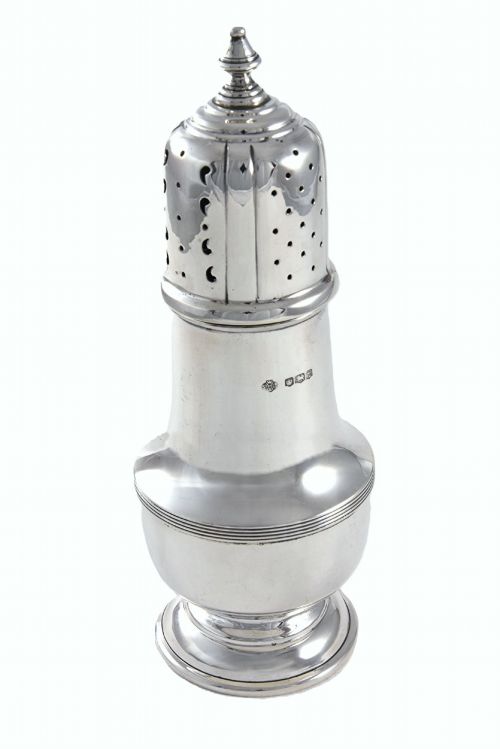
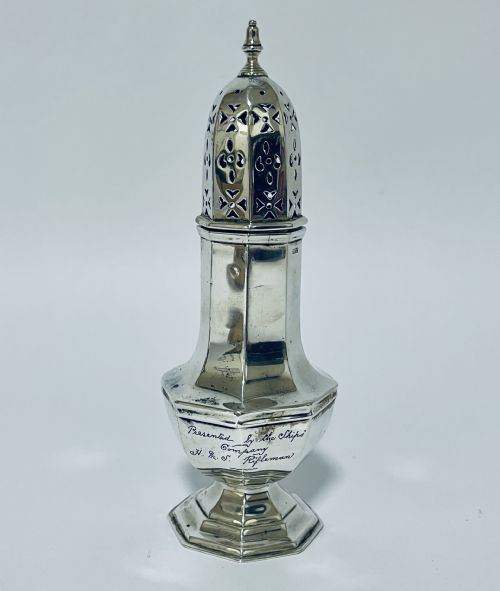
When you search for a georgian silver sugar shaker, you encounter tall, perforated vessels designed for dusting sugar over food and drink. The selections span actual 18th-century pieces alongside later revivals from the Victorian, Edwardian, and 1930s periods.
Forms vary from octagonal George I examples and George II baluster shapes to later Art Deco polygon designs and Georgian style revivals. Alongside solid sterling silver constructions, you occasionally find versions combining silver with cut glass.
While many are classed as sugar casters or muffineers, related condiment pieces such as pounce pots and pepper casters also appear in these listings. The origins bridge early British silversmithing centres and subsequent revivalist interpretations.
Judging quality and character
Quality rests upon the crispness of the pierced lid decoration and the weight of the silver used in the body. Early makers achieved distinct structural authority through balanced proportions and sharp octagonal or polygon angles.
Signatures from notable silversmiths elevate a piece, as do crisp hallmarks and well-preserved armorial engravings. The distinction between an original 18th-century casting and a later revival lies in the hand-finished details and the density of the metal.
Some early shakers doubled as pounce pots, proving that 18th-century desks and dining tables shared the exact same hardware.
Stephen Adams·Simon Pantin·The Barker Brothers·Roberts & Belk·Thomas Ross·Charles Alchorne·Thomas Pritchard
The Georgian Silver Sugar Shaker Glossary
- Caster
- A small tabletop vessel with a pierced cover used for sprinkling fine substances like sugar or spices. They appeared in matching sets during the 18th century.
- Muffineer
- An alternative term for a sugar caster or shaker, historically used for dusting sugar over hot buttered muffins. These often match the smaller condiment sizes.
- Pounce Pot
- A small container with a perforated top used to sprinkle resin powder onto parchment to blot ink. They share a very similar silhouette to early sugar shakers.
- Sterling Silver
- A standard alloy consisting of silver and other metals to ensure durability for domestic objects. British pieces carry assay office marks confirming this purity.
- Armorial
- A coat of arms engraved onto the surface of silver items. These display the lineage or identity of the original owner.
Georgian Silver Sugar Shaker: Frequently Asked Questions
What is a sugar shaker used for?
These vessels were designed to sprinkle powdered or granulated sugar onto food, fruit, and beverages at the dining table. Before refined sugar came in cubes, loose sugar required a dedicated shaker for even distribution.
They sat alongside other table silver as part of matching condiment services. Today, they serve a decorative function while retaining their original mechanical purpose.
How do I tell an 18th century caster from a revival piece?
Examine the hallmarks stamped on the silver body and lid, which indicate the exact assay year and city of manufacture. True 18th-century pieces show distinct wear patterns and hand-finished piercing details.
Revival pieces from the Victorian era or the 1930s often feature heavier gauge metal and machine-assisted precision in the geometric panels. Maker marks also point directly to later firms rather than historic silversmiths.
Are cut glass versions authentic?
Cut glass sugar sifters and shakers paired with silver tops were common in the Georgian period and later revivals. The heavy glass bases provide a contrasting texture to the pierced silver lids.
These combination pieces functioned identically to solid metal casters. The quality of the piece depends on the depth of the glass cutting and the thickness of the silver mount.
How should I clean antique silver?
Dust the surface gently with a soft cloth and avoid harsh abrasive dips that strip away the historical patina. Regular light maintenance prevents tarnish buildup without harming delicate engravings.
Store them in stable environments away from direct moisture to preserve the metal and any glass components. Professional advice is recommended if dealing with fragile historical hallmarks.