



Georgian Style Caster
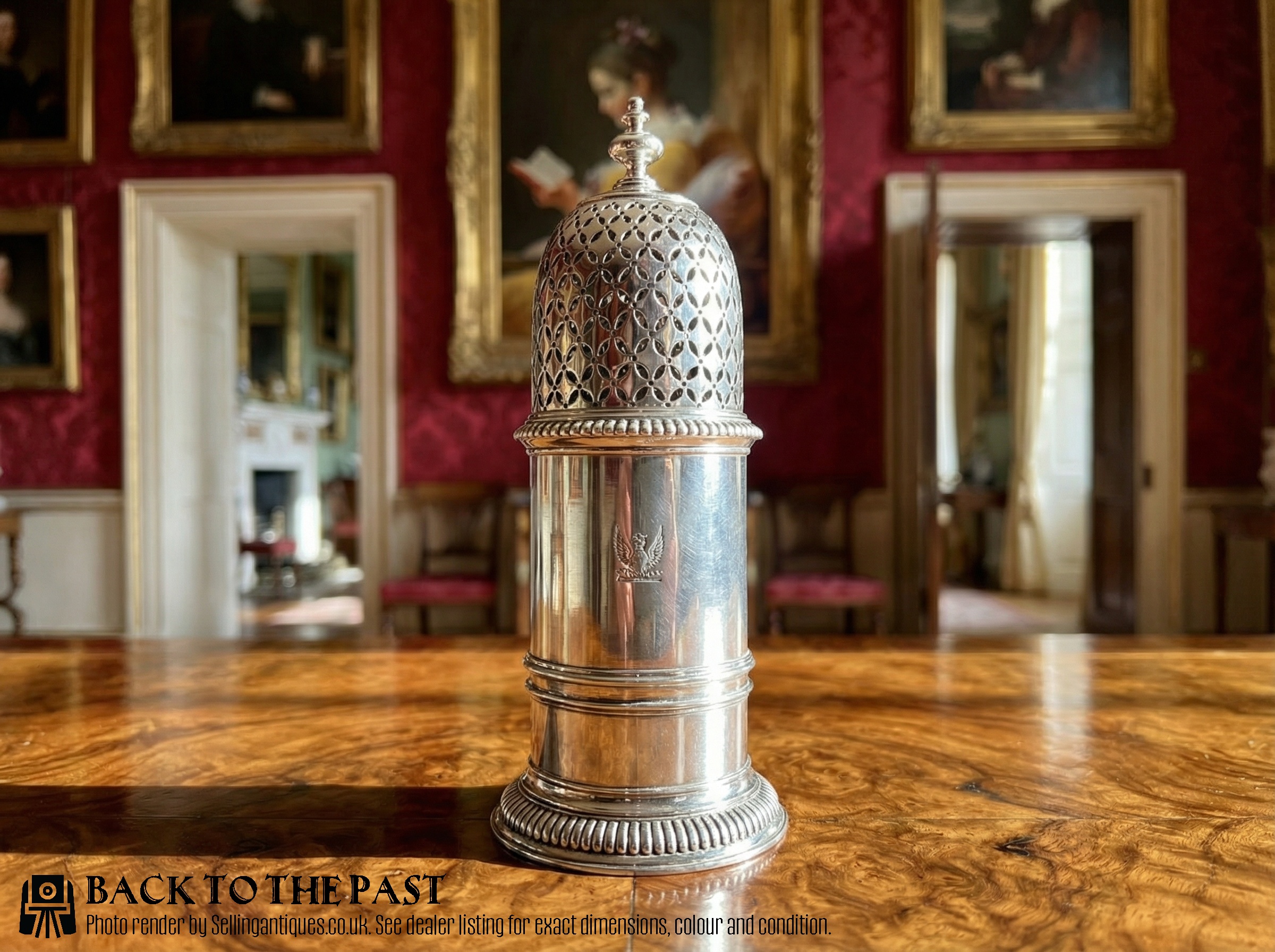
A georgian style caster brings timeless proportion to the dining table, offering refined silver forms shaped for dispensing sugar or pepper.

Georgian Style Caster
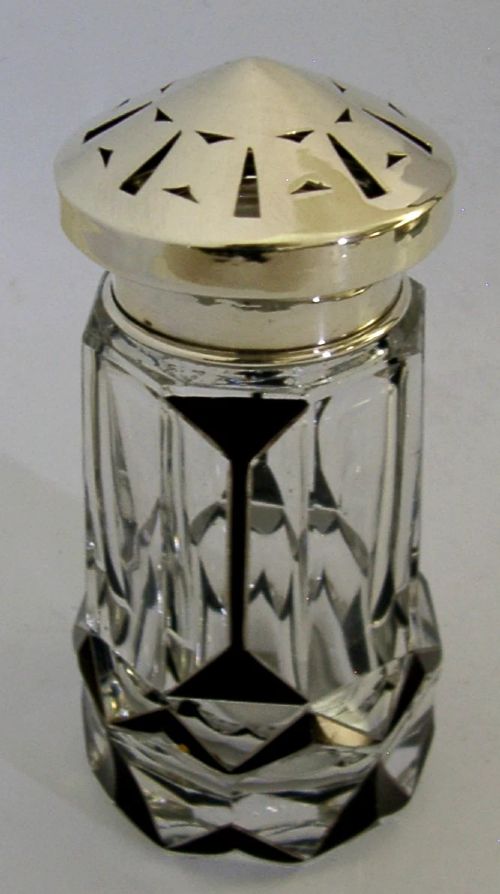
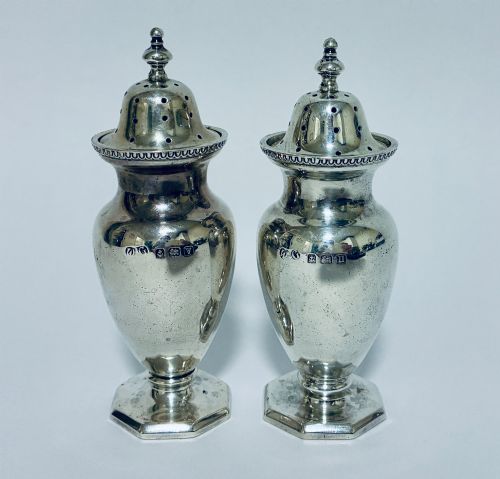
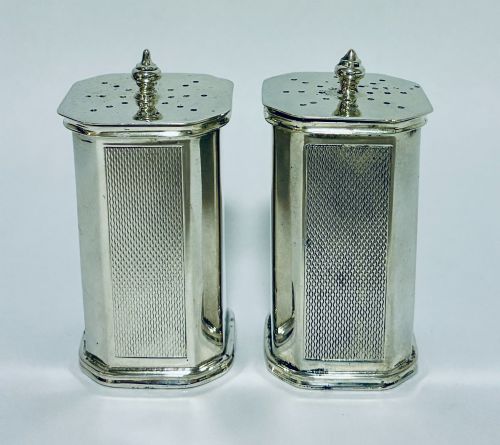
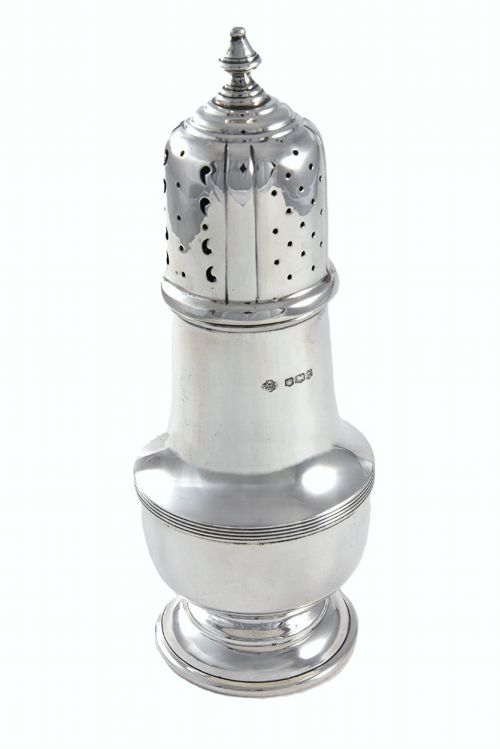
When you search for a georgian style caster, you encounter silver table wares designed to mimic the elegant profiles of the eighteenth century. The selection includes sugar shakers, pepper pots, and complete condiment sets produced during later periods such as the Edwardian era and the 1930s.
Most examples you meet on this page date from the twentieth century, reflecting a strong revival of historic forms rather than original eighteenth-century manufacture. These pieces replicate classic baluster and polygon shapes in solid sterling silver.
Makers utilised traditional silhouettes, including bayonet twist lids and pierced tops, to serve domestic dining functions. Alongside actual casters, the evidence also captures unrelated occasional furniture like mahogany coffee tables, demonstrating how broader period labels intersect in search results.
Materials and Construction
The primary material across these pieces is solid sterling silver, worked into substantial vessels with polished surfaces. Associated items incorporate secondary materials such as mahogany, brass, leather, and velvet in furniture constructions.
Silversmiths employed techniques like polygon shaping, piercing for lids, and bayonet twist mechanisms to secure tops firmly to bodies. Hallmarking marks provide official records of assay offices and dates of production.
Georgian Style Caster Retail Price Guide 2026
Typical asking prices for georgian style caster among the pieces listed under this phrase on Sellingantiques today, from the lower quarter to the upper quarter. They describe what is for sale here now, not the wider market.
Some pepper pots arrive with bayonet twist lids that lock tight like tiny industrial hatches.
Distinctions in Quality
Quality rests upon the weight of the sterling silver and the crispness of the pierced detailing on the lid. Substantial gauge metal provides a reassuring heft in the hand, separating heavier shakers from lighter alternatives.
The precision of the maker's mark and the clarity of the chasing distinguish finer workshops from standard production. Well-executed polygonal sides and secure lid fittings indicate superior craftsmanship.
The Barker Brothers·Roberts And Belk·Nathan And Hayes·Viners
The Georgian Style Caster Glossary
- Caster
- A small perforated vessel used for sprinkling sugar or dry seasonings over food. Early examples date back centuries, while later revivals reproduce the classic forms.
- Sugar Shaker
- A larger vessel designed specifically for dispensing caster sugar onto desserts or pastries. These often feature tall, tapering bodies and pierced covers.
- Sterling Silver
- An alloy consisting of pure silver and other metals, typically copper, standardise for durability and strength. Most quality table wares utilise this specific standard.
- Bayonet Twist Lid
- A closure mechanism where the top secures onto the body with a short turning motion. This design prevents the lid from falling off during use.
- Hallmark
- An official stamp applied by an assay office indicating the purity of the metal and the year of manufacture. These marks help verify the provenance of silver objects.
Georgian Style Caster: Frequently Asked Questions
What is a georgian style caster used for?
These vessels serve to dispense fine sugar or ground pepper onto meals during dining. Their perforated lids allow an even distribution of contents.
They function both as practical tableware items and as decorative silver pieces for the sideboard or dining table.
How do I identify the date of a silver caster?
Examination of the stamped hallmarks reveals the assay office, metal standard, and specific year letter code. These official marks provide precise documentary evidence.
Style indicators, such as Art Deco polygon facets or Edwardian proportions, offer additional clues to the era of manufacture.
Are these casters made from solid silver?
The listings primarily feature solid sterling silver construction across the shakers and condiment sets. Hallmarks confirm the metal purity standard used by the silversmith.
Weights and gauges vary between individual pieces, reflecting different production standards among makers.
How should I clean antique silver casters?
Gentle washing with warm soapy water and a soft cloth removes everyday dust and oils. Avoid abrasive cleaners that can damage the soft silver surface.
Periodic application of specialist silver polish preserves the shine without wearing away the hallmarks or fine detailing.