


Silver Napkin Clip
These silver napkin clip pieces range from Victorian shields to Art Deco novelties, offering a clever way to keep linens secure at table.
Silver Napkin Clip
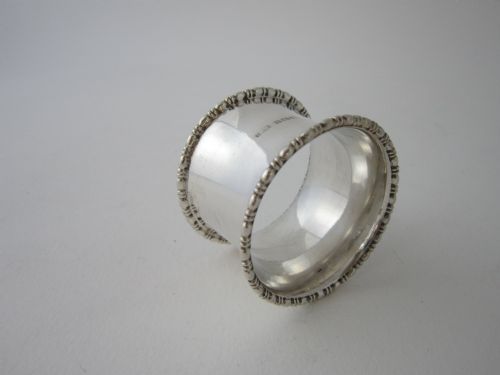
A silver napkin clip is a functional table accessory designed to secure a dining napkin to clothing or hold it in place on the table. The forms vary from simple sprung mechanisms and shield shapes to elaborate equestrian novelties like horseshoes and stirrups.
Buyers will encounter examples spanning the Victorian, Edwardian, and Art Deco periods, alongside George V and George VI iterations. The selection frequently includes fitted boxes lined with velvet or silk, adding to their original presentation.
Materials and construction
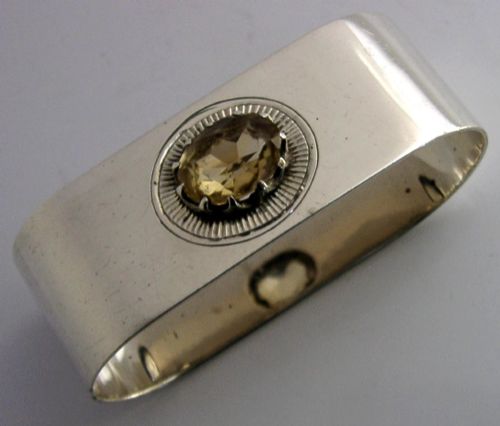
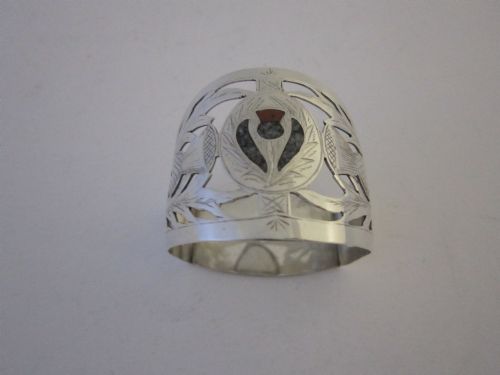
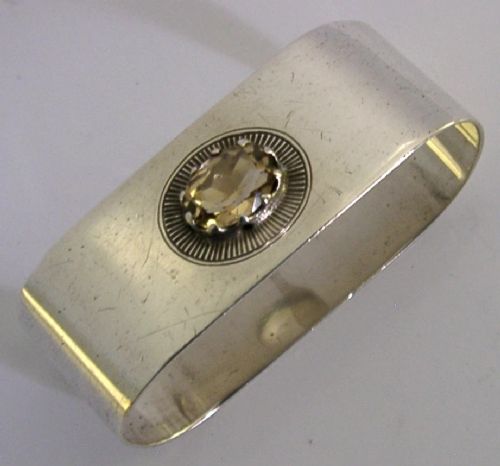
These items are predominantly fabricated from sterling silver, utilising robust metalworking techniques to create working sprung clips and rigid rings. Some pieces incorporate decorative flourishes such as guilloche enamel, citrine, and agate set directly into the silver frame.
Storage housings often utilise leatherette, satin, and velvet within cased sets, protecting the polished metal surfaces. Maker marks and hallmarks stamped into the silver record the assay office, year, and silversmith.
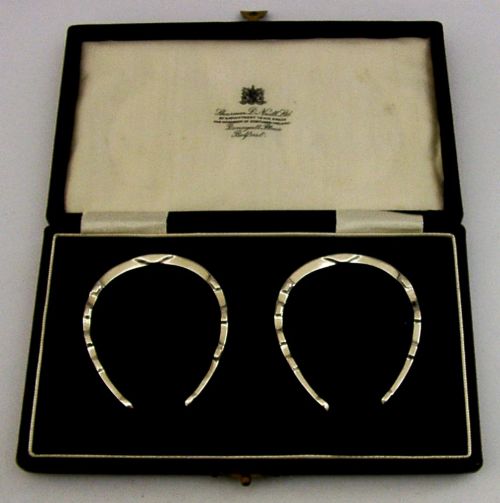
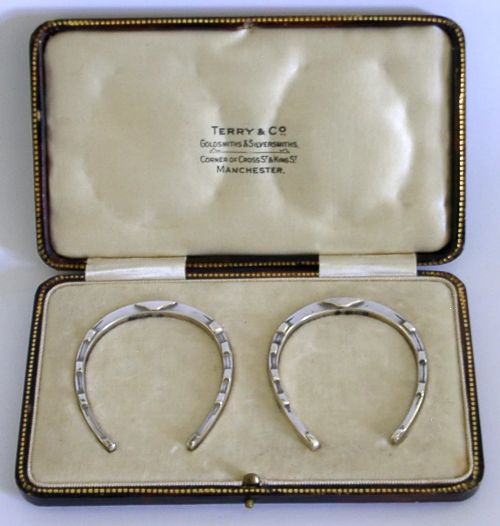
Equestrian novelty forms include stirrup shapes and lucky horseshoes, often found complete with fitted velvet-lined presentation cases.
Distinctions in quality
Quality in a silver napkin clip rests upon the crispness of the chasing, engraving, or novelty modeling, such as distinct horseshoe nails or stirrup straps. Pieces featuring stones like citrine or agate, or detailed guilloche enamel, demonstrate higher levels of craftsmanship.
The strength and tension of the sprung mechanism dictate daily utility, while fitted velvet or leatherette cases preserve the original condition of the silver. Maker attribution, such as work by Francis Webb or David Andersen, elevates the standing of an individual piece.
Francis Webb·David Andersen
The Silver Napkin Clip Glossary
- Sterling silver
- A silver alloy containing 92.5 percent silver by mass and 7.5 percent other metals, usually copper. This standard composition provides the durability required for functional items like clips and rings.
- Guilloche enamel
- A decorative technique where a precise, intricate pattern is mechanically engraved into the underlying metal before translucent enamel is applied. It creates a luminous, patterned surface.
- Citrine
- A yellow to orange quartz variety occasionally set into the metalwork of these table accessories. It introduces colour and contrast to the polished silver.
- Agate
- A rock consisting primarily of chalcedony and quartz, known for its banded appearance. It appears as a decorative inset within the metal body of the tablewares.
- Assay mark
- A stamp or series of stamps applied to precious metals to indicate the purity of the silver, the maker, and the year of testing.
Silver Napkin Clip: Frequently Asked Questions
How do I use a silver napkin clip?
The sprung mechanism attaches the linen securely to a diner's lap or collar during a meal. They serve the same practical purpose as traditional rings but offer a firmer grip on the fabric.
Many examples date from the Victorian and Edwardian eras, reflecting formal dining habits of the period.
Are these pieces dated with hallmarks?
Many items feature British hallmarks that indicate the assay year and the silversmith responsible. Letters and symbols stamped into the metal help establish the precise period of manufacture.
Pieces without full date letters are typically attributed by style, such as Arts and Crafts or Art Deco design elements.
What novelty designs exist?
Equestrian themes are common, including pieces modelled as horseshoes, stirrups, and First World War novelties. These shaped versions reflect the sporting interests popular during the early twentieth century.
Shield shapes and engraved geometric patterns also appear frequently across the Victorian and Edwardian selections.
How should I store cased sets?
Original boxes lined with velvet, satin, or leatherette protect the silver from tarnishing and mechanical wear. Keeping the items in their fitted housings preserves both the lining and the metal.
Store them in a dry environment away from direct sunlight to protect the fabric interiors.