
Vintage Silver Table Decor
These vintage silver table decor pieces bring polish and character to a dining table through items like napkin rings, candlesticks, and menu holders.
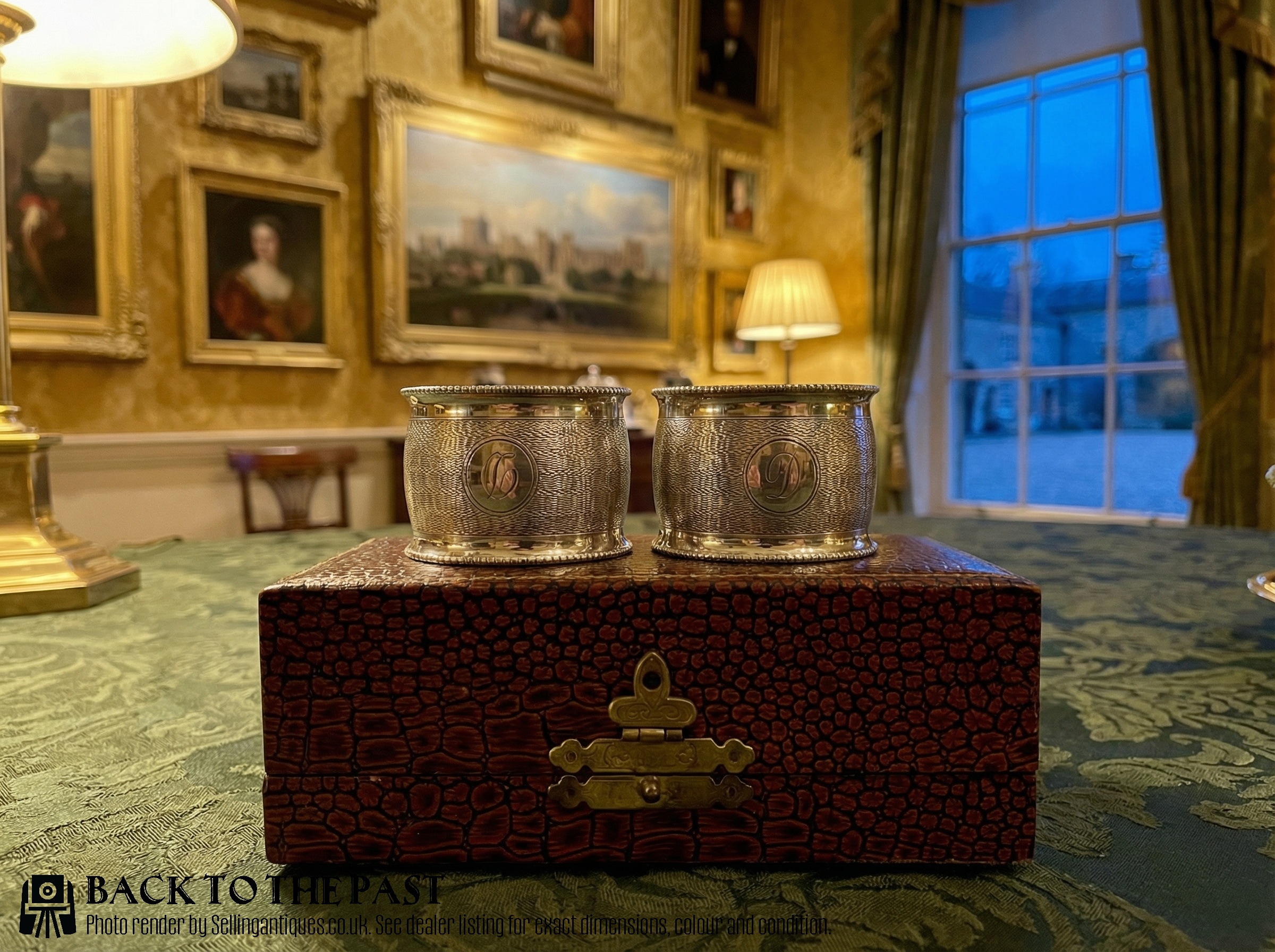
Vintage Silver Table Decor
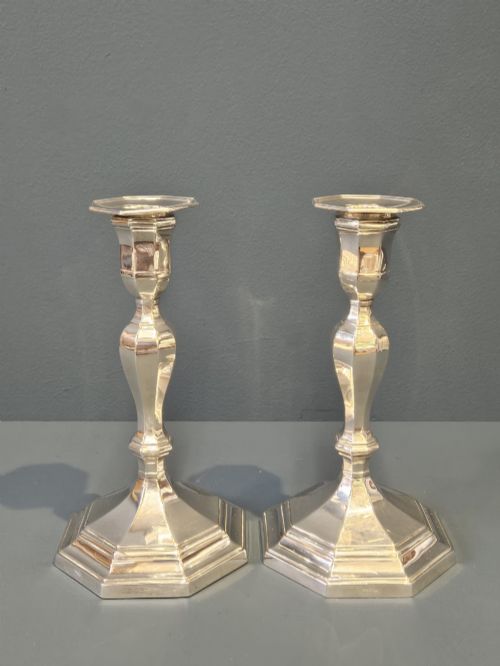
When searching for vintage silver table decor, buyers encounter functional and decorative pieces designed for dining settings. These items include napkin rings, candlesticks, place card holders, knife rests, menu holders, and small table ornaments.
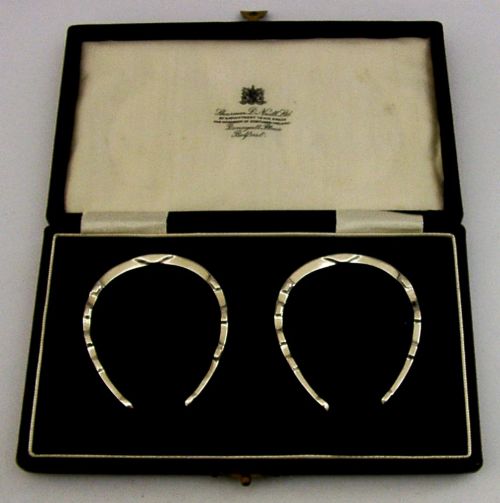
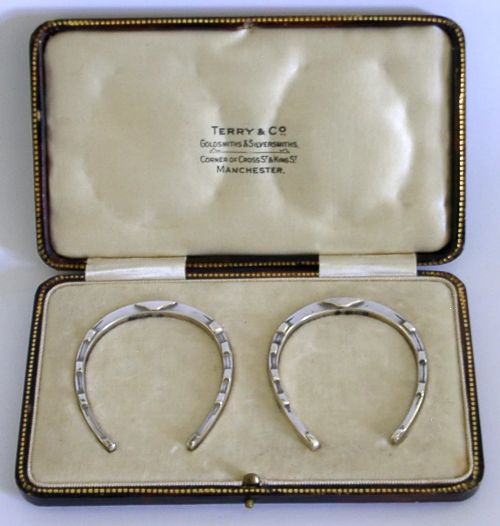
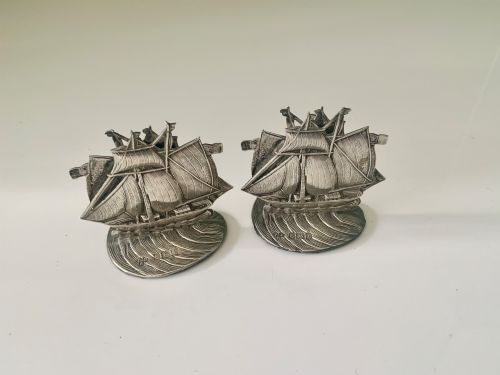
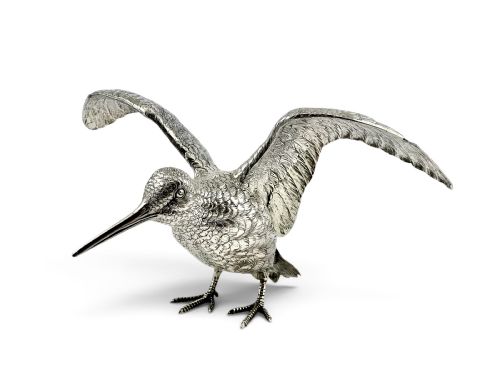
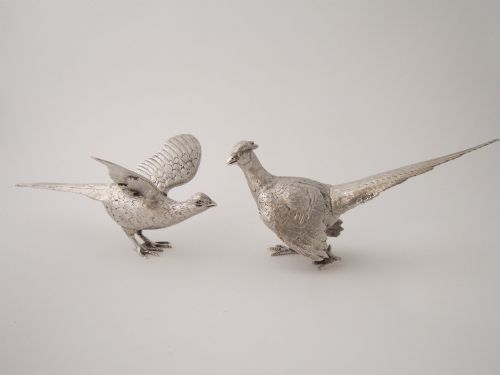
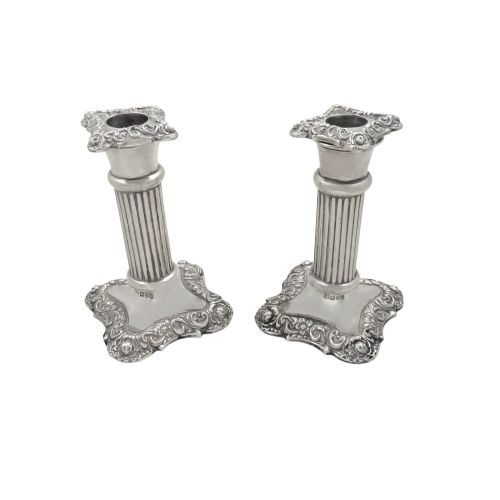
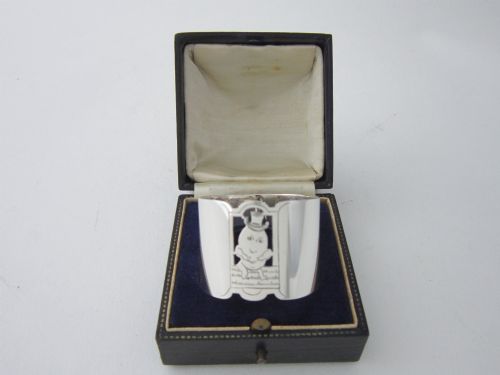
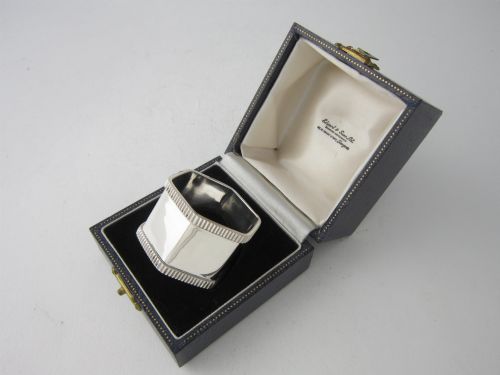
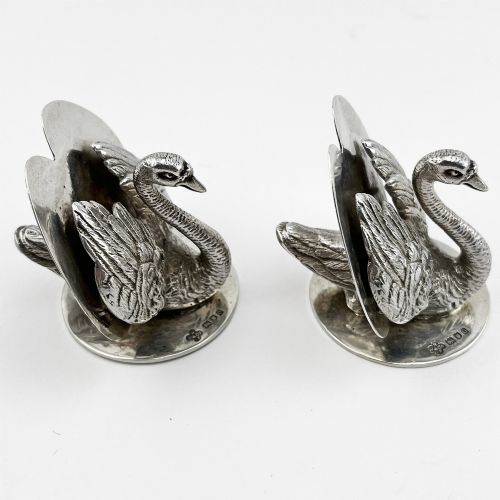
The selection on this page relies heavily on napkin rings, which appear singly, in pairs, and in cased sets. Alongside these, buyers find pairs of candlesticks, novelty menu holders, and figurative animal table ornaments.
The pieces stem predominantly from the Victorian, Edwardian, and mid-twentieth-century periods, spanning reigns from Victoria through to Elizabeth II. Items take forms associated with George V, George VI, and late Victorian aesthetics, alongside revivalist styles.
Variations in quality across the range
The presence of original fitted cases, complete sets, and clear hallmarks elevates the standing of an item. Materials also shift the grade, with solid sterling silver and integrated gemstones or enamel representing higher manufacturing inputs than standard silver plate.
Vintage Silver Table Decor Retail Price Guide 2026
Typical asking prices for vintage silver table decor among the pieces listed under this phrase on Sellingantiques today, from the lower quarter to the upper quarter. They describe what is for sale here now, not the wider market.
Listings span eight distinct periods, from eighteen eighty through to the nineteen fifties, encompassing Victorian, Edwardian, and mid-century British eras.
Hermes Paris·Elkington And Co·Thomas Bradbury And Sons Ltd·Mappin And Webb
The Vintage Silver Table Decor Glossary
- Sterling Silver
- An alloy comprising ninety-two point five percent silver and seven point five percent other metals, traditionally copper. This standard forms the basis for the majority of solid silver table items.
- Silver Plate
- A manufacturing method where a thin layer of silver coats a base metal substrate. This technique provided a durable and accessible alternative to solid silver.
- Silver Gilt
- Silver that has undergone a process of gold plating on its surface. This finish creates a dual-tone appearance on select decorative table items.
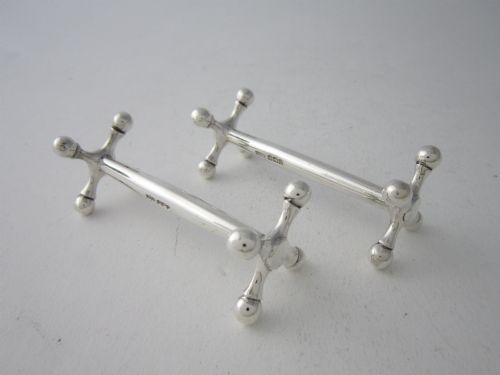
- Knife Rest
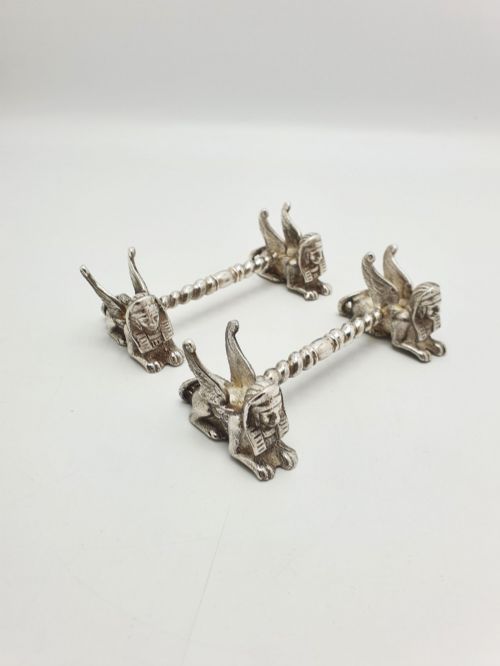
- A small horizontal support designed to keep carving or dining cutlery elevated above the tablecloth between courses. They appear in matched pairs and diverse figural forms.
- Menu Holder
- A weighted upright stand used to display dining menus or place cards on a table. Edwardian and later examples frequently incorporate animal figures.
Vintage Silver Table Decor: Frequently Asked Questions
What are vintage silver napkin rings?
These are small circular bands used at the dining table to identify or store individual napkins between meals. They often appear as matched pairs or in fitted presentation boxes.
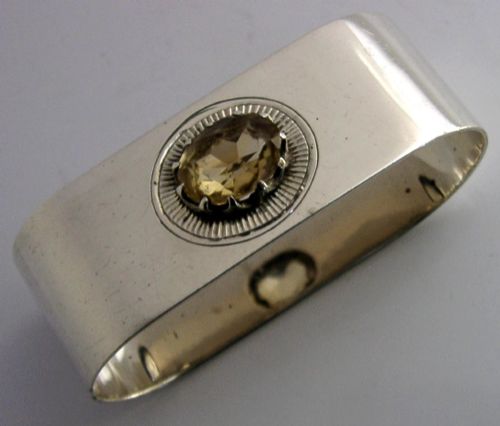
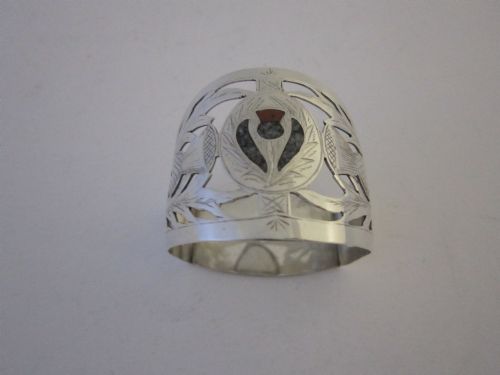
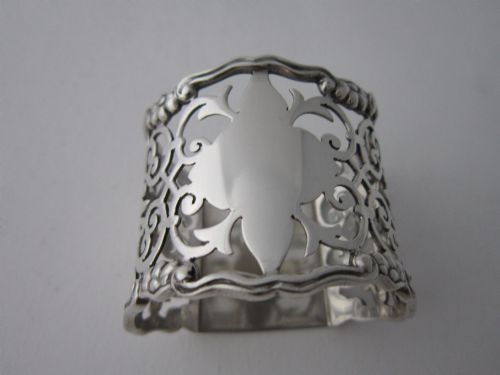
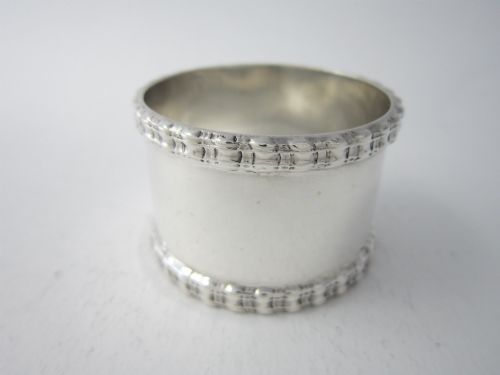
Designs range from plain polished bands to engraved surfaces, inset stones, and figural motifs like horseshoes.
How do you use place card holders?
Place card holders sit on the dining table to display small cards bearing the names of seated guests. They keep names visible and upright among table settings.
These pieces frequently take miniature decorative forms such as animals, birds, or architectural elements.
What are knife rests used for?
Knife rests keep cutlery elevated off the tablecloth to maintain cleanliness during formal multi-course meals. Diners rest the blades upon them between uses.
They are commonly found in pairs and shaped as animals, sphinxes, or architectural bars.
How do you clean silver table decor?
Silver table items require gentle cleaning with a specialist silver cloth or mild polish to remove tarnish without harming the metal. Abrasive materials should be avoided to preserve fine engravings and hallmarks.
Items featuring enamel, stones, or fabric linings need careful handling to prevent moisture damage to delicate components.
How can you date silver items?
Dating silver relies on reading official hallmarks stamped directly onto the metal, which indicate the assay office, standard, and year of production. Stylistic markers such as Edwardian proportions or Art Deco geometries also provide chronological context.
Associated presentation cases and historical documentation further help confirm the era of manufacture.