


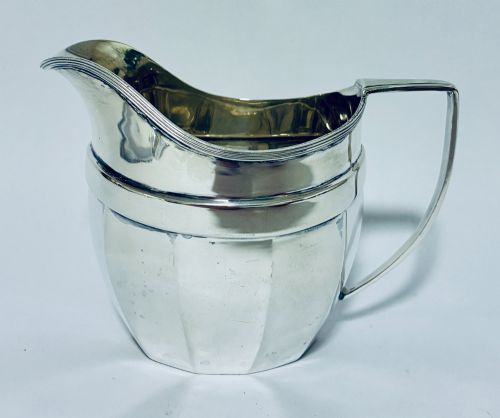
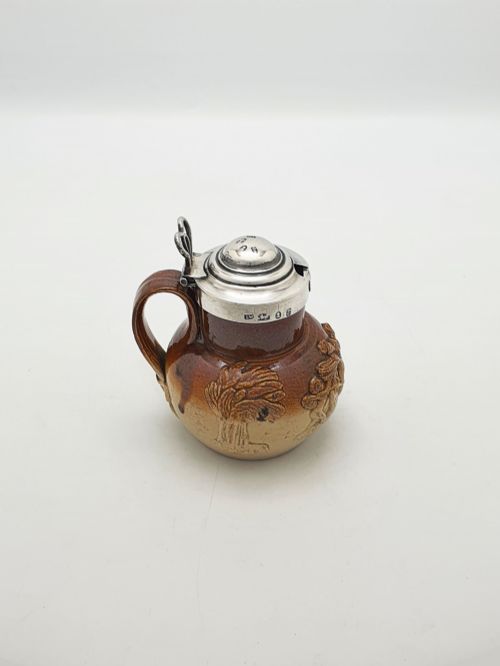


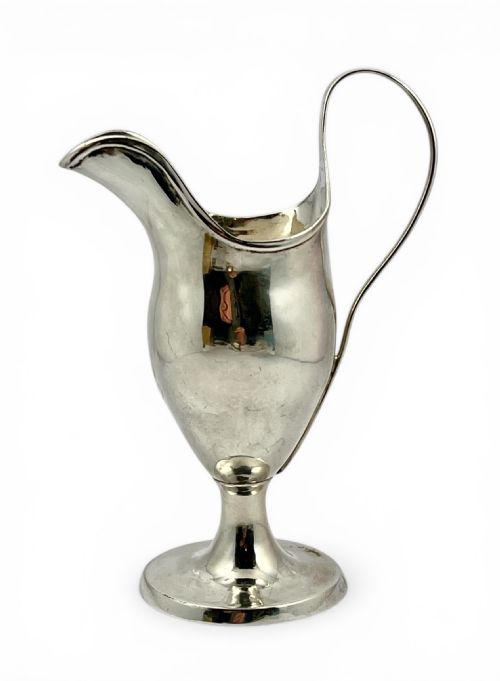
Antique Silver Cream Pitcher
An antique silver cream pitcher brings genuine weight to the table, offering functional elegance that modern vessels simply cannot match.
What an antique silver cream pitcher is
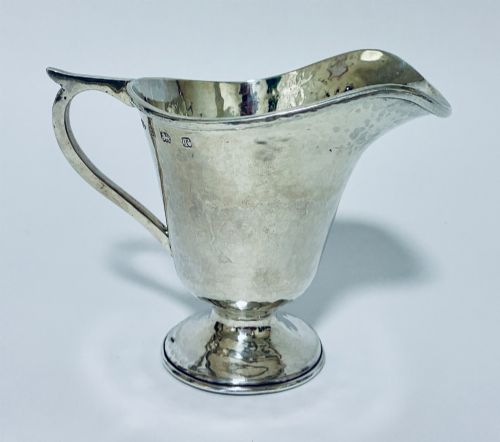
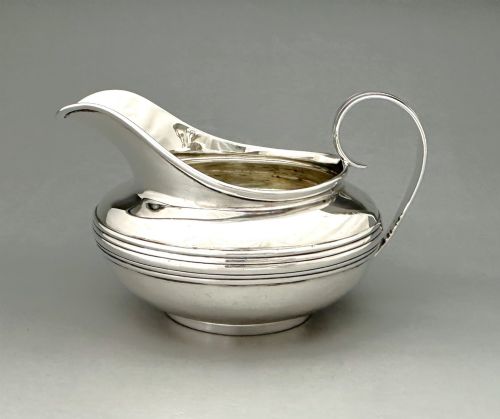
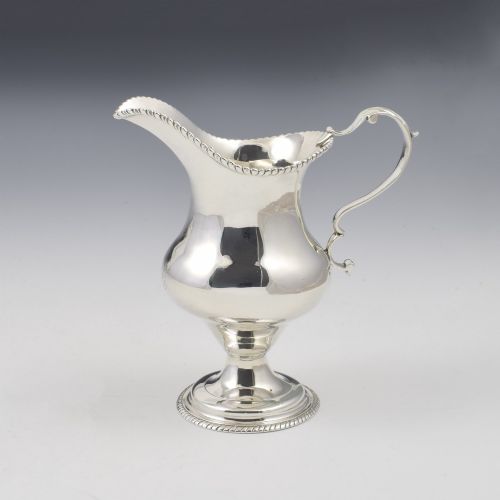
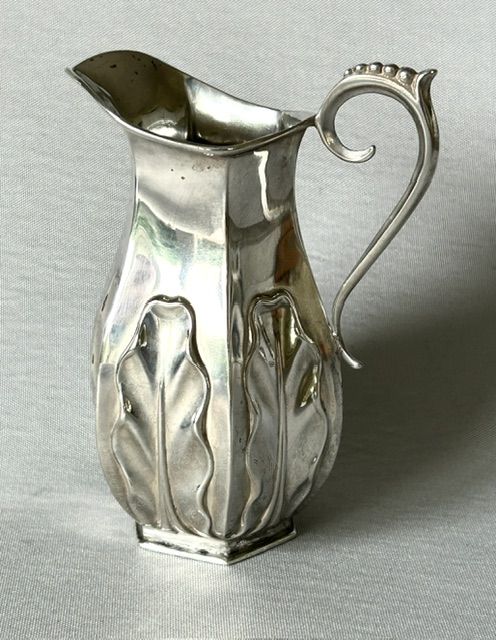
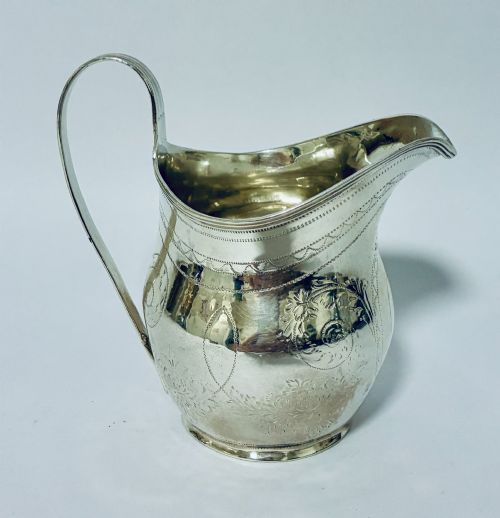
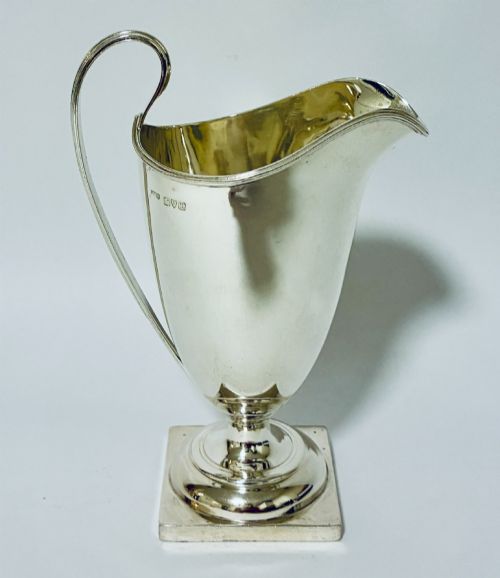
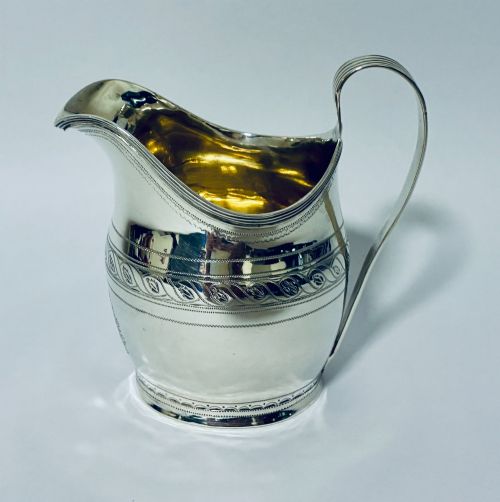
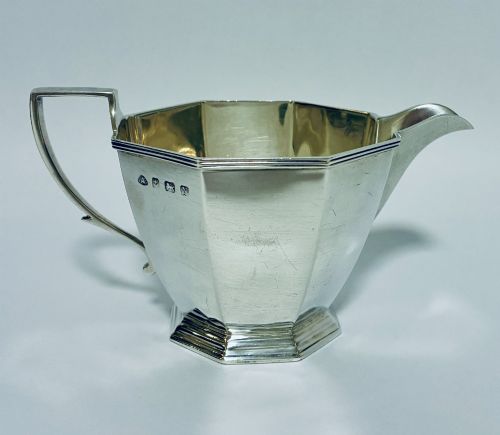
An antique silver cream pitcher is a small domestic vessel designed to serve milk or cream alongside tea or coffee. These pieces appear in forms such as cream jugs, milk jugs, and complete tea or coffee sets paired with sugar bowls and tongs.
The pieces on this page span the Victorian and Edwardian periods, including late Victorian items and examples from around nineteen hundred. Origins include British assay offices like Chester alongside Chinese export works.
Makers and workshops produce these pitchers in sterling silver, silver-gilt, and combined settings featuring glass liners such as Bristol blue glass. Some configurations incorporate textile presentation cases lined with silk and velvet alongside leather exteriors.
How they were made
Silversmiths utilise sterling silver and silver-gilt, shaping the metal into jug and pitcher forms through traditional smithing techniques. Specific examples incorporate organic elements such as small bamboo handles.
Many designs integrate contrasting materials, pairing silver bodies with fitted Bristol blue glass liners inside the vessel. Presentation sets add further craftsmanship through fitted leather cases lined internally with silk and velvet.
Retail Price Guide 2026
Typical UK retail prices for silver cream pitcher, calculated from the Sellingantiques database of over a million retail prices indexed since 2003. This retail price guide relies exclusively on Sellingantiques data; no external sources or auction records are used, so the figures do not describe the wider market.
Listings feature sterling silver, silver-gilt, leather, silk, and velvet across Victorian, Edwardian, and Chinese export styles.
What varies in quality
Quality rests upon the fineness of the metalwork and the complexity of the design, distinguishing standard domestic ware from elaborate export pieces. Elaborate decorative motifs, such as Chinese silver dragon designs, demand superior skill compared to plain utilitarian forms.
The presence of complete matching sets rather than isolated jugs elevates an assemblage, particularly when accompanied by original fitted presentation boxes in leather, silk, and velvet.
Luen Hing
The Antique Silver Cream Pitcher Glossary
- Sterling silver
- A standard alloy consisting of ninety-two point five percent silver and seven point five percent other metals, typically copper. This alloy provides the durability required for daily domestic utility.
- Silver-gilt
- Sterling silver that has been coated with a thin layer of gold on the interior or exterior surface. This technique prevents the silver from tarnishing when exposed to acidic dairy products.
- Bristol blue glass
- A deep vibrant cobalt blue glass traditionally produced in the English city of Bristol during the eighteenth and nineteenth centuries. It provides a striking visual contrast when used as a liner inside pierced or open silver cream jugs.
- Assay office
- A statutory body charged with testing the purity of precious metals and stamping them with official hallmarks. British offices like Chester authenticate the standard of the silver.
- Export silver
- Items manufactured in non-Western markets, particularly China during the late nineteenth and early twentieth centuries, specifically for Western buyers. These pieces frequently display distinctive regional motifs like dragons.
Frequently Asked Questions
How do you use a cream pitcher?
These pitchers serve dairy cream or milk at the dining table, accompanying tea or coffee service. Their spouts and handles allow for controlled pouring into cups.
Collectors frequently display them as part of larger silver table settings or within fitted presentation boxes alongside matching sugar bowls and tongs.
How do I date a silver pitcher?
Dating relies on hallmarks stamped into the metal by official assay offices, indicating the exact year of production and place of origin. Stylistic markers also point to specific eras such as Victorian or Edwardian periods.
Makers' marks and regional export styles help narrow down the manufacturing decade around nineteen hundred.
Are glass liners original?
Many silver cream jugs incorporate coloured glass inserts, such as Bristol blue glass, held within pierced silver frames. These glass components protected the metal from dairy acids.
Finding a pitcher with its original glass liner intact preserves the integrity of the piece as it was used in the period.