


Edwardian Silver Cream Jug
An edwardian silver cream jug brings crisp early twentieth-century form to the tea table, prized for solid metalwork and domestic utility.
Edwardian Silver Cream Jug
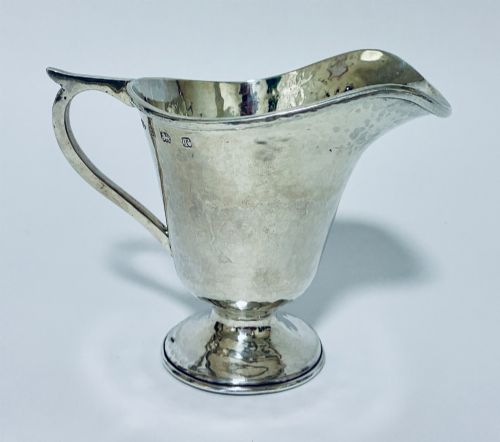
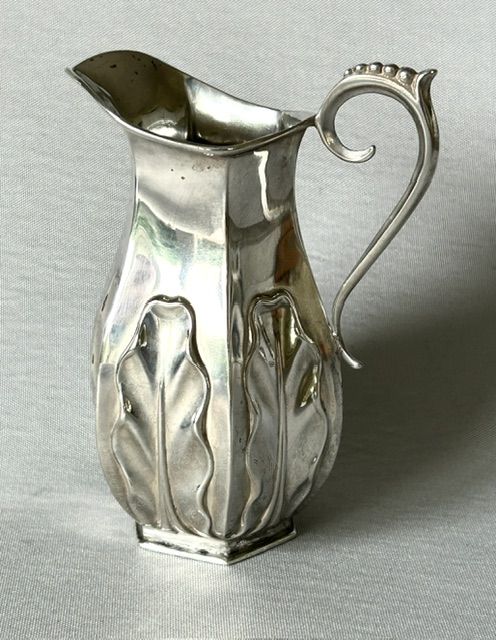
When you search for an edwardian silver cream jug, you encounter small pouring vessels shaped in baluster, helmet, or embossed profiles. These items emerge primarily from the early twentieth century, reflecting the domestic habits of the period.
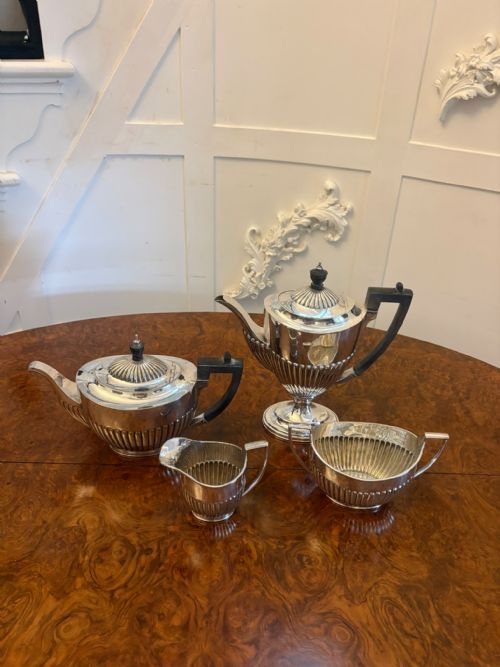
While many appear as standalone pieces, others emerge alongside larger tea and coffee sets or matching sugar bowls. Examples range from plain polished sterling to designs carrying foliate decoration or Arts and Crafts styling.
How they were made
Silversmiths utilised sterling silver and silver plate, often shaping metal through hammering, casting, or spinning. Assay offices in London, Birmingham, Sheffield, and Chester marked these pieces to certify metal purity and date of production.
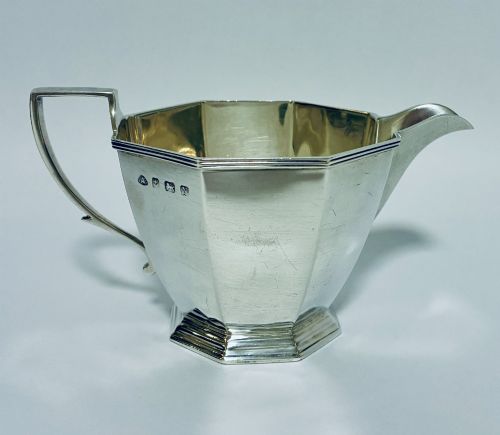
Certain vessels incorporate supplementary materials, pairing silver bodies with ebonised wood handles or mounting glass bowls. Silver-gilt variants add a gold wash to the interior surface.
Listings feature sterling silver, silver plate, and porcelain, spanning Victorian, Edwardian, Arts and Crafts, and Art Deco styles.
What varies in quality
Gauge and weight distinguish sturdier examples from lighter productions, dictating how the metal resists dents and holds balance in the hand. Substantial handles and crisp embossing indicate greater attention during manufacture.
The clarity of hallmarks and the reputation of the maker, such as recorded silversmiths from Birmingham or Sheffield, separate standard domestic output from more collectible workshop pieces.
Walker and Hall·George Unite·Harry Atkin·Robert Pringle·Asprey and Co
The Edwardian Silver Cream Jug Glossary
- Baluster
- A vase-like architectural form curving outward near the base and tapering at the neck. This silhouette frequently appears on domestic hollowware.
- Silver Plate
- A base metal layer covered with a thin coating of silver. Items marked EPNS denote electroplated nickel silver.
- Hallmark
- A series of stamped symbols indicating the maker, assay office, metal standard, and year of testing. These marks provide historical verification for British silver.
- Silver-Gilt
- Silver that has been coated with a layer of gold on its surface. This technique protects the interior from tarnishing when in contact with acidic liquids.
Edwardian Silver Cream Jug: Frequently Asked Questions
How do I clean an edwardian silver cream jug?
Use a soft cloth and a specialised silver polish to remove tarnish without abrading the surface details or hallmarks.
Avoid harsh chemical dips that strip away the natural dark oxidation residing within recessed engraved patterns.
Can I use these jugs for daily milk service?
Sterling silver and silver-plated vessels function effectively for serving milk or cream at the dining table.
Wash the interior promptly after use with warm soapy water and dry thoroughly to maintain the metal finish.
What is the difference between sterling and silver-plated jugs?
Sterling silver consists of solid metal regulated by a legal purity standard, whereas plated items apply silver over a base metal core.
Hallmarks on sterling pieces show specific assay office symbols and standard marks, which plated versions lack.
How can I tell the date from the hallmarks?
British silver incorporates a specific date letter stamp that corresponds to the active year of the assay office.
Reference charts match the particular letter font and shield shape to the exact year of manufacture.