


Edwardian Silver Creamer
These edwardian silver creamer examples are practical table vessels designed to serve milk or cream, prized for period craftsmanship and daily utility.
Edwardian Silver Creamer
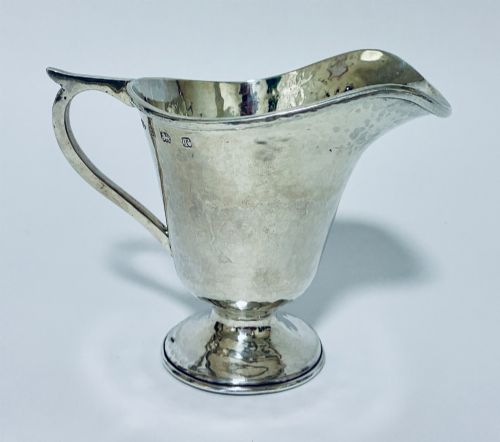
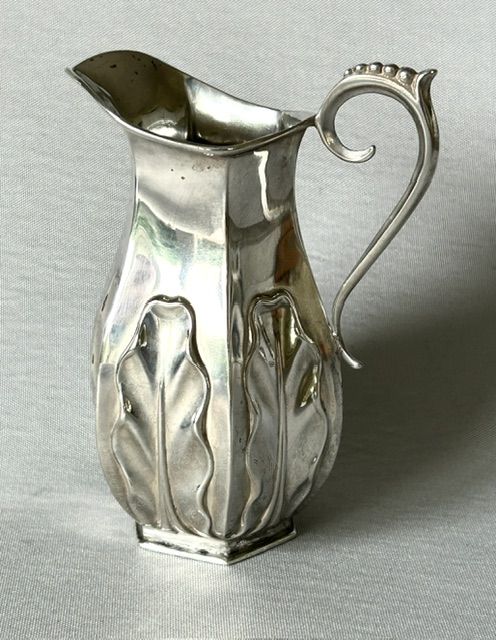
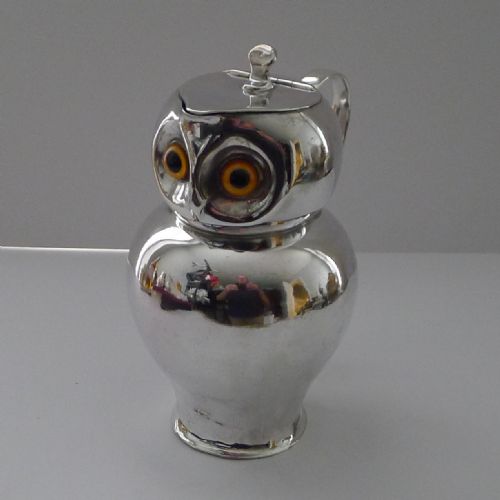
When you search for an edwardian silver creamer, you encounter small pouring vessels shaped as milk jugs, cream jugs, and parts of larger tea sets. The selection spans standard domestic forms alongside novelty animal designs such as owls or cows.
Most items on this page align with the Edwardian era, George V period, and late Victorian styles, though pieces span from the late nineteenth century into the nineteen thirties. You will find both sterling silver and silver-plated metal, sometimes accented with glass eyes, ebony, or wooden handles.
Makers range from individual silversmiths to established firms like the Goldsmiths and Silversmiths Co. and George Unite. Forms vary from hand-engraved floral designs to plain polished bodies intended for afternoon tea service.
Materials and construction
Silversmiths utilised sterling silver and silver-plate over base metal, shaping bodies through hammering, casting, and spinning. Handles often incorporated insulating materials such as ebony or wood to protect fingers from hot contents.
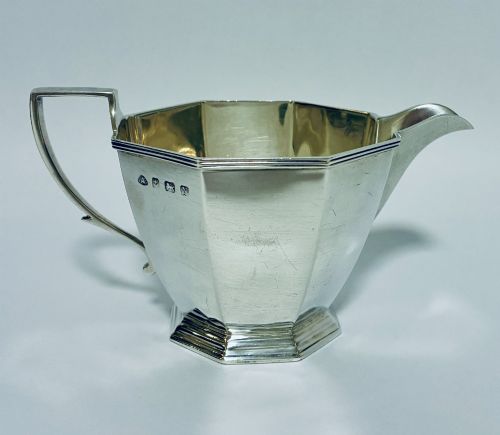
Decorative touches included hand-engraved floral motifs and parcel-gilt interiors, while novelty pieces utilised fitted glass eyes. Stamped hallmarks and maker marks on the base record the assay office, city, and year of production.
Listings span from the late nineteenth century through to nineteen thirty, encompassing sterling silver, silver-plate, wood, glass, and ebony.
Factors influencing quality
Quality rests on the crispness of the hand-engraving, the weight of the metal, and the balance of the spout and handle. Pieces with distinct maker stamps and clear hallmarks demonstrate traceable provenance.
The integrity of the construction, from secure handle joints to unblemished silver-gilt interiors, separates standard utility jugs from finer examples.
George Unite·Goldsmiths and Silversmiths Co.
The Edwardian Silver Creamer Glossary
- Hallmark
- A series of official marks stamped on precious metals showing the maker, standard of purity, assay office, and year of production. These stamps provide a reliable method for dating the vessel.
- Silver-Plate
- A process where a thin layer of silver is fused to a base metal core. This technique offered an affordable alternative to solid sterling silver during the period.
- Sterling Silver
- An alloy consisting of pure silver and other metals, usually copper, standardised for durability. It remains the primary precious metal standard for fine tableware.
- Silver-Gilt
- Sterling silver that has been coated with a thin layer of gold on the interior surface. This protected the silver from tarnishing when exposed to acidic dairy products.
- Novelty Jug
- A container shaped into a humorous or figurative form, such as an animal or bird. These figural pieces were popular conversation items on tea tables.
Edwardian Silver Creamer: Frequently Asked Questions
How do I date an edwardian silver creamer?
Dating relies primarily on the stamped hallmarks found on the body or base of the vessel. These marks indicate the assay office, the specific date letter, and the maker.
Style and decorative motifs also offer clues, as floral hand-engraving and structural forms shifted between the late Victorian period and the nineteen twenties.
Are these creamers made of solid silver?
The pieces available include both solid sterling silver and silver-plated metal over a base metal core. Hallmarks usually indicate sterling standard, while plated items bear alternative manufacturer marks.
Both types were produced contemporaneously to serve households at different price points.
Can I use an antique creamer daily?
These vessels were built for practical domestic use during afternoon tea services and remain fully functional today. Gentle hand washing preserves the surface finish and any delicate handle materials.
Avoid abrasive cleaners to protect silver-plate layers and hand-engraved surface details over time.