




Antique Sterling Cream Jug
An antique sterling cream jug brings small-scale silverwork into focus, offering period character for daily tea service.
Antique Sterling Cream Jug
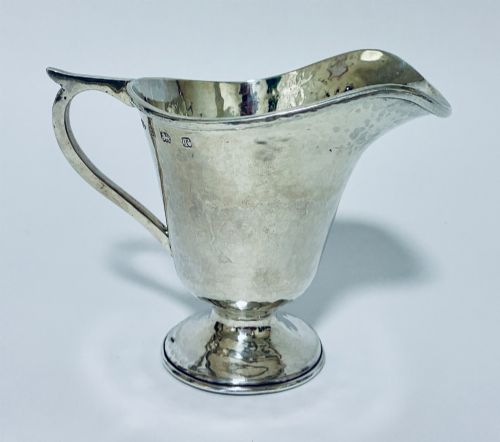
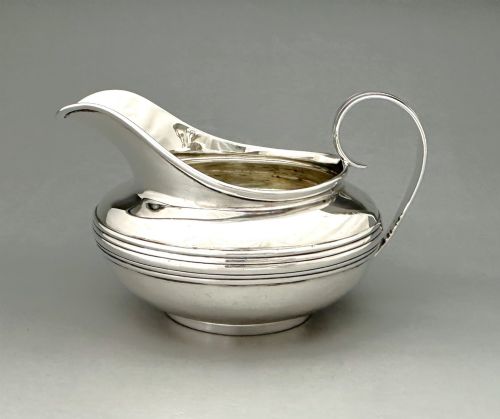
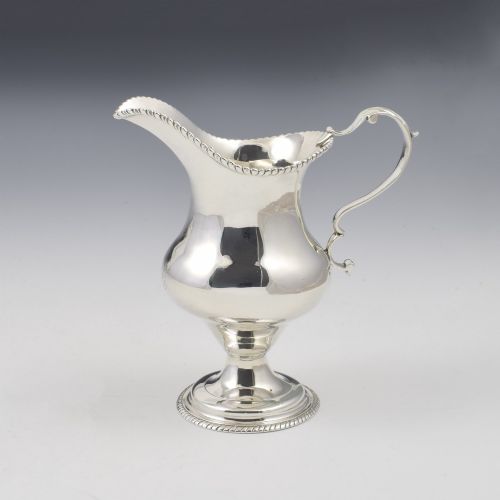
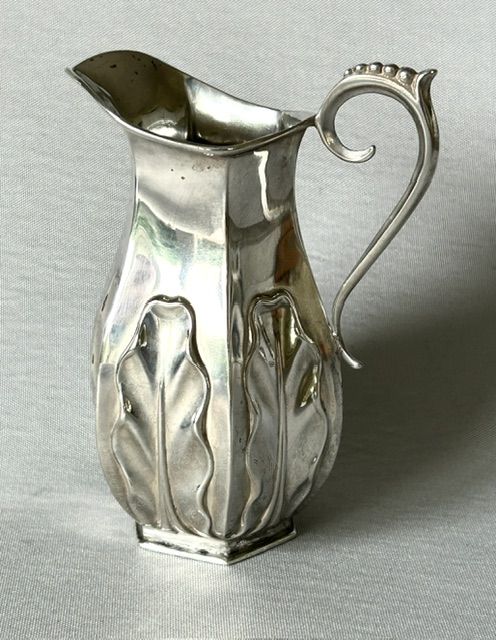
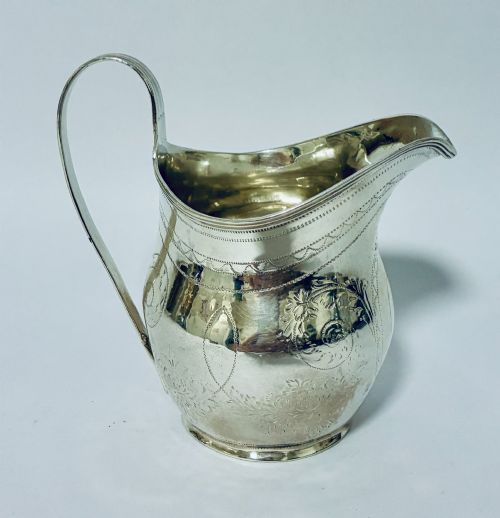
An antique sterling cream jug is a small vessel designed for serving milk or cream alongside tea or coffee. When you browse this selection, you encounter forms spanning the eighteenth century through the twentieth century, with Georgian and Victorian examples appearing most frequently.
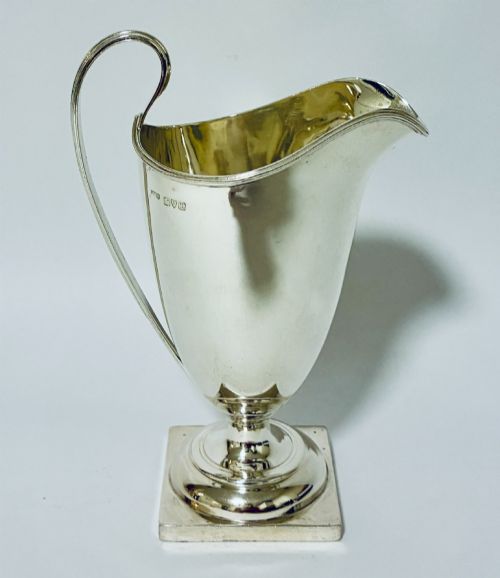
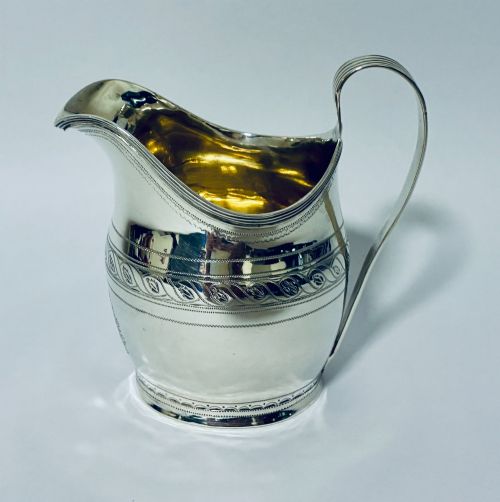
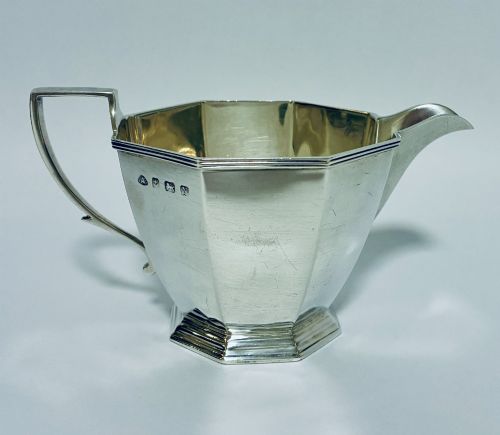
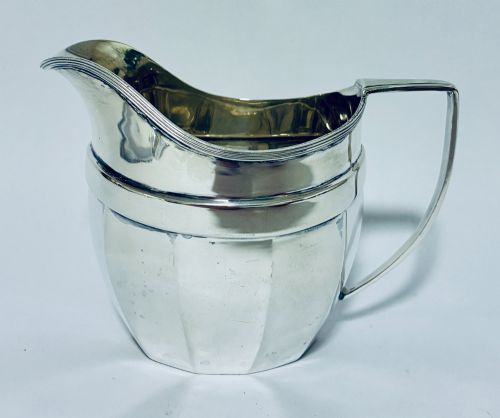
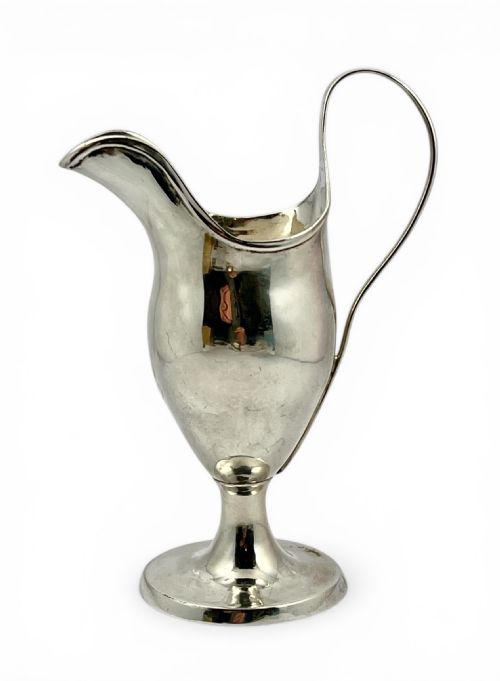
The objects take various shapes, from helmet profiles and sparrow beak bodies to pedestal designs and bulbous milk jugs. Many arrive as individual table pieces, while others form part of larger tea and coffee sets or matched silver services.
Makers fashioned these pitchers for domestic utility, resulting in items that range from plain provincial pouring vessels to ornate Neoclassical and Arts and Crafts creations. The selection reflects changing British dining customs across successive reigns and stylistic movements.
How they were made
Silversmiths constructed these jugs primarily from sterling silver, shaping the metal through hammer work, raising, and spinning techniques. Some pieces incorporate cast handles, applied feet, and decorative cast rims soldered to the main body.
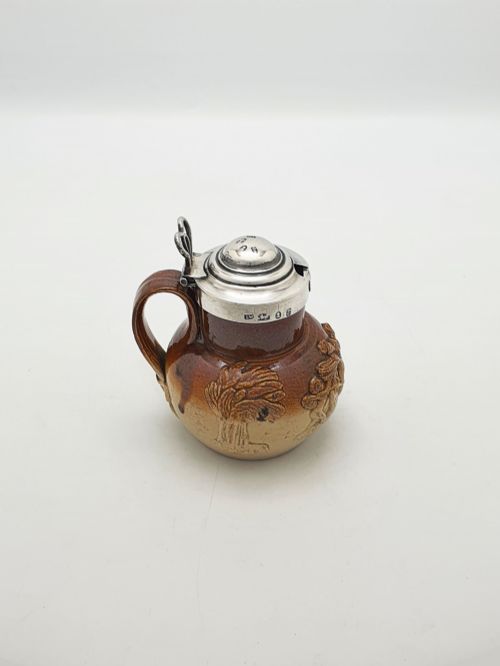
Certain specialised pieces combine silver with other materials, such as stoneware bodies fitted with sterling silver collars and hinged lids. Interior surfaces occasionally feature gilt finishes, known as silver-gilt, applied to protect the silver from dairy acids.
Materials across the selection include sterling silver, silver-gilt, stoneware, wood, and silk components.
What varies in quality
Quality in these domestic silver vessels rests upon the crispness of the chasing, the balance of the handle, and the weight of the metal. Superior examples exhibit precise hand-engraving, secure soldering at the joints, and well-proportioned spouts that pour cleanly.
The reputation of the maker and the clarity of the hallmarking stamps further distinguish finer items from standard commercial wares. Pieces bearing the marks of celebrated silversmiths command greater interest due to their superior craftsmanship and documented provenance.
Peter and Ann Bateman·John Emes·George Unite·Robert Pringle and Sons·Goldsmiths and Silversmiths·John Mackfarlan·Stalker and Mitchison·John Rawlings·Paul Storr
The Antique Sterling Cream Jug Glossary
- Hallmark
- Official stamps struck into precious metals to guarantee purity, origin year, and maker identity. These marks provide the primary evidence for dating British silver.
- Sparrow beak
- An early eighteenth century form of cream jug featuring a short, pinched spout resembling a bird's beak. This profile characterises pieces from the reigns of George I and George II.
- Helmet cream jug
- A vessel shape widening toward the top with a flaring rim and a prominent pointed spout, resembling a classical helmet. This outline became popular during the Neoclassical period.
- Bright cut
- An engraving technique utilising faceted cuts to create reflective geometric or floral patterns on the silver surface. It appears frequently on Georgian items.
- Silver-gilt
- Sterling silver coated with a thin layer of gold on the interior surface. This treatment prevents tarnish and corrosion from acidic contents like cream or lemon.
Antique Sterling Cream Jug: Frequently Asked Questions
How do I date a silver cream jug?
Dating relies upon the stamped hallmarks, which record the assay office, the standard mark, and a date letter specific to that office. Comparing the style, such as a Georgian helmet shape or a Victorian pedestal form, provides additional clues.
Makers' marks further narrow the period of creation when cross-referenced with historical silversmith records. Combining the assay letter with stylistic evidence secures the decade of manufacture.
Were these jugs used only for cream?
These vessels served milk as well as cream for tea and coffee services, functioning as standard table accessories. Households utilised them daily during formal morning and afternoon gatherings.
Larger versions often doubled as water pitchers or milk ewers depending on the meal setting. Their primary role remained the dispensing of dairy liquids at the table.
How should I clean antique sterling silver?
Cleaning requires a soft cloth and a dedicated silver polish designed to remove tarnish without abrading the metal surface. Gentle washing in warm soapy water removes everyday oils and residues.
Avoid harsh chemical dips that strip away desirable patination and damage soldered joints. Regular, light polishing preserves the definition of engraved details and hallmarks.
Can I use an antique cream jug daily?
Daily use is entirely practical for solid silver vessels built to withstand regular handling at the dining table. Sterling silver is durable, though hand washing is necessary to protect the finish.
Care should be taken to avoid abrasive scourers that scratch the polished surface. Rinsing the interior after use prevents dairy residues from dulling the silver or gilt lining.