



Victorian Silver Milk Pitcher
These Victorian silver milk pitcher examples bring nineteenth-century craftsmanship directly to the modern tea table.
Victorian Silver Milk Pitcher
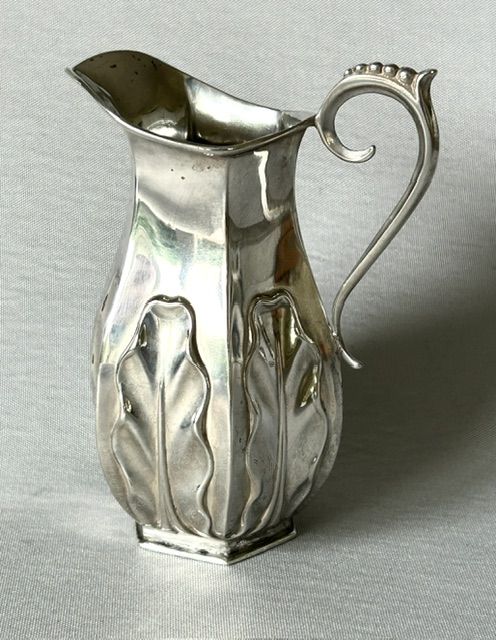
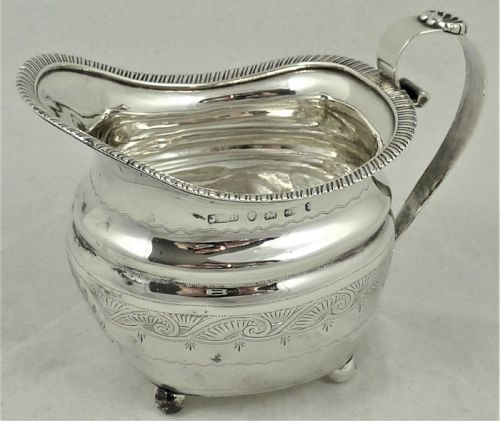
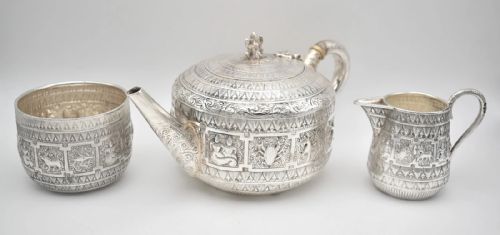
A Victorian silver milk pitcher represents a quintessential piece of nineteenth-century dining silver, designed specifically to serve milk or cream alongside tea. Buyers searching for a victorian silver milk pitcher will encounter various forms, including pedestal vessels, lidded jugs, and matched tea service components.
The objects appearing on this page span several decades of the nineteenth century, featuring specific assay office years such as 1849, 1863, 1864, 1874, 1875, 1877, 1886, 1890, and 1894. Most pieces align with the Victorian and Late Victorian periods, while occasional examples reflect Georgian influences or later twentieth-century interpretations.
Makers and workshops of the era produced these items in distinct regional styles, utilising London, Chester, and other British assay offices. Formats range from simple cream jugs to ornate figural and naturalistic designs, offering substantial variety for collectors.
Materials and Construction Techniques
Silversmiths constructed these vessels primarily using solid sterling silver and standard silver, frequently applying parcel-gilt interiors to protect the metal from dairy acids. Certain pieces incorporate organic elements such as woven cane handles to provide insulation against warm liquids.
Manufacturing methods relied heavily on traditional hand-engraving, chased decoration, and embossing to create ornate floral, tavern scene, zodiac, and Indianesque motifs. Workshops also utilised pedestal bases and figural elements cast separately before assembly.
Victorian silversmiths occasionally added hidden tavern scenes and zodiac creatures to everyday milk jugs, ensuring morning tea came with a story.
Distinctions in Quality and Execution
The distinction between standard production and top-tier work rests on the crispness of the hand-chased ornamentation and the depth of the figural or naturalistic relief. Pieces featuring complex tavern scenes, zodiac imagery, or specialised naturalist styling require advanced silversmithing skill compared to plain geometric forms.
Makership significantly influences standing, with documented firms and recognised silversmiths commanding attention through superior finishing and robust gauge silver. Furthermore, the inclusion of original hallmarks, lidded mechanisms, and intact woven handles preserves the integrity of the object.
Robert Hennell·Thomas Smily·Hamilton Crichton And Co·George Fox
The Victorian Silver Milk Pitcher Glossary
- Sterling silver
- A silver alloy containing 92.5 percent pure silver by mass, standard for British domestic plate. This metal provides the durable foundation for nineteenth-century hollowware.
- Hallmark
- An official stamp applied by an assay office indicating metal purity, the city of origin, and the date of manufacture. These marks allow collectors to trace the exact year a piece was tested.
- Chasing
- A metalworking technique where the silversmith depresses the front surface of the silver with a hammer and punch to raise a design in relief. This method creates the detailed floral and figural scenes seen on Victorian jugs.
- Gilt
- A thin layer of gold applied to the interior surface of a silver vessel. Silversmiths gilded cream jugs to prevent tarnishing and corrosion caused by the acidity of milk.
- Pedestal base
- A raised foot supporting the main body of the pitcher. This architectural feature elevates the vessel and reflects classical design revivals popular during the nineteenth century.
Victorian Silver Milk Pitcher: Frequently Asked Questions
How do I date a silver milk pitcher?
Examine the stamped hallmarks located on the exterior or base of the vessel, which typically include a date letter corresponding to a specific assay office year. Comparing the style of decoration, such as Victorian Naturalist or Rococo Revival, helps narrow the decade of production.
Makers' marks also provide direct clues to the active years of the silversmith or workshop. Matching these punch marks against historical records confirms the exact period of manufacture.
Were these pitchers used only for milk?
Victorian households primarily utilised these vessels for serving milk or cream during formal tea service rituals. Their capacity and spout design made them ideal for pouring liquids smoothly into cups.
Some larger examples functioned interchangeably within a three-piece tea set alongside sugar bowls and teapots. Today, collectors often repurpose them as small floral vases or display pieces.
Why do some jugs have woven handles?
Makers incorporated materials like woven cane around silver handles to provide a secure, heat-resistant grip when serving warm liquids. This practical addition was particularly common on specific Victorian and nineteenth-century designs.
The texture of the woven material also created a pleasing visual contrast against the polished silver body. These organic elements require gentle handling during cleaning to preserve their condition.
What is the difference between sterling and standard silver?
Sterling silver designates a specific alloy standard containing 92.5 percent pure silver combined with other metals, usually copper, for strength. British pieces from this era frequently carry the lion passant mark to denote this standard.
General silver items may fall outside this precise statutory alloy, though nineteenth-century British hollowware is overwhelmingly sterling. Hallmarks provide the definitive guide to the exact metal standard used.
How should I clean antique silver pitchers?
Maintain the surface using a soft microfiber cloth and a mild silver polish formulated specifically for antique metalwork. Avoid abrasive pads or harsh chemical dips that can strip away fine chasing and historical patina.
Take special care around insulated handles made of cane or organic materials to keep moisture away from vulnerable joints. Regular, gentle dusting is often sufficient for pieces kept on display.