


Late Victorian Tableware
Late victorian tableware brings functional elegance to the dining table through silver plate, cut glass, and porcelain created around the turn of the twentieth century.
What these pieces are
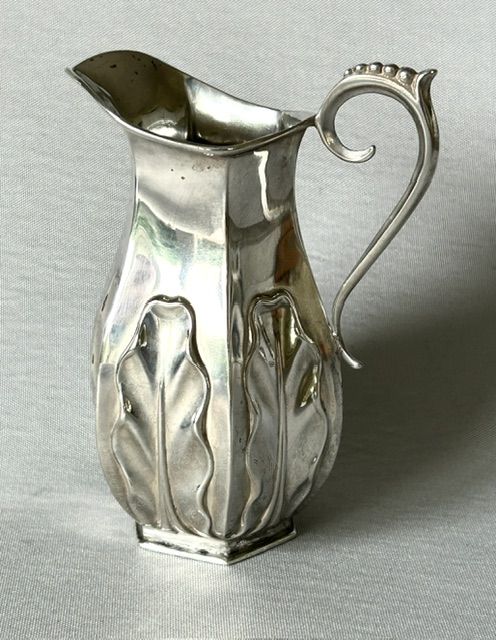
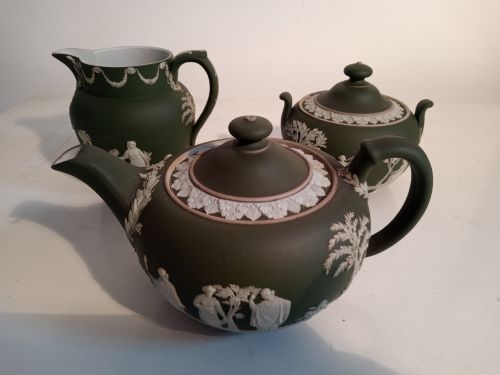
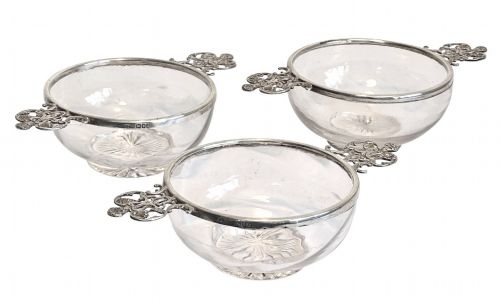
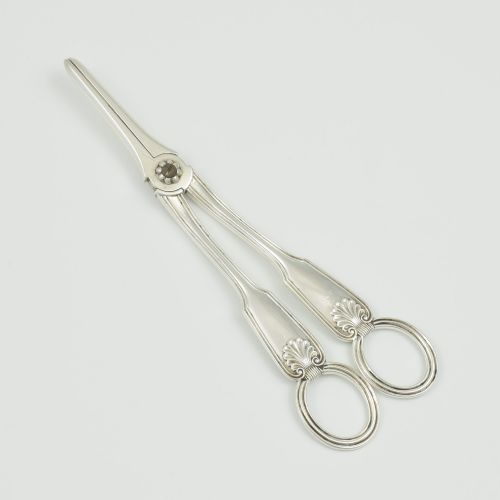
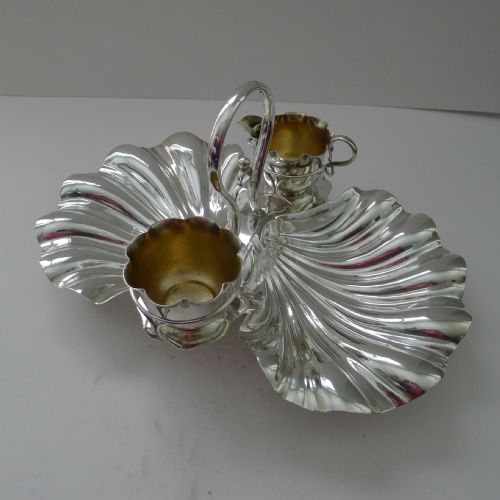
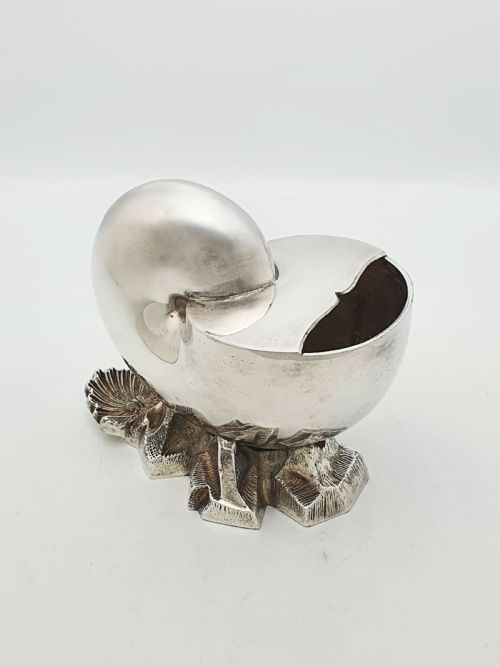
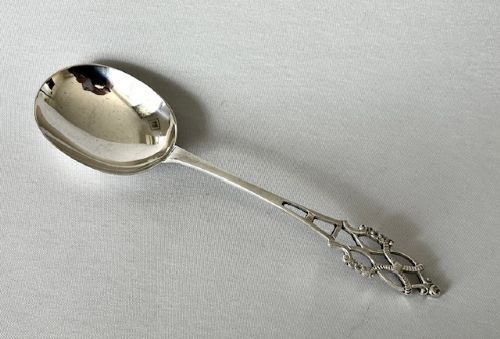
Late victorian tableware encompasses serving pieces, cream jugs, dessert sets, decorative bowls, spoon warmers, and knife rests designed for formal dining around eighteen-ninety and nineteen hundred. These items combine utility with the ornamental tastes of the late nineteenth century, reflecting the rigorous social rituals of the period.
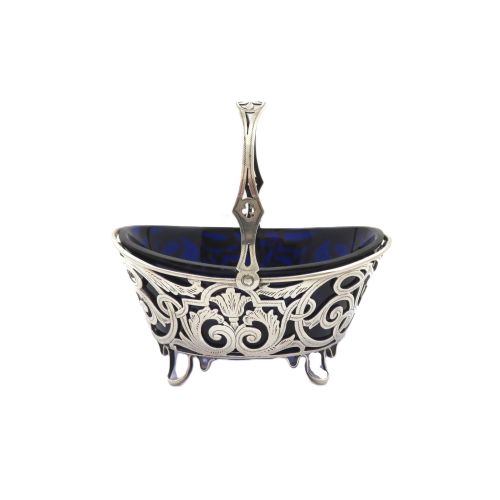
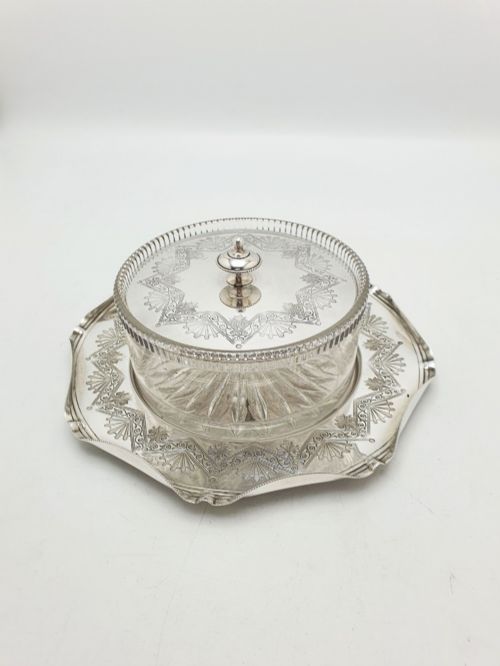
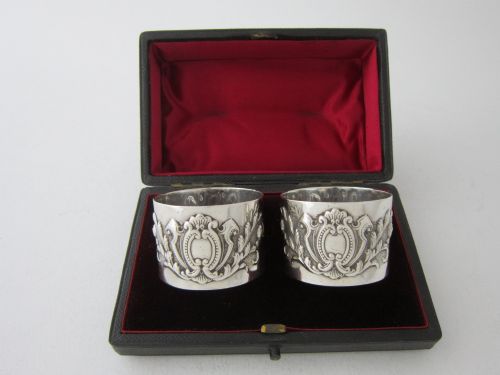
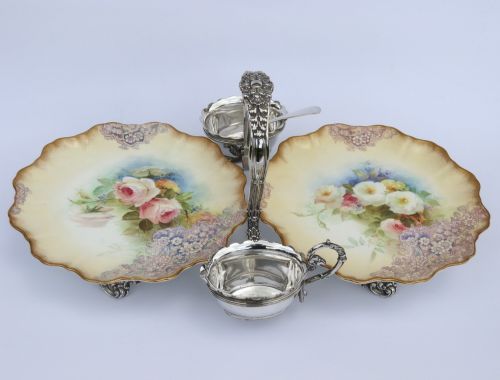
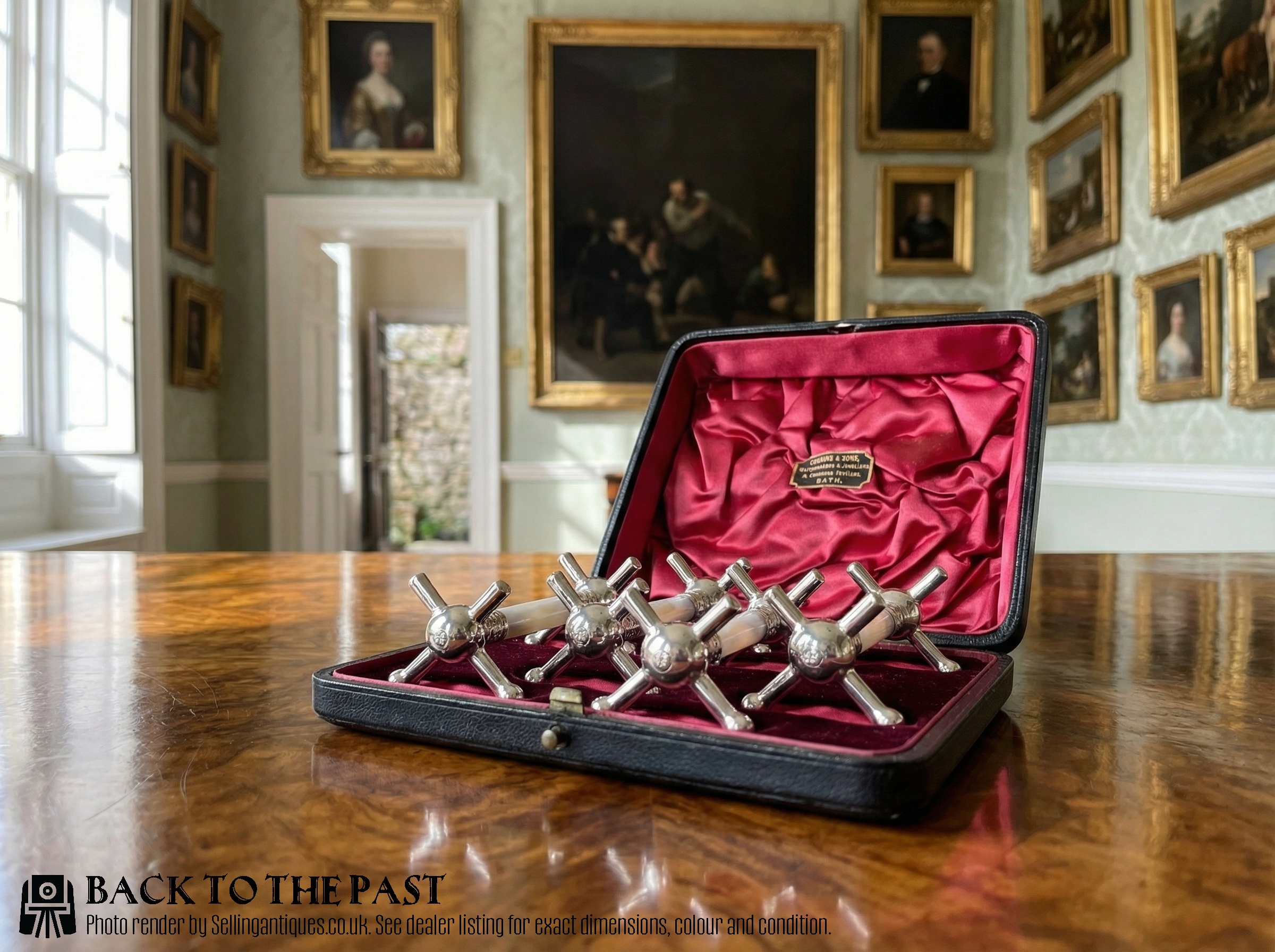
The objects on this page represent the diverse materials utilised in late victorian households, ranging from sterling silver and silver plate to hand-painted porcelain and cranberry glass. Buyers encounter specific dining accessories such as butter dishes with glass liners and boxed knife rests with mother of pearl handles.
How they were made
Makers utilised sterling silver and silver plate over base metals to achieve durable, lustrous surfaces for serving utensils and cream jugs. Glass elements involve cut glass and cranberry glass, often paired with pierced metalwork or fitted liners.
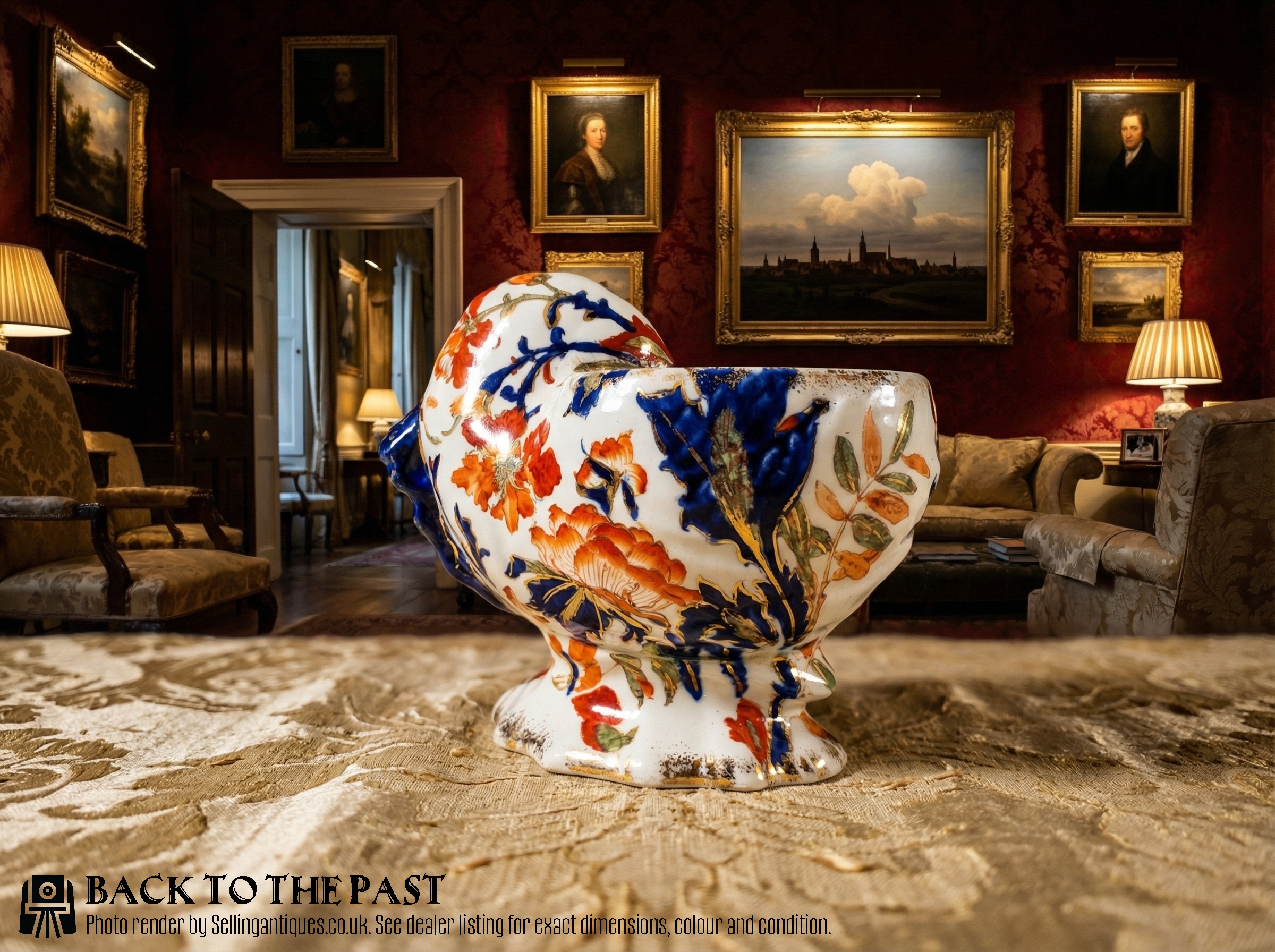
Ceramic pieces feature porcelain and china with hand-painted decoration and delicate gilding. Metal components incorporate piercing and specialised moulding techniques to shape knife rests and butter dish frames.
Retail Price Guide 2026
Typical UK retail prices for late victorian tableware, calculated from the Sellingantiques database of over a million retail prices indexed since 2003. This retail price guide relies exclusively on Sellingantiques data; no external sources or auction records are used, so the figures do not describe the wider market.
The listings on this page span two distinct decades, featuring pieces made in eighteen-ninety and nineteen hundred.
What varies in quality
Quality rests upon the fineness of hand-painted ceramic details, the crispness of pierced metalwork, and the preservation of original gilding and silver plating. Pieces featuring renowned potteries or combined materials like mother of pearl demonstrate superior craftsmanship.
The integrity of secondary components, such as matching glass liners for butter dishes or complete boxed sets of knife rests, distinguishes standard utility ware from finer examples intended for display.
Walker and Hall·Doulton Burslem·Ridgways China
The Late Victorian Tableware Glossary
- Silver plate
- A thin layer of silver fused to a base metal core. This technique provided the appearance of solid silver at a lower cost for dining utensils and serveware.
- Cranberry glass
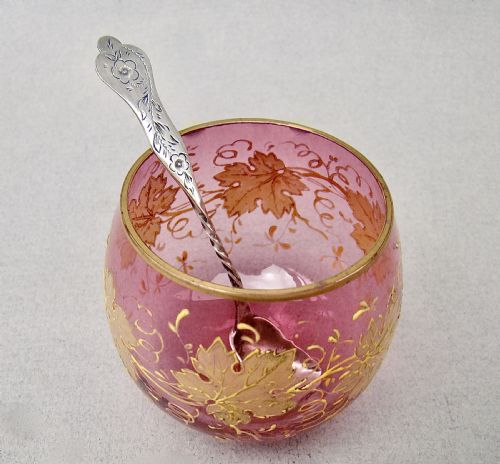
- A rich red glass produced by adding gold chloride to the molten glass batch. It appears frequently in decorative bowls and tableware from the period.
- Spoon warmer
- A specialised Victorian vessel filled with hot water to warm spoons before serving soup or dessert. These ceramic or silver items sit upon the dining table.
- Knife rest
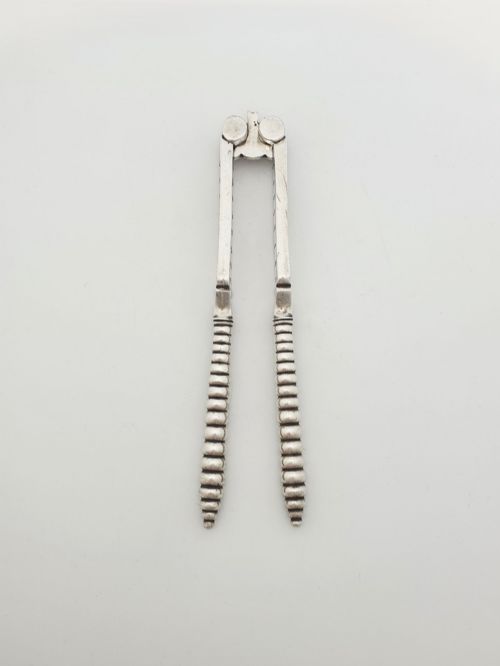
- A small support used to keep carving or dining knives elevated above the tablecloth between courses. They often feature materials such as silver plate and mother of pearl.
Frequently Asked Questions
What was a spoon warmer used for?
A spoon warmer held hot water to keep silver spoons warm during formal Victorian meals. Guests used them before partaking in course services.
These vessels take various ceramic and metal forms, sitting upon the dining sideboard or table as both a practical utility and a decorative ornament.
How do I care for silver plated tableware?
Silver plate requires gentle cleaning with non-abrasive cloths and dedicated silver polish to preserve the thin metal layer. Avoid harsh detergents that strip the surface.
Regular handling and careful storage prevent tarnish accumulation while maintaining the lustre of late nineteenth-century dining accessories.
What is cranberry glass?
Cranberry glass is a distinctive red glassware created through the introduction of gold into the molten glass mixture. Victorian artisans valued it for vibrant decorative tableware.
Bowl and glassware pieces from this era showcase the deep translucent colour characteristic of this specific manufacturing process.
How do I identify late Victorian items?
Late Victorian items date from roughly eighteen-ninety to nineteen hundred, showing stylistic influences of the period alongside specific manufacturer marks. Makers often stamped their names or trade symbols onto the base of ceramics and metalware.
Examination of materials such as silver plate, cut glass, and hand-painted porcelain helps confirm the production era alongside documented stylistic motifs.