




Solid Silver Cream Pitcher
A solid silver cream pitcher sits on the table to pour milk into tea, bringing bright metal and crisp forms to breakfast.
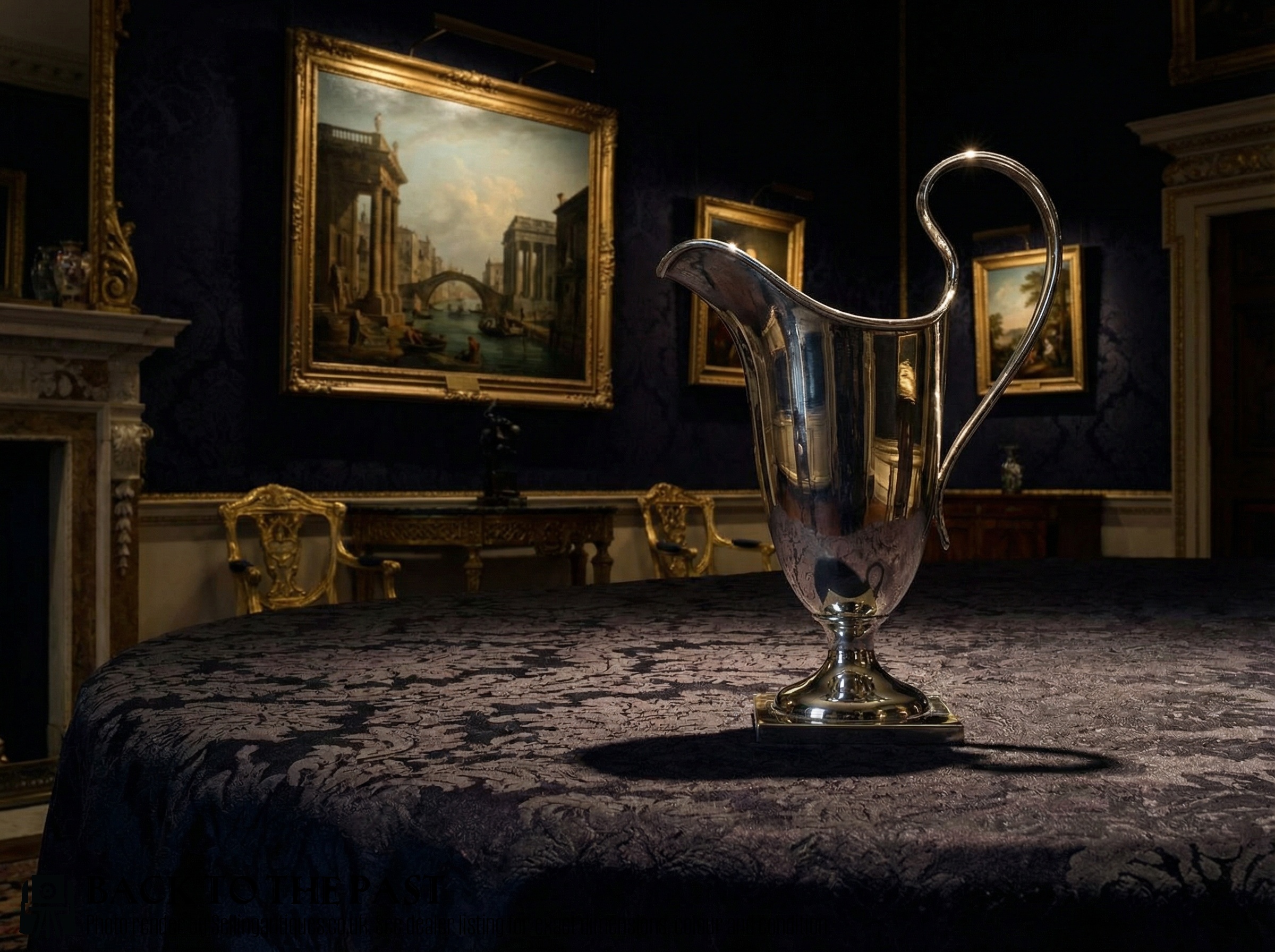
Solid Silver Cream Pitcher
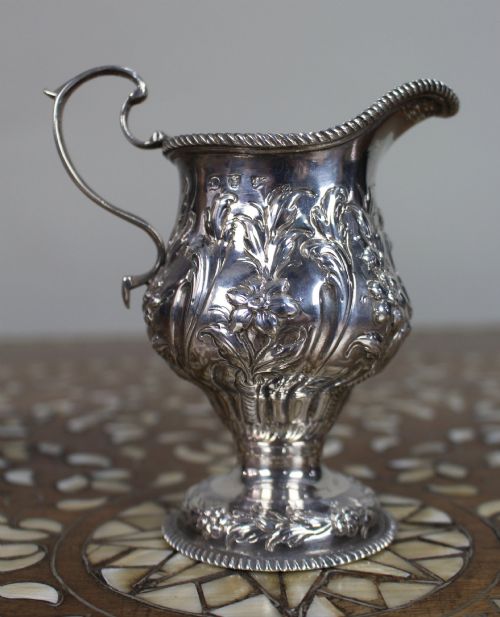
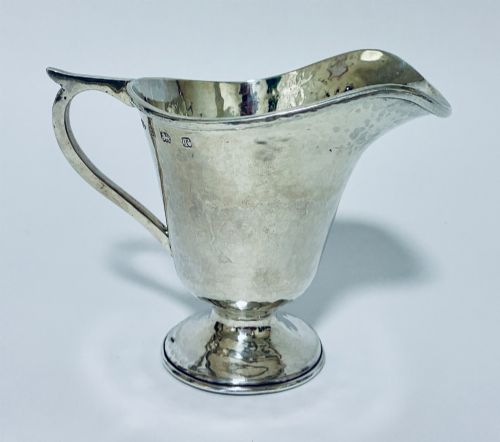
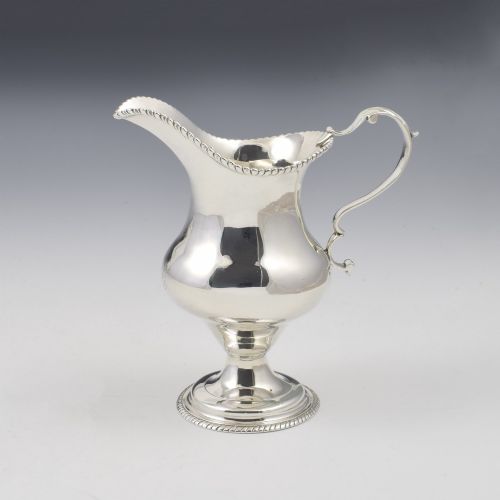
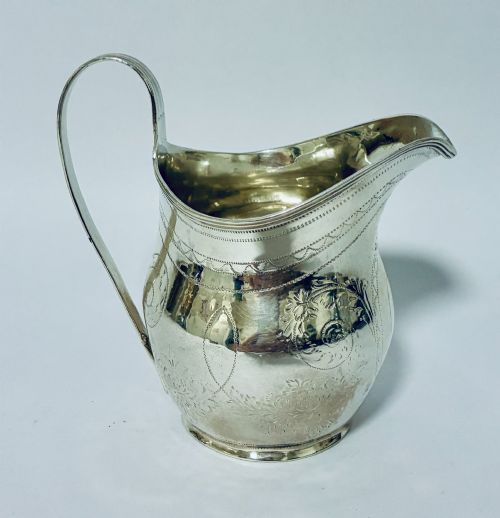
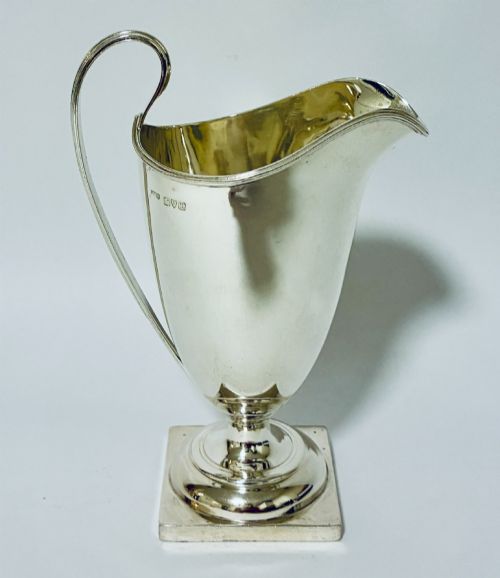
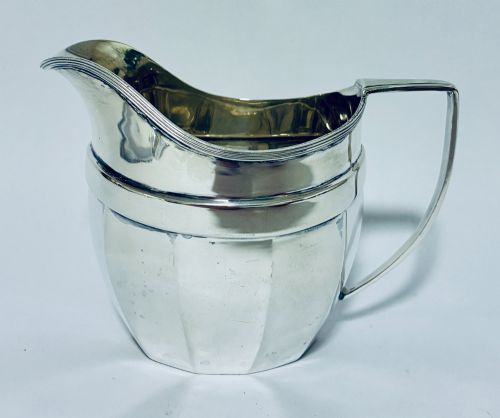
A solid silver cream pitcher takes the form of a small jug designed for milk or cream, appearing frequently in Georgian, Victorian, and later twentieth-century styles across these listings. Buyers seek out these vessels to add functional silver to a table setting or to collect distinct forms ranging from early sparrow beak jugs to later pedestal designs.
The selection on this page centres heavily on Georgian and Victorian examples, alongside George V and Arts and Crafts iterations. Makers worked in sterling silver and silver-gilt, shaping vessels that served as tea accessories in domestic spaces over successive centuries.
How they were made
Silversmiths formed these pitchers primarily from sterling silver, employing techniques such as hammering, raising, and casting to create bodies, handles, and feet. Certain examples incorporate a gold wash or gilt interior, known as silver-gilt, to protect the silver from the corrosive properties of dairy.
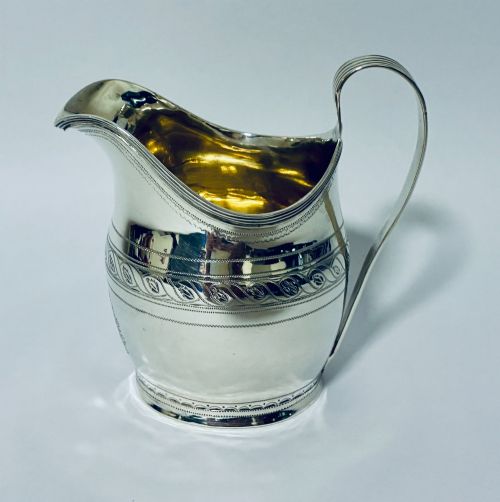
Decoration on these surfaces often involved bright-cut engraving, chasing, or maintaining plain polished walls that highlighted the quality of the metal. Handles were cast separately and soldered securely to the body alongside spouts designed for a clean pour.
What varies in quality
The calibre of a solid silver cream pitcher depends on the crispness of its original chasing, the balance of the handle, and the weight of the silver used in its construction. Substantial metal thickness and well-defined hallmarks stamped clearly into the silver elevate an example above lighter, more utilitarian pieces.
Design sophistication also distinguishes the range, where sculptural helmet forms or sparrow beak profiles demonstrate higher artistry than standard domestic milk jugs. Preserved gilding inside the bowl points to superior original manufacture and careful subsequent ownership.
Stalker & Mitchison·George Unite·Robert Pringle & Sons·Robert Hennel
The Solid Silver Cream Pitcher Glossary
- Sparrow beak
- A small eighteenth-century cream jug featuring a narrow, projecting spout reminiscent of a bird's beak. These early forms are particularly sought after by collectors of Georgian silver.
- Bright-cut
- An engraving technique using faceted V-shaped cuts that reflect light from different angles. It creates shimmering geometric or floral patterns popular on late eighteenth-century silver.
- Silver-gilt
- Silver objects that have been coated with a thin layer of gold on the surface. This technique was frequently applied to the interior of cream jugs to prevent tarnishing from milk.
- Hallmark
- A series of official marks stamped on precious metals indicating the standard of purity, the assay office, the maker, and the year of manufacture. They provide the primary evidence for dating antique silver.
- Pedestal
- A raised foot or base supporting the main body of the jug. Victorian silversmiths often utilised this form to give height and classical proportion to tea service vessels.
Solid Silver Cream Pitcher: Frequently Asked Questions
How do I clean a silver cream pitcher?
Wash the pitcher gently in warm water with mild washing-up liquid, then dry it thoroughly with a soft cloth to protect the metal finish.
Avoid abrasive dips or harsh scrubbing brushes that can wear away bright-cut engraving or thin gilding over time.
Can I use an antique cream pitcher daily?
Solid silver is durable enough for regular daily use on the breakfast or tea table, provided it is handled with care.
Ensure you rinse the interior promptly after holding dairy to prevent any residue from affecting the silver or interior gilt surface.
What is the difference between a milk jug and a cream jug?
Milk jugs were historically slightly larger to hold the greater quantity of milk added to family tea pots.
Cream jugs were typically smaller vessels intended to hold rich cream, though makers and cataloguers often used both terms interchangeably.
How do I identify the date of my silver jug?
Locate the hallmarks stamped on the base, rim, or handle, which typically include a date letter corresponding to specific assay office records.
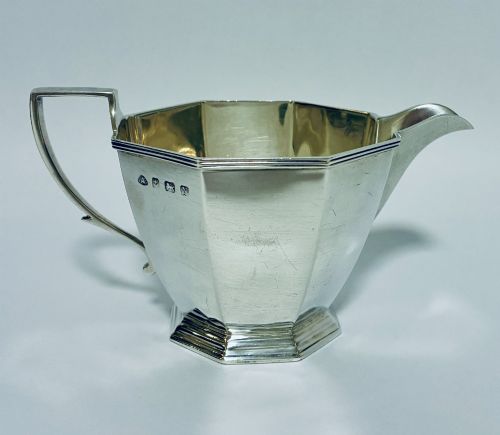
Matching the shape, such as an eighteenth-century helmet or a twentieth-century Art Deco line, helps confirm the stylistic period.