


Liberty and Co Silver
Liberty and co silver pieces represent the pinnacle of British design innovation during the early twentieth century, combining distinct craft aesthetics with precious metals and enamel.
Liberty and Co Silver
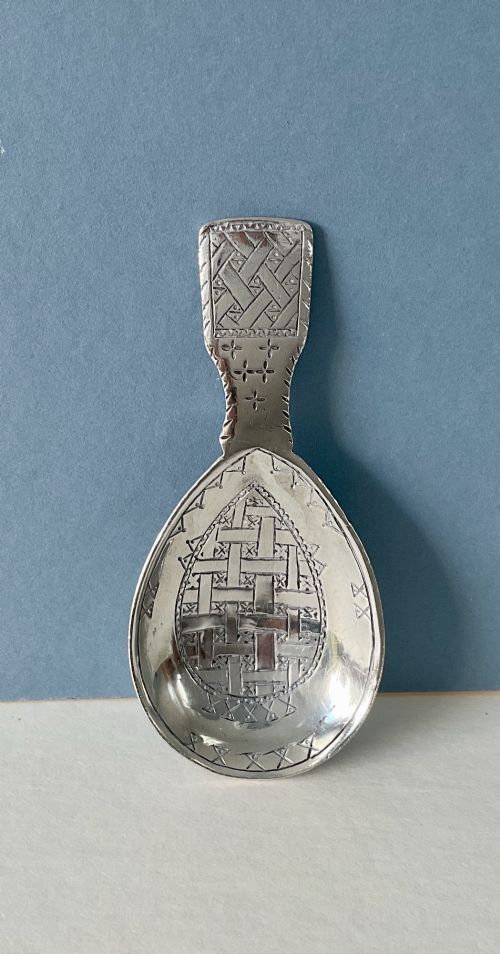
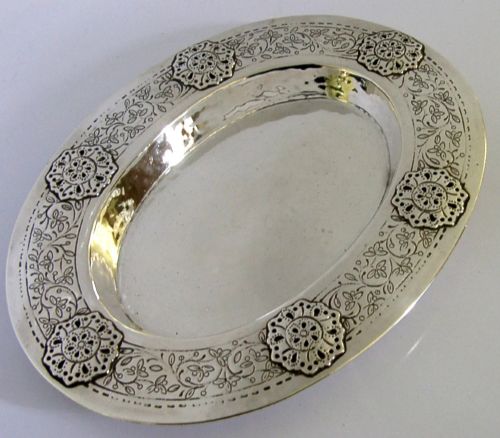
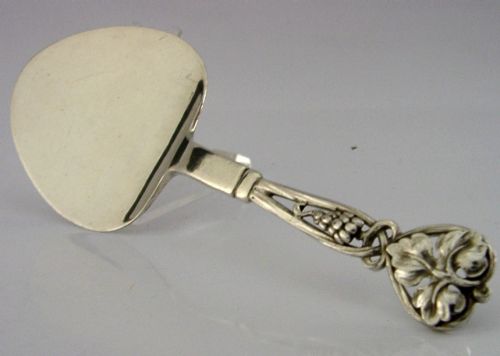
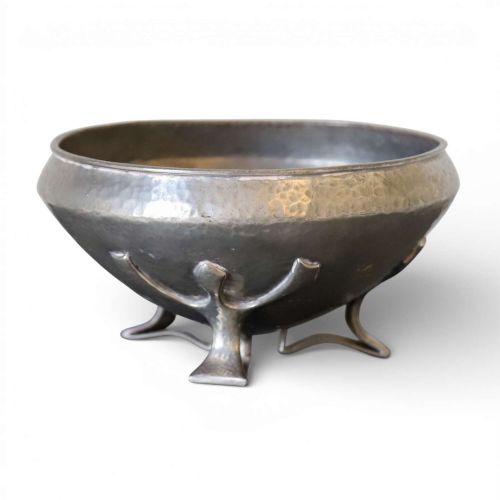
When you search for liberty and co silver, you encounter items shaped by the Arts and Crafts movement, Celtic Revival motifs, and later modernist directions. The pieces appearing most frequently range from small domestic items such as napkin rings and caddy spoons to pendant necklaces and decorative bowls.
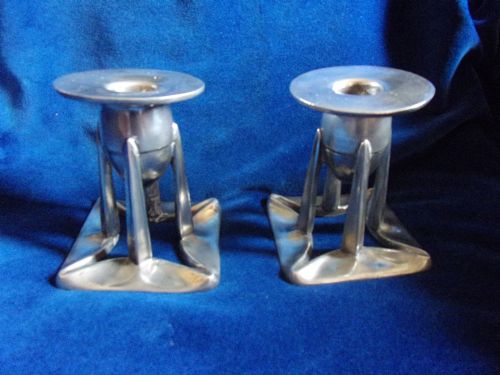
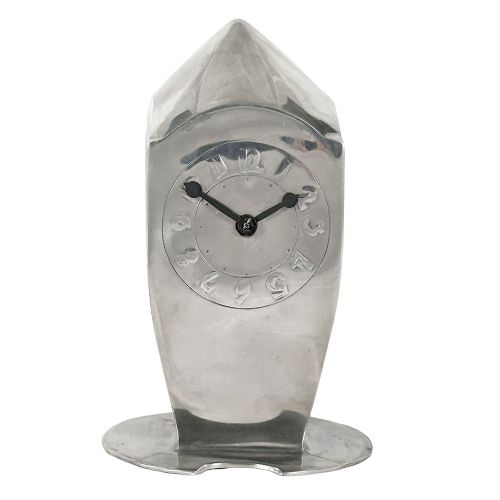
The catalogue spans several decades, with the bulk originating from the nineteen hundreds and the Edwardian era, extending into later twentieth-century production. Forms include candlesticks, mantel clocks, and menu holders alongside personal adornments like buckles and brooches.
Makers and designers working through this retail house produced utilitarian and ornamental goods that bridge industrial manufacturing and individual metalworking traditions. Buyers often find works stamped with specific model numbers or hallmarks detailing their assay origins in Birmingham.
Materials and Technique
Makers utilised sterling silver and pewter, often grouping the latter under the Tudric brand for specialised metalware lines. Hammered surfaces frequently define the tactile quality of bowls, dishes, and boxes.
Enamel work in blue and peacock tones sits alongside cabochon gemstones including chrysoprase, opal, moonstone, and turquoise, frequently secured within bezel settings. Plique-à-jour techniques appear in select pendant designs, allowing light through translucent cells of enamel without a backing.
Casting and hand-finishing allowed designers to integrate Celtic knotwork and stylized floral motifs into spoons, clocks, and tankards. Pewter models relied on alloy composition that accepted deep patination and held crisp relief details.
Liberty and Co Silver Retail Price Guide 2026
Typical asking prices for liberty and co silver among the pieces listed under this phrase on Sellingantiques today, from the lower quarter to the upper quarter. They describe what is for sale here now, not the wider market.
Distinctions in Quality
The division between standard production items and premier works rests on the depth of design authorship and the complexity of the materials combined. Pieces bearing documented associations with named designers command greater attention than uncredited workshop output.
The preservation of fragile elements like enamel and soft stones determines the standing of a survival. Complete sets of spoons or matched pairs of candlesticks retain higher integrity than dispersed single components.
Archibald Knox·Oliver Baker·David Veasey·Murrle Bennett·WH Haseler
The Liberty and Co Silver Glossary
- Cymric
- The trade name used by the retailer for its silver and enamel range launched at the turn of the twentieth century. This line drew heavily on Celtic Revival motifs and interlaced strapwork.
- Tudric
- The trade name applied to the pewter ware manufactured for the retailer, often associated with designs by leading figures of the period. These items offered an accessible alternative to solid silver.
- Plique-à-jour
- An enamelling technique where enamel is applied within a cellular framework without a backing metal, resembling miniature stained glass. It allows light to pass directly through the coloured glass paste.
- Cabochon
- A gemstone shaped and polished with a smooth convex surface rather than faceted edges. This cut highlights the natural grain and colour of stones like opal and chrysoprase.
- Quaiche
- A traditional Scottish two-handled drinking vessel used for sharing a toast. The retailer produced versions in both pewter and silver during the early twentieth century.
Liberty and Co Silver: Frequently Asked Questions
What is Tudric pewter?
Tudric is the trade name used for the line of pewter objects retailed during the early twentieth century, produced alongside silver goods.
These pieces utilised a specific alloy that allowed for detailed casting of Arts and Crafts and Celtic Revival motifs.
How do I spot an Archibald Knox design?
Knox designs typically feature characteristic Celtic interlacing, stylized botanical forms, and balanced geometric proportions.
Many of these items carry specific model numbers stamped into the base alongside retailer marks.
Were all items made of solid silver?
Production included a wide range of materials beyond sterling silver, notably pewter and copper.
Enamel, semi-precious stones, and shell inserts were frequently added to both silver and base metal foundations.
How should I clean antique enamel?
Enamel requires gentle handling because the glass paste can chip or crack under harsh treatment.
Warm water and a soft cloth suffice for surface dust, avoiding chemical dips that damage stones and metal patination.