


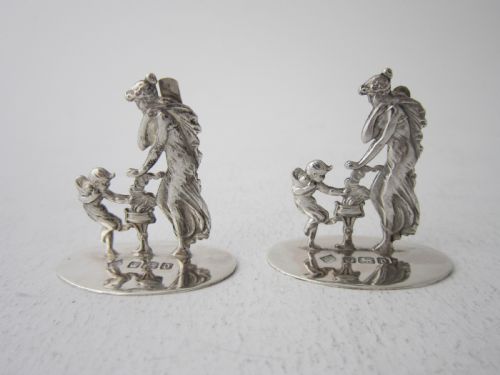

Edwardian Silver Menu Holders
Edwardian silver menu holders are tactile table ornaments designed to hold dinner cards, prized by collectors for their intricate novelty forms.
The Nature of Edwardian Silver Menu Holders
Edwardian silver menu holders occupy a charming niche in domestic dining history, serving both a practical and decorative purpose on formal tables. When you search for Edwardian silver menu holders, you encounter miniature sculptures cast and chased to stand securely beside each setting.
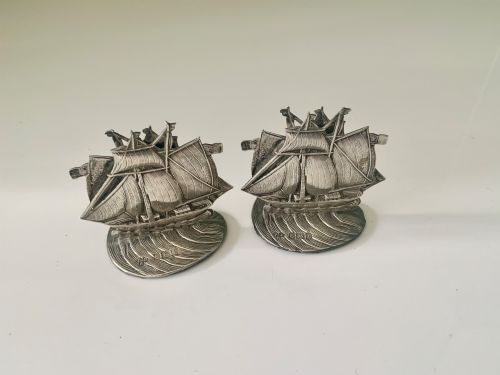
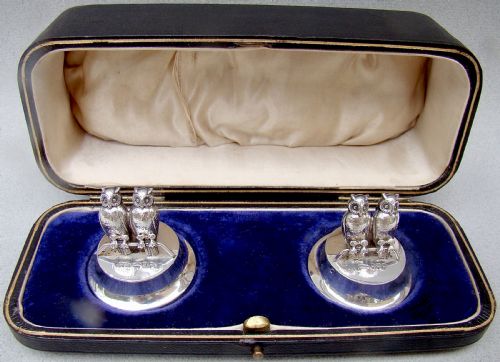
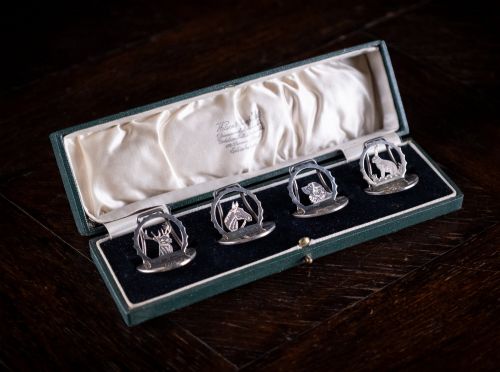
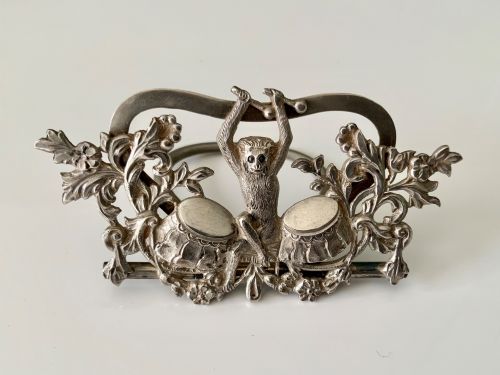
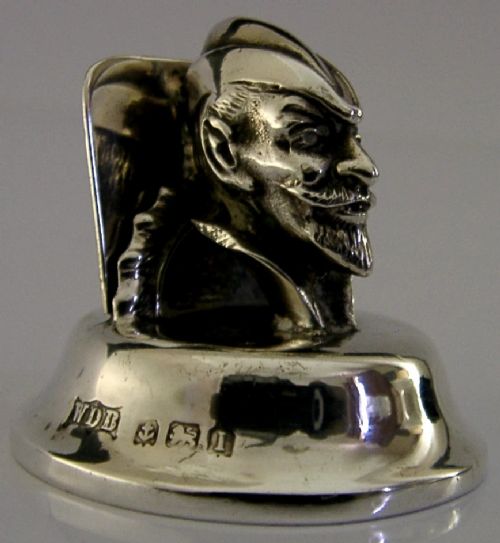
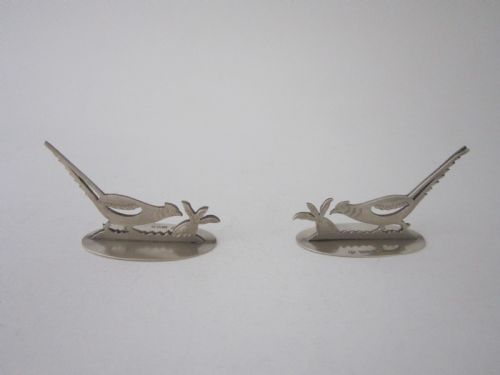
The common form on this page is the pair or set, often configured as animals, birds, or nautical motifs. These pieces reflect the playful and ornate tastes of the early twentieth century, spanning standard Edwardian production as well as distinct styles like Arts and Crafts and Celtic Revival.
Materials and Craftsmanship
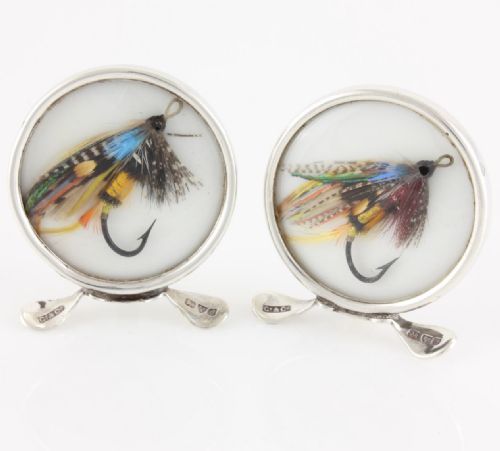
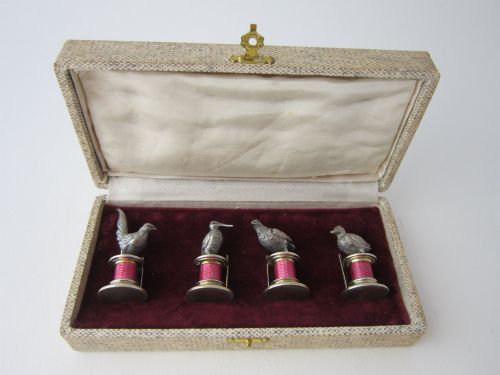
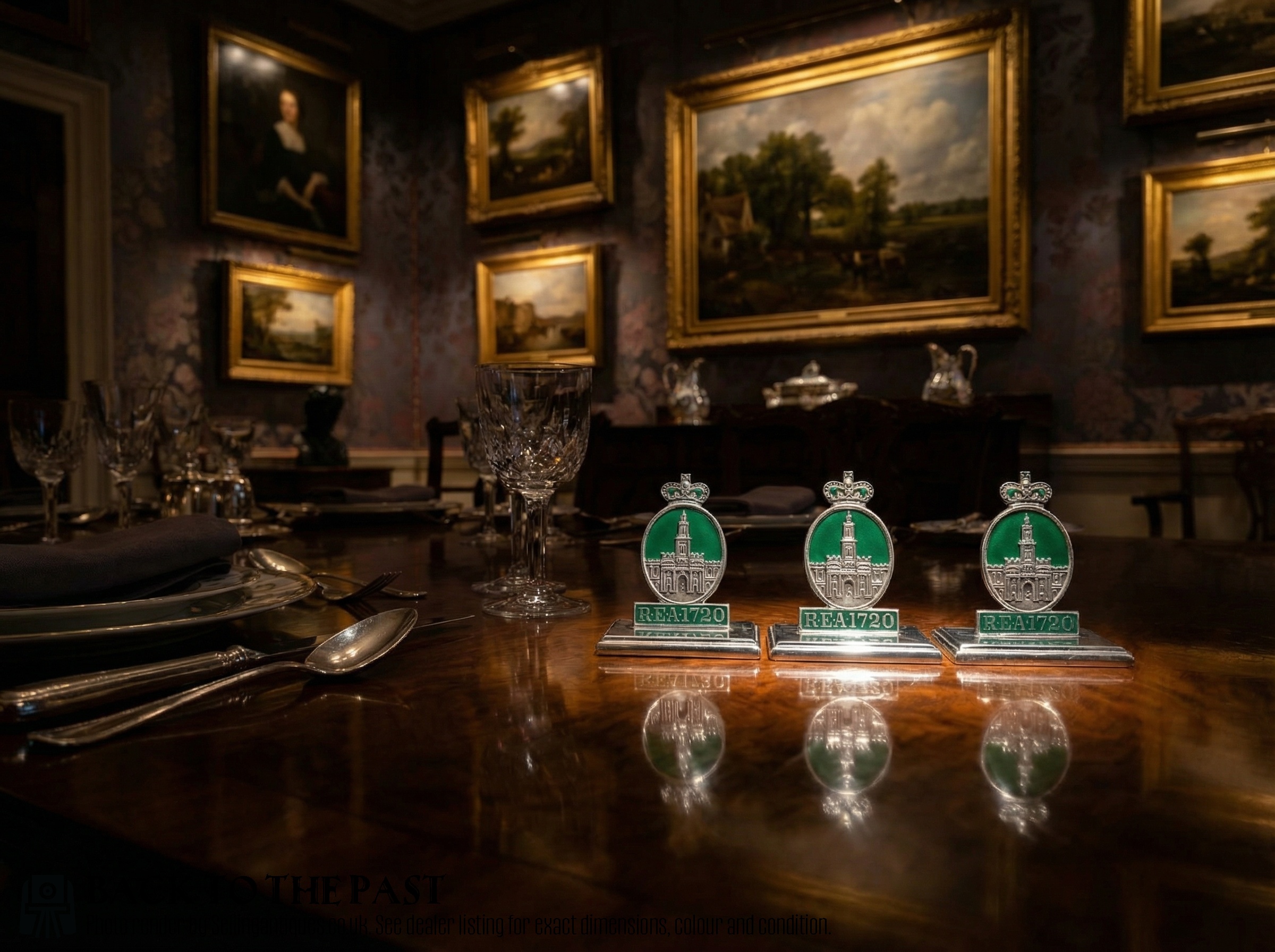
Makers primarily utilised sterling silver, frequently enhancing pieces with gilding, enamel, or guilloche enamel. Supporting elements like velvet, silk, leather, and glass appear in fitted presentation cases or backing components.
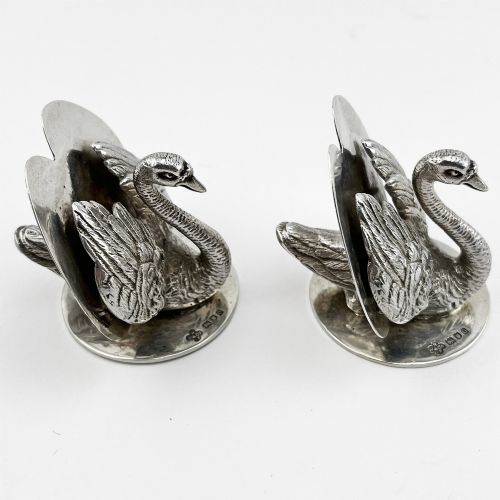
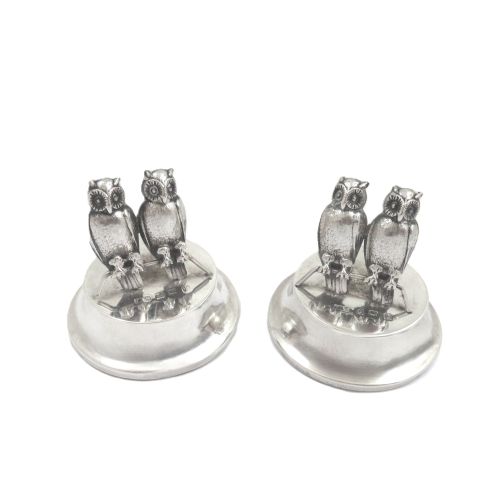
Techniques combine traditional silversmithing with fine casting, allowing for detailed figural work such as feathers on owls or plumage on swans. Makers applied translucent enamels over engine-turned metal bases to introduce vibrant colour to the miniature designs.
Retail Price Guide 2026
Typical UK retail prices for edwardian silver menu holders, calculated from the Sellingantiques database of over a million retail prices indexed since 2003. This retail price guide relies exclusively on Sellingantiques data; no external sources or auction records are used, so the figures do not describe the wider market.
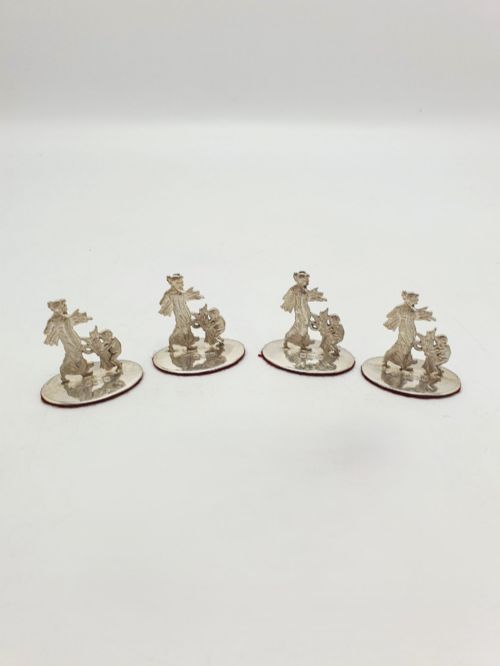
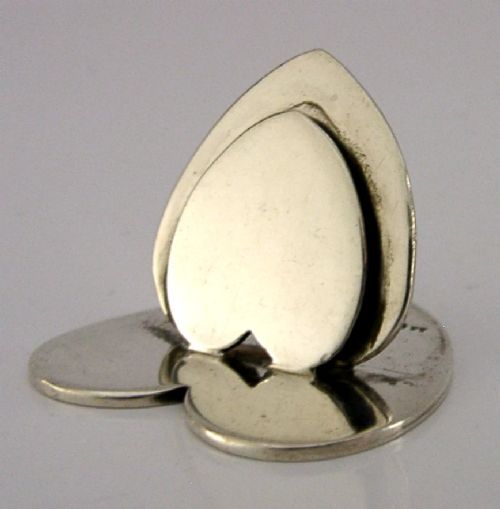
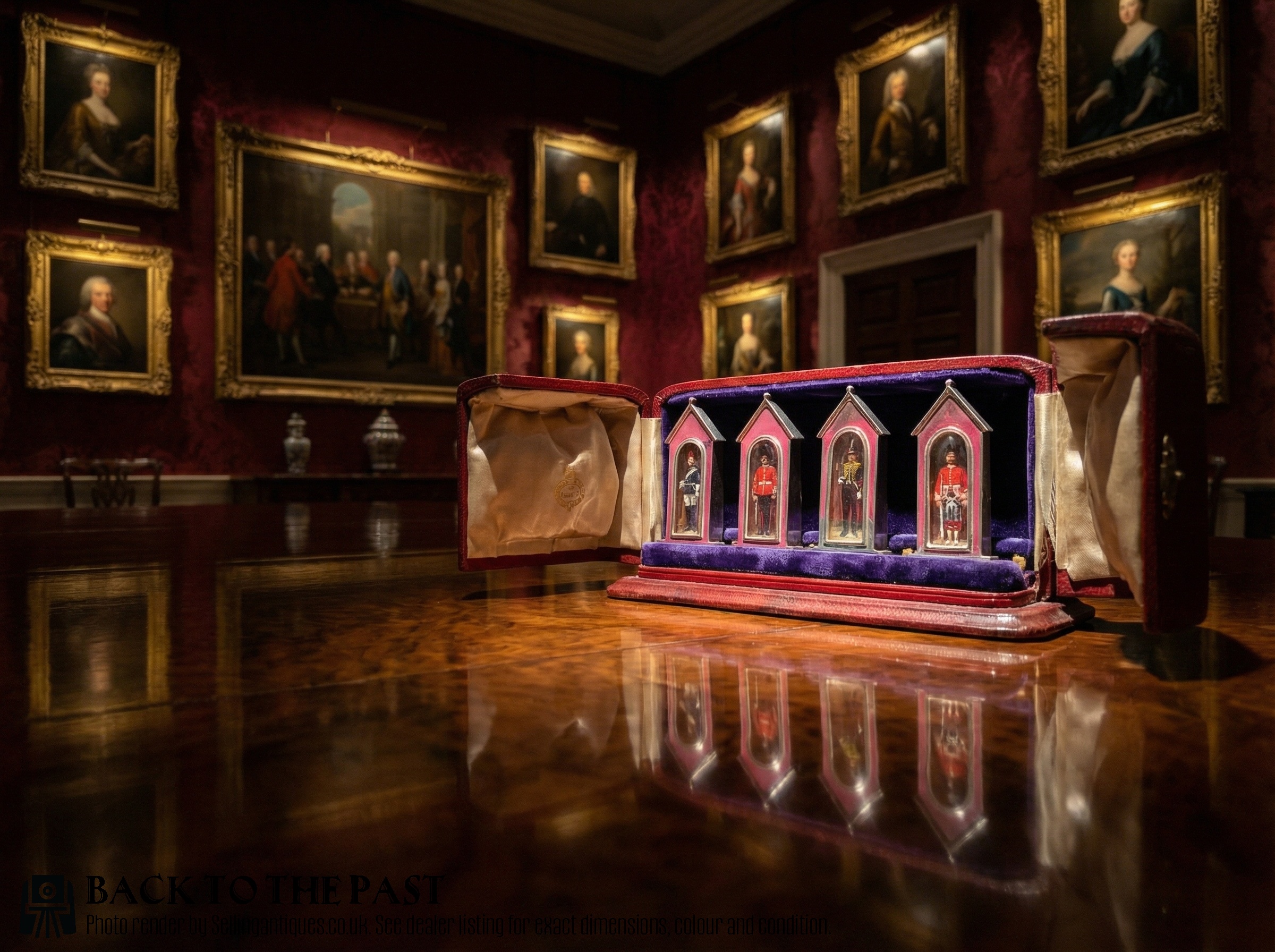
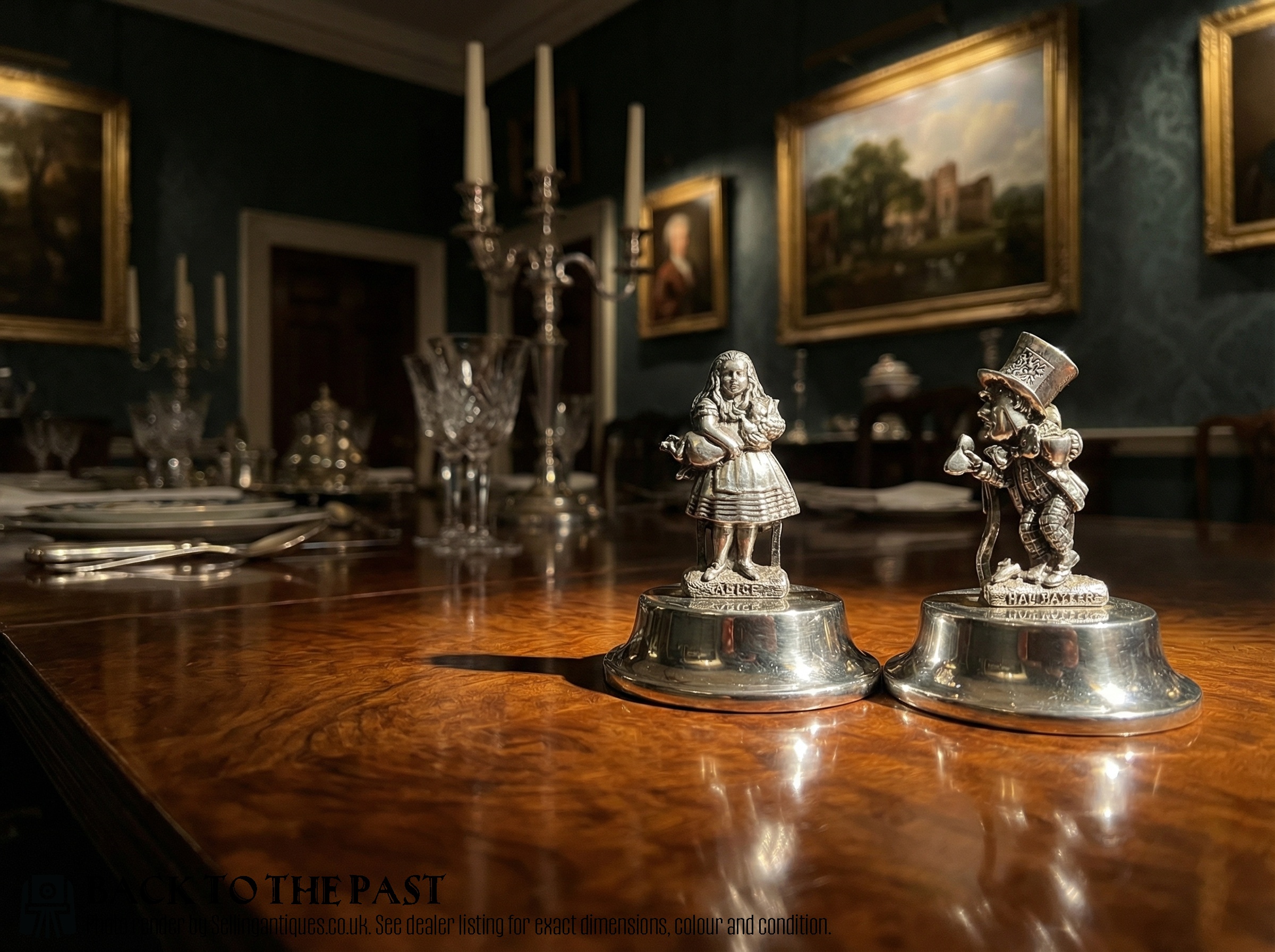
Dinners of the era featured menu holders shaped as sentry boxes, wishbones, and characters from Alice in Wonderland.
Distinctions in Quality
The standard of modelling separates the finest examples from standard production, particularly in figural subjects like birds, animals, and novelty characters. Crisp casting lines, detailed chasing, and the integration of polychrome enamel elevate the visual impact of a set.
Completeness also dictates standing, as matched pairs and larger boxed sets carry greater distinction than assembled or solitary survivors. The inclusion of crisp hallmarks and specialised retail provenance further distinguishes the upper tier of the market.
Sampson Mordan·Grey & Co·Liberty
The Edwardian Silver Menu Holders Glossary
- Sterling silver
- A silver alloy containing 92.5 percent pure silver and 7.5 percent other metals, usually copper, ensuring durability for detailed domestic items.
- Guilloche enamel
- A decorative technique where enamel is applied over a metal surface that has been mechanically engraved with an intricate repeating pattern.
- Silver gilt
- Sterling silver that has been coated with a thin layer of gold on its surface, creating a rich two-tone or fully golden appearance.
- Novelty
- A collectible item shaped in a humorous, unusual, or recognizable figurative design rather than a standard geometric or classical form.
- Place card holder
- A small table accessory designed to display a guest's name card, frequently interchangeable in function with menu holders from the same period.
Frequently Asked Questions
How were menu holders used at dinner parties?
Hostesses placed them at intervals along the dining table so guests could easily read the courses planned for the meal.
They often formed part of a matched suite that included place card holders, adding a coordinated decorative element to elaborate Edwardian table settings.
Are these pieces usually found as pairs or sets?
Many survive as pairs, which reflects how they were frequently purchased and deployed symmetrically at opposite ends of a dining table.
Larger sets of three, four, six, or eight also exist, sometimes housed within their original fitted presentation boxes lined with silk or velvet.
How do I identify the period of a menu holder?
Dating relies heavily on legible silver hallmarks stamped onto the metal, which indicate the assay office, standard of silver, and specific year of production.
The stylistic cues, such as the characteristic Edwardian aesthetic or distinct Arts and Crafts influences, further support the period attribution.