


Vintage Drinks Platter
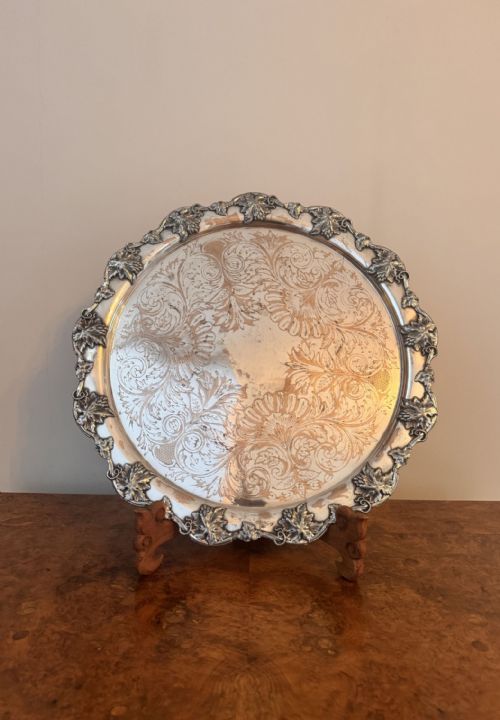
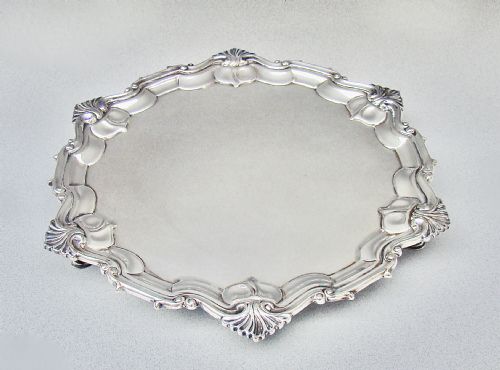
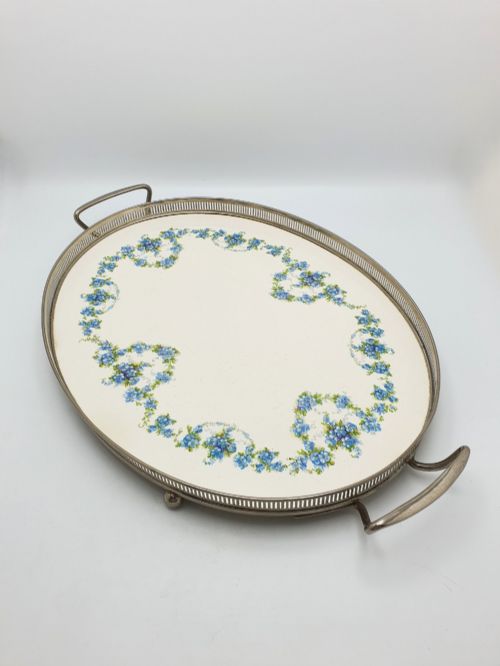
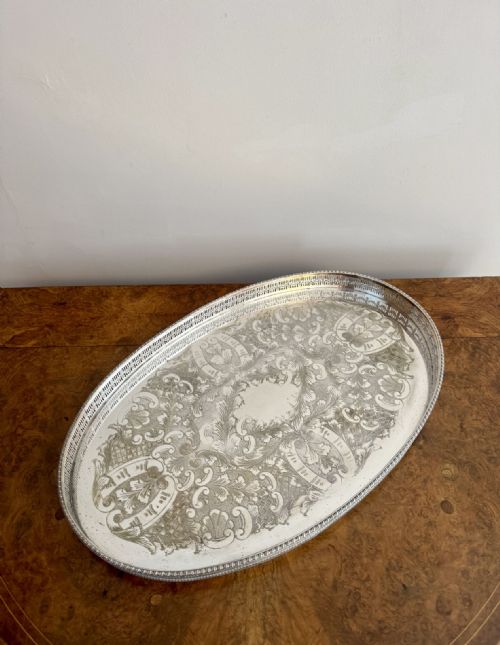
These vintage drinks platter options range from Edwardian silver plate to Art Deco cocktail servers, built to carry glassware in style.
Vintage Drinks Platter
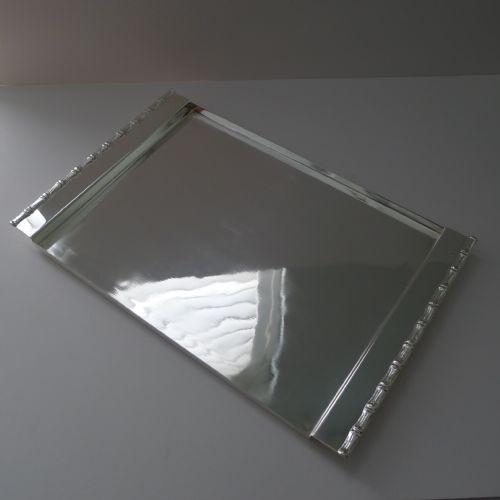
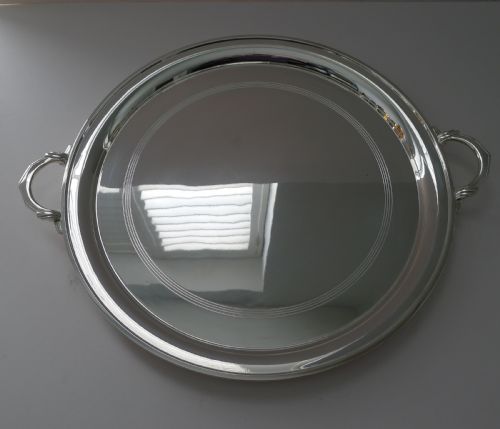
A vintage drinks platter serves as a functional centrepiece for holding decanters, glasses, and cocktail shakers during gatherings. The pieces gathered here span from nineteenth-century timber butler trays to mid-century silver-plated cocktail servers.
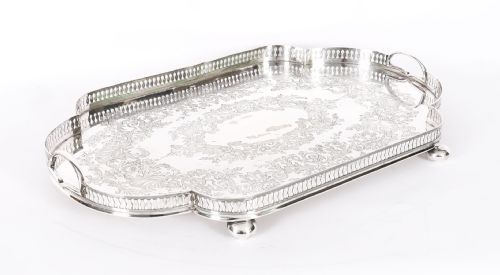
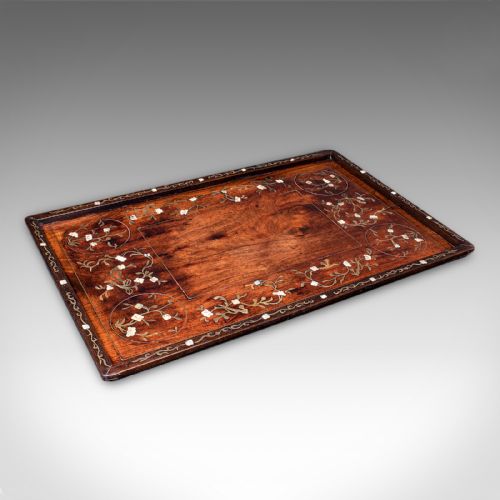
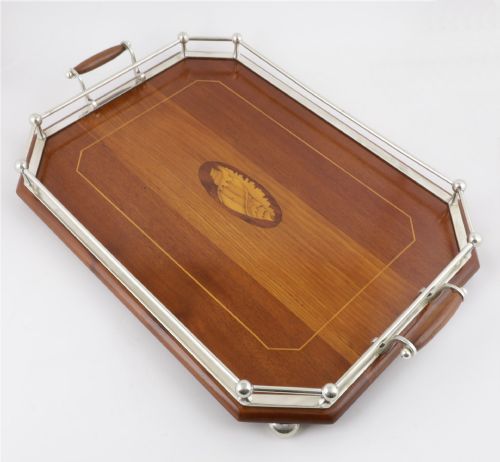
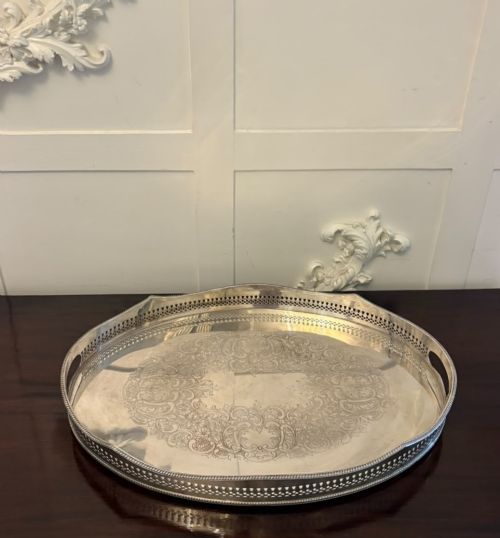
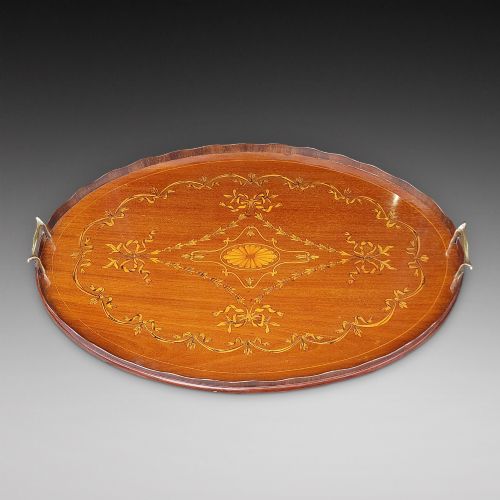
Most examples hail from the Edwardian and Art Deco eras, reflecting a historical shift towards domestic entertaining. Buyers will encounter wooden variants featuring marquetry and inlay alongside heavily pierced silver-plated gallery designs.
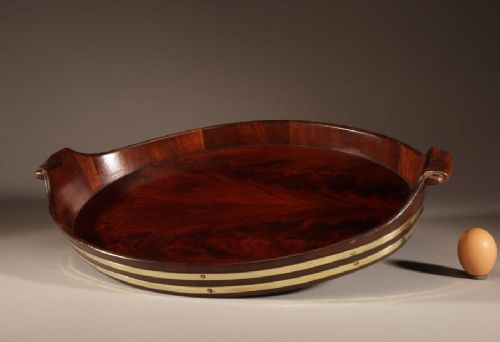
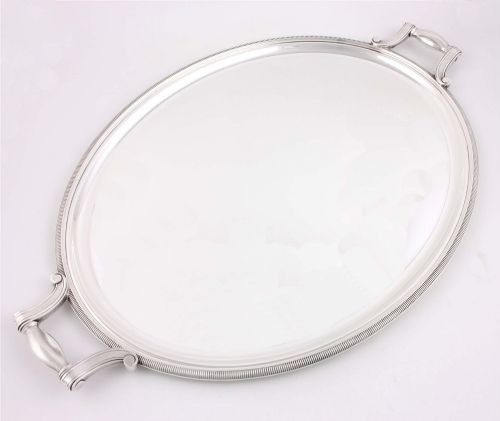
Forms vary from simple oval and circular platters to octagonal shapes and kidney-shaped serving boards. Many incorporate integrated handles, raised galleries, or brass mountings designed to keep glassware secure in transit.
How They Were Made
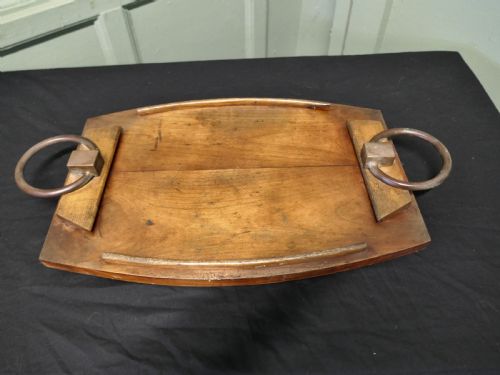
Makers utilised solid timbers like mahogany, teak, and satinwood, frequently applying decorative veneers, marquetry, and shell inlay to wooden surfaces. Coopered construction techniques appear in circular trays, binding wooden staves with brass or metal bands.
Metal versions rely on silver plate, electroplated nickel silver, brass, copper, and pewter over a base metal core. Artisans decorated these metallic surfaces through chasing, embossing scrolls, engraving intricate borders, and piercing raised gallery rims.
Materials in this selection include mahogany, brass, copper, pewter, and various forms of silver plate.
What Varies in Quality
Craftsmanship shows in the crispness of chased metalwork and the precision of wooden joinery and inlay. Superior examples display substantial weight, balanced proportions, and secure handle attachments that withstand heavy loads.
The choice of base materials and plating thickness dictates durability, particularly where silver plate meets daily wear. Finer items exhibit deliberate artistry in border motifs, handles, and engraved central cartouches.
Keith Murray For Mappin & Webb·James Deakin·William Hutton & Sons·Mappin & Webb·Christofle·Liberty & Co
The Vintage Drinks Platter Glossary
- Gallery tray
- A tray featuring a raised pierced or solid metal border designed to prevent items from sliding off the edge. These rims are often pierced with geometric or scroll patterns.
- EPNS
- Electroplated Nickel Silver, a composite material where a thin layer of pure silver is deposited onto a base metal alloy of copper, nickel, and zinc.
- Coopered
- A method of construction using shaped wooden staves fitted tightly together, akin to barrel-making, often bound with brass or metal hoops.
- Marquetry
- The art of applying decorative veneer pieces of various woods to a structure to form intricate ornamental patterns or pictures.
- Salver
- A flat metal plate or tray traditionally used for presenting drinks, visiting cards, or serving food.
Vintage Drinks Platter: Frequently Asked Questions
How do I clean a silver plated drinks tray?
Use a soft cloth and a specialised silver polish designed for plated items to remove tarnish gently. Avoid abrasive pads that can strip the thin silver layer.
Wash wooden trays with a damp cloth and dry them immediately to protect the finish and any inlaid veneer work.
Can I use these vintage trays for daily serving?
Most solid metal and timber trays are sturdy enough for regular use carrying glassware and bottles. Care should be taken with delicate glass inserts or antique wooden surfaces.
Heavily silver-plated and gallery styles function well during hosting, provided they are lifted by their handles rather than strained.
What is the difference between a tray and a salver?
A salver generally refers to a flat, circular metal platter traditionally raised on a small foot. Trays tend to be flatter, often feature handles, and are made from a wider variety of materials including wood.
Both serve similar purposes in presenting drinks, though salvers historically carried formal connotations.
How do I date an Edwardian drinks tray?
Look for hallmarks on metal pieces, maker signatures, or registration numbers that correspond to early twentieth-century manufacturing. Style cues like Edwardian satinwood inlay provide strong period indicators.
Construction methods, such as machine-rolled plate versus hand-hammered pewter, help confirm the decade of origin.